
Understanding Liability in California Bus Accidents
Whether you've been injured in an accident, are dealing with a personal injury claim, or facing another legal issue, Mendez & Sanchez APC is here to fight for you. Contact us today for a free, no-obligation consultation.
Call Us Now
Bus accidents can be traumatic experiences for all involved, and understanding who is liable can be crucial in determining who should compensate the victims for their injuries or damages. Liability in bus accidents can be complex, as there may be multiple parties involved, including the driver, the bus company, or a third party. In this article, we will explore the legal principles that determine liability in bus accidents and the types of damages that may be available to victims.
Table of Contents
- Liability in Bus Accidents
- Who is Responsible?
- Determining Liability
- Types of Damages
- Conclusion
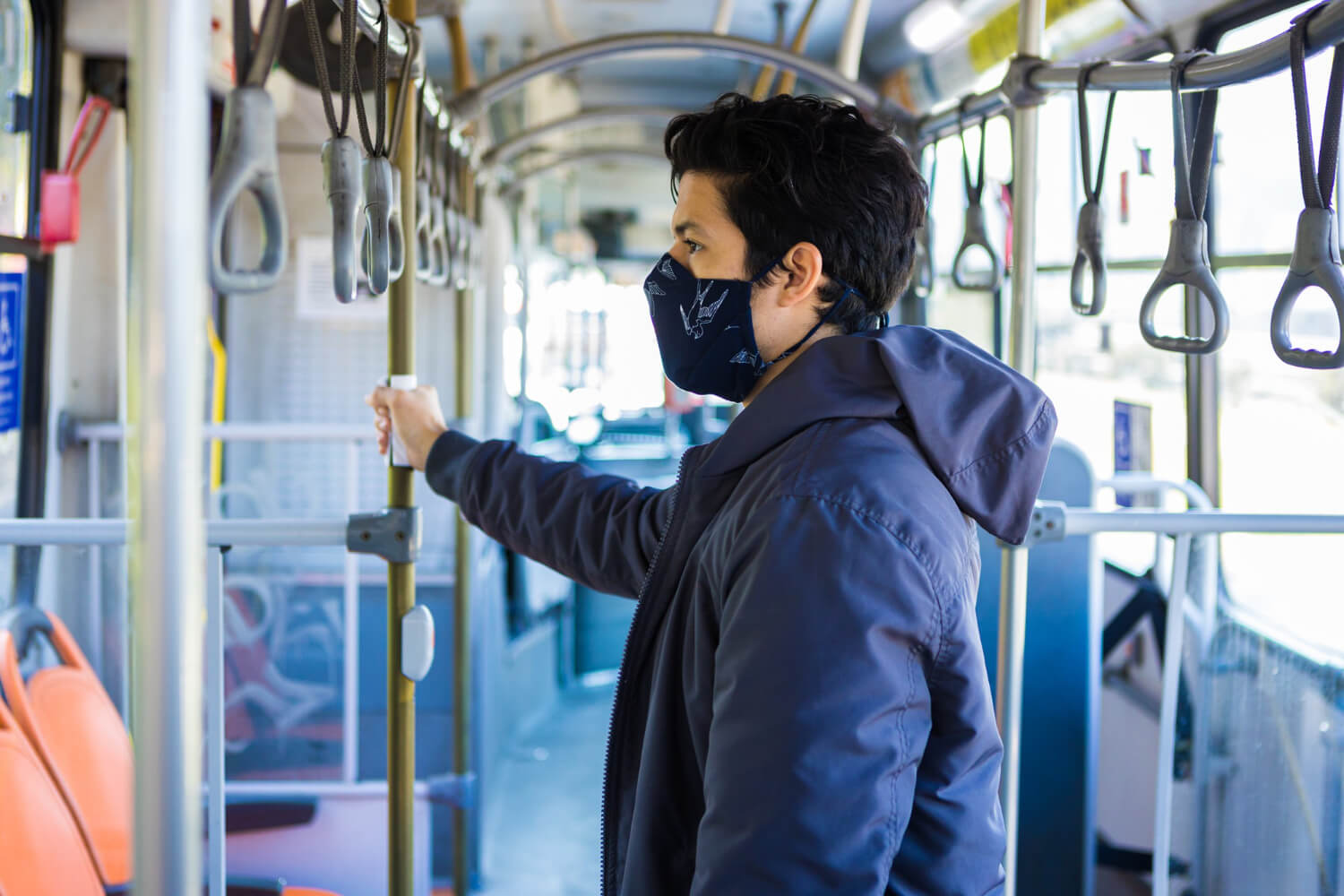
Liability in Bus Accidents
In general, liability in bus accidents is determined by the legal concept of negligence. Negligence is defined as the failure to take reasonable care to prevent harm to others. To prove negligence in a bus accident case, the victim must demonstrate that the driver, bus company, or third party acted in a way that was unreasonable and that this behavior caused the accident and the resulting harm.
Who is Responsible?
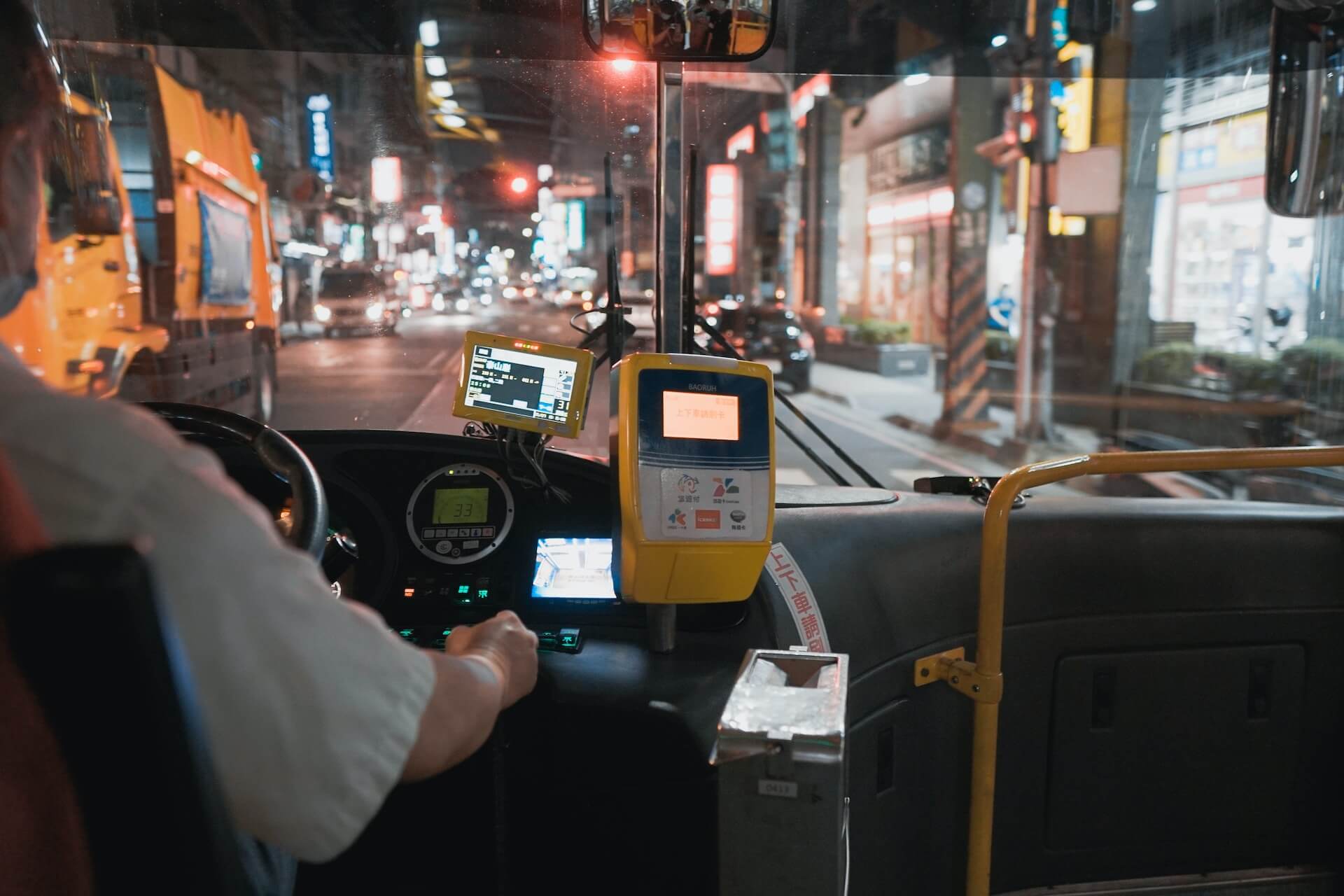
1. Driver Liability
One common factor in bus accidents is driver error. Bus drivers have a responsibility to operate the vehicle safely and to follow traffic laws. If a driver fails to do so and causes an accident, they may be liable for any resulting injuries or damages. Examples of driver negligence that may lead to liability include distracted driving, speeding, failing to signal or yield, or driving under the influence of drugs or alcohol.
2. Bus Company Liability
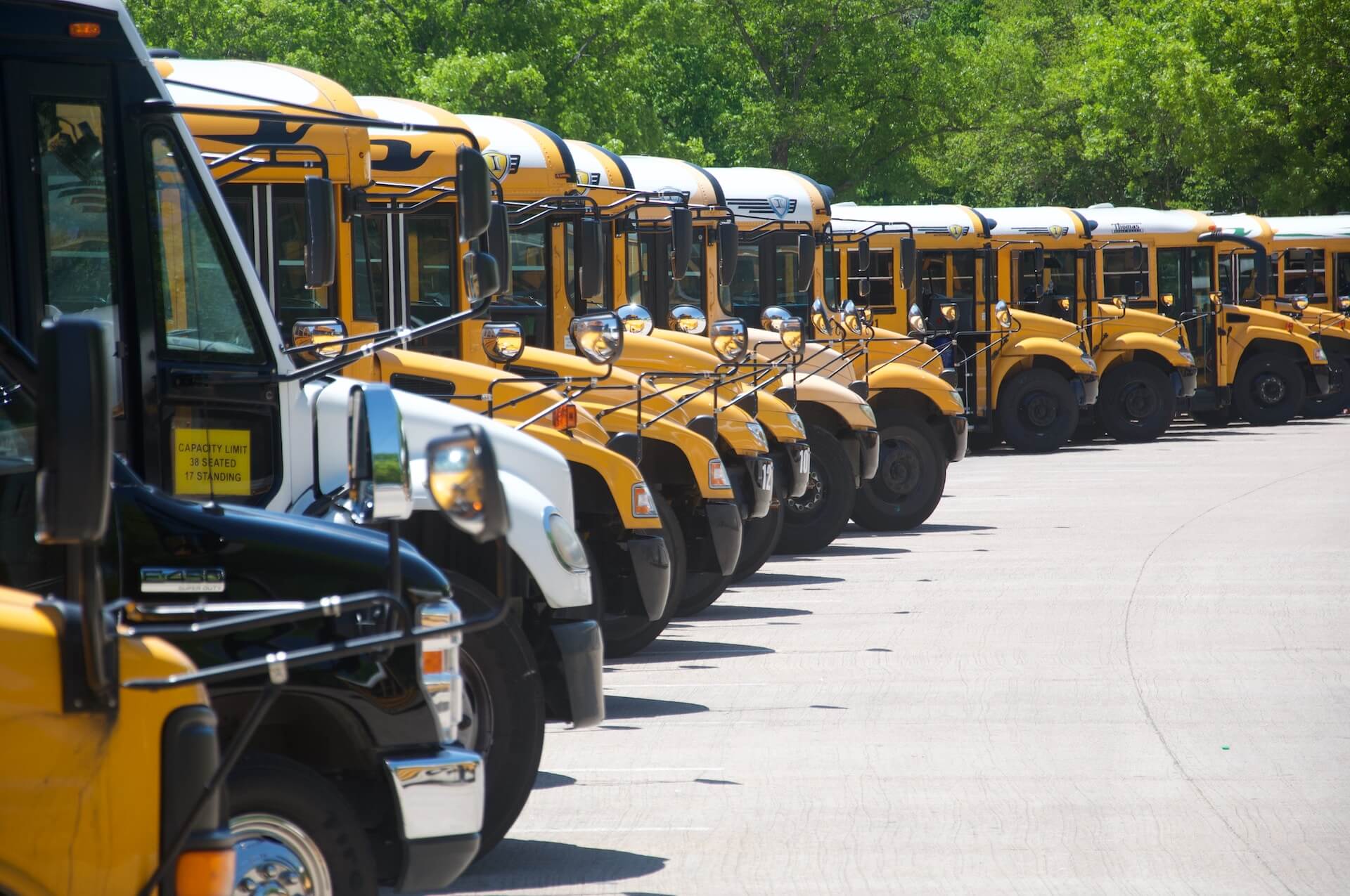
Bus companies are also responsible for ensuring that their drivers operate their vehicles safely. If a bus company fails to maintain its buses or provides inadequate training for its drivers, the company may be held liable for any resulting injuries or damages. For example, if a bus company fails to repair a known mechanical issue, such as faulty brakes or worn tires, and an accident occurs as a result, the company may be liable for any resulting harm.
3. Third-Party Liability
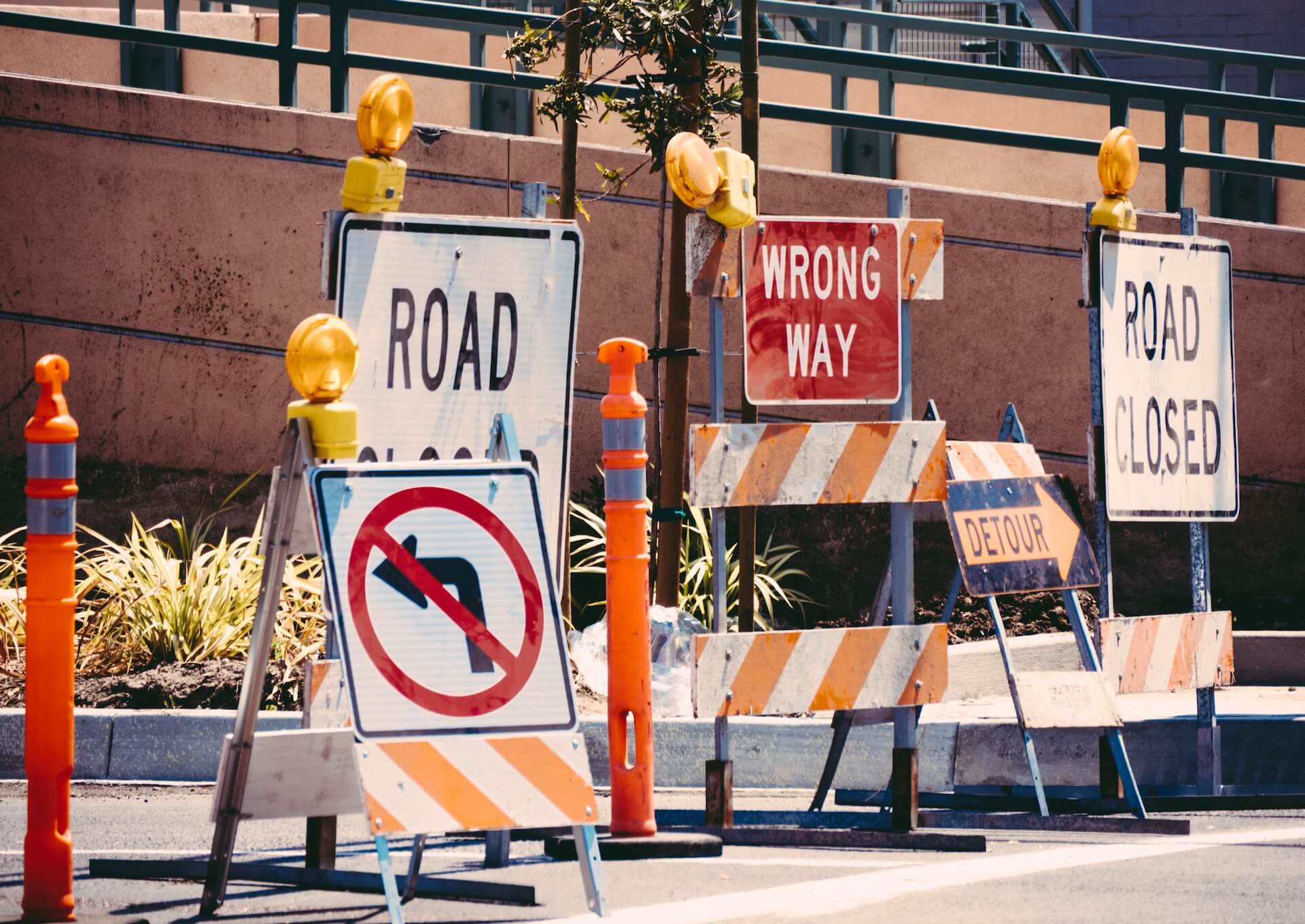
In some cases, a third party may be liable for a bus accident. For example, if a road construction crew creates unsafe driving conditions that lead to an accident, the construction company may be held liable for any resulting injuries or damages. Similarly, if a defective part in the bus, such as a faulty brake, was manufactured by a third party, the manufacturer may be held liable for any resulting harm.
Determining Liability
Determining liability in a bus accident can be a complex process, as there may be multiple parties involved. To establish liability, the victim must demonstrate that the responsible party acted negligently and that this behavior caused the accident and resulting harm. This typically involves gathering evidence, such as witness statements, accident reports, and medical records, and presenting this evidence in court.
Types of Damages

If a victim is successful in proving liability, they may be entitled to compensation for their injuries and damages. The types of damages available may vary depending on the circumstances of the case and the laws in the jurisdiction where the accident occurred. Some common types of damages that may be available to victims of bus accidents include:
1. Medical expenses: Victims may be entitled to compensation for the cost of medical treatment related to the accident, including hospitalization, surgery, and rehabilitation.
2. Lost wages: If the victim is unable to work due to their injuries, they may be entitled to compensation for lost wages.
3. Pain and suffering: Victims may be entitled to compensation for physical and emotional pain and suffering caused by the accident.
4. Property damage: If the victim's property, such as their car or personal belongings, was damaged in the accident, they may be entitled to compensation for the cost of repairs or replacement.
5. Punitive damages: In some cases, the court may award punitive damages, which are intended to punish the responsible party for their negligent behavior.
In California, victims of bus accidents may be entitled to various types of damages depending on the circumstances of their case. These damages can include both economic and non-economic losses.
Economic damages refer to the financial losses incurred by the victim as a result of the accident. This may include medical expenses, property damage, and lost wages. In California, there is no cap on economic damages, meaning that victims can recover the full amount of their economic losses.
Non-economic damages refer to losses that are not financial in nature, such as pain and suffering, emotional distress, and loss of enjoyment of life. In California, there is a cap on non-economic damages in most personal injury cases, including bus accidents it's important to note that the cap on non-economic damages can also vary depending on the type of case. For example, if the bus accident was caused by a government agency or employee, such as a city bus driver, the maximum non-economic damages that can be awarded may be limited by law.
In California, the maximum non-economic damages that can be awarded against a government agency or employee in a personal injury case is currently $410,000 as of 2021. This cap applies to all personal injury cases involving government agencies or employees, including bus accidents.
It's also worth noting that the cap on non-economic damages in California is subject to periodic adjustments for inflation. This means that the maximum amount of damages that can be awarded in a bus accident case may increase over time.
However, it's important to remember that economic damages, such as medical expenses and lost wages, are not subject to the same caps as non-economic damages in California. This means that victims of bus accidents may be able to recover the full amount of their economic losses, regardless of any caps on non-economic damages.
Overall, the specific damages that may be available in a bus accident case, and the caps that may apply, can be complex and will depend on the unique circumstances of each case. It's important to consult with an experienced personal injury attorney in California to understand your rights and options for seeking compensation for your injuries and damages.
In addition to economic and non-economic damages, California also recognizes the concept of punitive damages. These damages are intended to punish the responsible party for their willful or intentional misconduct, or for conduct that was especially egregious. Punitive damages are only awarded in cases where the responsible party's conduct was particularly reprehensible and must be proven by clear and convincing evidence.
Overall, it is important for victims of bus accidents to seek legal advice from an experienced personal injury attorney in California to ensure that they are able to recover the full extent of damages to which they may be entitled. An attorney can provide guidance on what types of damages may be available and help victims navigate the complex legal process of pursuing compensation for their injuries and damages.
Conclusion
It is important for victims of bus accidents to seek legal advice from an experienced personal injury attorney who can help them navigate the complex process of determining liability and seeking compensation. An attorney can provide guidance on what types of damages may be available, how to gather evidence to support their case, and how to negotiate a settlement with the responsible party. In addition to seeking legal advice, there are steps that victims can take immediately following a bus accident to protect their rights and improve their chances of obtaining compensation. These include:
1. Seeking medical attention: Even if injuries seem minor, it is important to seek medical attention as soon as possible after an accident. Some injuries may not be immediately apparent, and delaying treatment can worsen the condition and make it harder to prove that the injuries were caused by the accident.
2. Collecting evidence: Victims should gather as much evidence as possible at the scene of the accident, including taking photographs of the vehicles and the scene, getting contact information from witnesses, and obtaining a copy of the police report.
3. Reporting the accident: Victims should report the accident to the police and the bus company as soon as possible after the accident. Failing to report the accident promptly can make it harder to prove liability and obtain compensation.
4. Consulting with an attorney: Victims should consult with an experienced personal injury attorney as soon as possible after the accident. An attorney can help protect the victim's rights and provide guidance on what steps to take to obtain compensation.
Understanding liability in bus accidents is essential for victims seeking compensation for their injuries or damages. Liability is typically determined by the legal concept of negligence, and may involve multiple parties, including the driver, bus company, or a third party. To establish liability, the victim must demonstrate that the responsible party acted negligently, and that this behavior caused the accident and resulting harm. If a victim is successful in proving liability, they may be entitled to compensation for their injuries and damages, such as medical expenses, lost wages, pain and suffering, property damage, and in some cases, punitive damages.
Credits: Main Image by Freepik
Frequently Asked Questions
How long do I have to file a lawsuit after a bus accident in California?
In California, the general statute of limitations for personal injury claims is two years from the date of the accident under California Code of Civil Procedure Section 335.1. However, if the bus was operated by a government agency — such as LA Metro, BART, or a city transit authority — you must file a government tort claim within just six months of the incident under the California Government Claims Act (Government Code Section 911.2). Missing either of these deadlines can permanently bar you from recovering any compensation, so it's critical to act quickly and consult an attorney as soon as possible.
What's the difference between suing a private bus company vs. a government-owned bus in California?
When a private bus company is involved, you file a standard personal injury lawsuit and generally have two years to do so under CCP Section 335.1. When the bus is government-operated — such as a Muni bus in San Francisco or an Omnitrans bus in San Bernardino County — you must first file an administrative tort claim with the responsible public entity within six months under Government Code Section 911.2 before you can sue. If the government agency rejects your claim or ignores it for 45 days, you then have six months from that rejection to file in court. The rules are stricter and the process is more technical, which is why having an experienced attorney early on can make a decisive difference.
Can I still get compensation if I was partly at fault for the bus accident?
Yes — California follows a pure comparative negligence rule under Civil Code Section 1714, which means you can recover compensation even if you were partially at fault for the accident. Your total damages award is simply reduced by your percentage of fault, so if a jury determines you were 30% responsible, you would still recover 70% of your total damages. This is more generous than many other states that bar recovery if you are more than 50% at fault, so don't assume shared fault means you have no case.
What evidence should I collect at the scene of a bus accident to protect my claim?
At the scene, try to photograph the bus number, license plate, any visible damage, road conditions, traffic signals, and your visible injuries. Collect the names and contact information of eyewitnesses, and note the bus route number and the driver's badge or employee ID if visible. Request a copy of the official accident report from the responding law enforcement agency, and seek medical attention immediately — even if you feel fine — because a timely medical record is one of the strongest pieces of evidence linking your injuries to the crash. Avoid giving recorded statements to any insurance company before speaking with an attorney, as those statements can be used to minimize your claim.
How much money can I realistically recover from a bus accident injury claim in California?
The amount you can recover depends heavily on the severity of your injuries, the clarity of liability, and whether the defendant is a private company or a public entity. California places no cap on economic damages — meaning you can recover the full cost of medical bills, lost wages, and future care expenses — but non-economic damages like pain and suffering may be capped if a government entity is involved. In serious injury cases involving broken bones, traumatic brain injuries, or spinal damage, settlements and verdicts in California have ranged from hundreds of thousands to several million dollars. A qualified personal injury attorney can evaluate the specific facts of your case and give you a realistic range based on comparable California verdicts.
I was a passenger on a bus that crashed — does the bus company owe me a higher duty of care than they would owe, say, a pedestrian?
Absolutely — under California Civil Code Section 2100, bus companies and their drivers are classified as common carriers and are held to the highest duty of care recognized by law. This means the bus company must do everything that human care, vigilance, and foresight can reasonably do to protect passengers from harm, a standard significantly higher than ordinary negligence. As a paying passenger, this works strongly in your favor because even a relatively minor lapse in safety protocols by the driver or the company can be enough to establish liability. This elevated standard is one reason why passenger injury claims against bus companies tend to be particularly strong in California courts.
What are the most common mistakes people make after a bus accident that hurt their case?
The most damaging mistake is waiting too long to take action — especially when a government bus is involved, since the six-month deadline under Government Code Section 911.2 arrives quickly and cannot be extended in most circumstances. A close second is accepting a quick settlement offer from the bus company's insurer without fully understanding the scope of your injuries, many of which, like traumatic brain injuries or internal trauma, may not fully manifest for days or weeks. People also frequently post about their accident on social media, which defense attorneys routinely use to challenge the severity of claimed injuries. Speaking with a California personal injury attorney before taking any of these steps costs nothing in a contingency-fee arrangement and can protect you from making irreversible errors.