
Most Expensive Medical Treatments after a Personal Injury Accident
Whether you've been injured in an accident, are dealing with a personal injury claim, or facing another legal issue, Mendez & Sanchez APC is here to fight for you. Contact us today for a free, no-obligation consultation.
Call Us Now
Personal injury accidents can be devastating events that can result in significant financial burdens. From medical bills to lost wages and property damage, the costs of an accident can quickly add up. While seeking medical treatment immediately following an accident is crucial for both physical and emotional recovery, it's also important to consider the potential financial costs that can come with these injuries.
The medical costs associated with personal injury accidents can be astronomical, particularly for those with severe or long-term injuries. Medical bills can include hospital stays, surgeries, medications, physical therapy, and other treatments. In some cases, ongoing medical treatment may be necessary for years, resulting in ongoing costs and expenses.
Aside from the direct medical costs, personal injury accidents can also result in indirect costs such as lost wages, transportation expenses, and home modifications to accommodate a disability. These expenses can quickly add up and place a significant financial burden on the victim and their family.
In addition to the potential financial burdens of medical treatment and related expenses, the cost of hiring a personal injury attorney can also be a concern for some victims. However, many personal injury attorneys work on a contingency fee basis, meaning they only get paid if their client receives compensation. This fee structure can help alleviate some of the financial stress associated with hiring an attorney and pursuing a personal injury case. Victims can rest assured that their attorney has a vested interest in securing the best possible outcome for their case, without adding to their financial burden.
In this article, we will discuss some of the most expensive medical treatments that victims can undergo after a personal injury accident. From spinal cord injuries to traumatic brain injuries, we will explore the average costs of these treatments and the potential difficulties victims may face during their recovery. We will also provide tips on how to recover faster and ways victims can help their attorneys build a solid case to ensure they receive the compensation they deserve. By understanding the potential costs and impacts of personal injury accidents, victims can take proactive steps to protect their health and financial well-being.
Expensive Treatments
1. Traumatic brain injury: The average cost for treatment of a traumatic brain injury can range from $85,000 to $3 million, depending on the severity of the injury. Victims may face difficulties such as cognitive impairment, memory loss, and mood swings. Recovery time can range from a few weeks to several months or even years. Tips to recover faster include getting plenty of rest, following a healthy diet, and working with a therapist or counselor. Victims can help their attorneys build a solid case by keeping detailed records of their medical treatment and expenses, as well as any changes in their daily life because of the injury.
2. Spinal cord injury: The average cost for treatment of a spinal cord injury can range from $300,000 to $1 million or more. Victims may face difficulties such as paralysis, loss of sensation, and difficulty breathing. Recovery time can vary depending on the severity of the injury but can range from months to years or even a lifetime. Tips to recover faster include participating in physical therapy, maintaining a healthy lifestyle, and staying positive. Victims can help their attorneys build a solid case by gathering any witness statements, medical records, and other evidence that can support their claim.

3. Amputation: The average cost for treatment of an amputation can range from $50,000 to $200,000 or more, depending on the type of amputation and the extent of the injury. Victims may face difficulties such as phantom limb pain, difficulty with prosthetics, and emotional trauma. Recovery time can vary depending on the type of amputation and the individual's overall health but can range from several months to a year or more. Tips to recover faster include working with a physical therapist, maintaining a healthy diet, and finding a support group. Victims can help their attorneys build a solid case by documenting the injury and its effects, as well as any medical treatment or expenses related to the injury.
4. Burn injury: The average cost for treatment of a burn injury can range from $200,000 to $1.5 million or more, depending on the severity of the burn and the extent of the injury. Victims may face difficulties such as scarring, disfigurement, and emotional trauma. Recovery time can vary depending on the severity of the burn and the individual's overall health but can range from several weeks to months or even years. Tips to recover faster include following a healthy diet, staying hydrated, and avoiding smoking or other activities that can slow the healing process. Victims can help their attorneys build a solid case by documenting the injury and its effects, as well as any medical treatment or expenses related to the injury.
5. Multiple fractures: The average cost for treatment of multiple fractures can range from $20,000 to $100,000 or more, depending on the location and severity of the fractures. Victims may face difficulties such as chronic pain, limited mobility, and difficulty performing daily activities. Recovery time can vary depending on the location and severity of the fractures but can range from several weeks to several months. Tips to recover faster include participating in physical therapy, following a healthy diet, and avoiding activities that can worsen the injury. Victims can help their attorneys build a solid case by documenting the injury and its effects, as well as any medical treatment or expenses related to the injury.
6. Internal injuries: The average cost for treatment of internal injuries can range from $10,000 to $150,000 or more, depending on the location and extent of the injury. Victims may face difficulties such as internal bleeding, organ damage, and infection. Recovery time can vary depending on the location and severity of the injury but can range from several weeks to several months. Tips to recover faster include following a healthy diet, getting plenty of rest, and avoiding activities that can worsen the injury. Victims can help their attorneys build a solid case by documenting the injury and its effects, as well as any medical treatment or expenses related to the injury.
7. Eye injury: The average cost for treatment of an eye injury can range from $5,000 to $30,000 or more, depending on the type and extent of the injury. Victims may face difficulties such as vision loss, pain, and emotional trauma. Recovery time can vary depending on the type and extent of the injury but can range from several weeks to several months. Tips to recover faster include avoiding activities that can worsen the injury, following a healthy diet, and getting plenty of rest. Victims can help their attorneys build a solid case by documenting the injury and its effects, as well as any medical treatment or expenses related to the injury.
8. Broken bones: The average cost for treatment of a broken bone can range from $2,500 to $25,000 or more, depending on the location and extent of the injury. Victims may face difficulties such as chronic pain, limited mobility, and difficulty performing daily activities. Recovery time can vary depending on the location and severity of the fracture but can range from several weeks to several months. Tips to recover faster include participating in physical therapy, following a healthy diet, and avoiding activities that can worsen the injury. Victims can help their attorneys build a solid case by documenting the injury and its effects, as well as any medical treatment or expenses related to the injury.
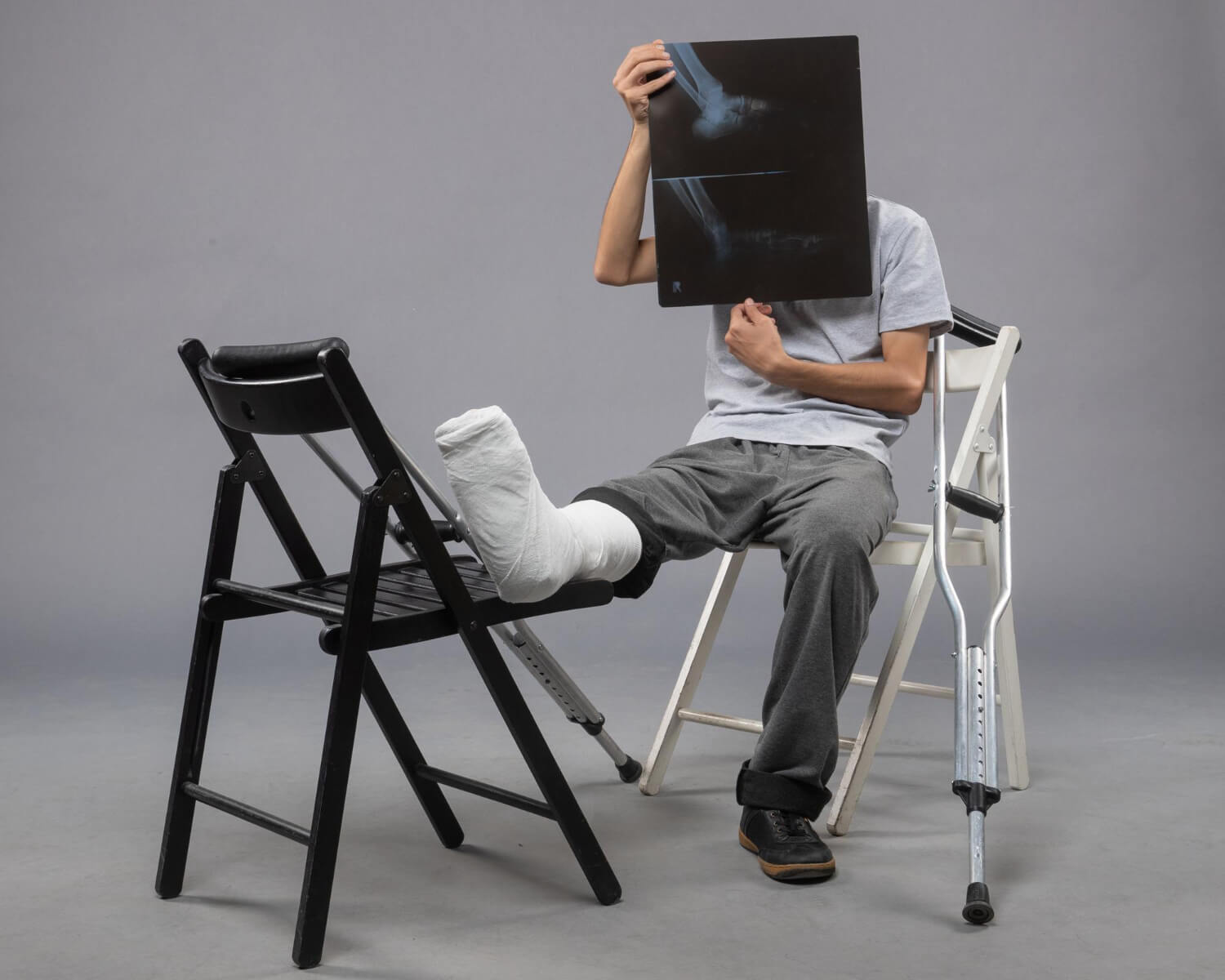
9. Neck and back injuries: The average cost for treatment of neck and back injuries can range from $5,000 to $50,000 or more, depending on the location and extent of the injury. Victims may face difficulties such as chronic pain, limited mobility, and difficulty performing daily activities. Recovery time can vary depending on the location and severity of the injury but can range from several weeks to several months. Tips to recover faster include participating in physical therapy, following a healthy diet, and avoiding activities that can worsen the injury. Victims can help their attorneys build a solid case by documenting the injury and its effects, as well as any medical treatment or expenses related to the injury.
10. Joint injuries: The average cost for treatment of joint injuries can range from $5,000 to $50,000 or more, depending on the location and extent of the injury. Victims may face difficulties such as chronic pain, limited mobility, and difficulty performing daily activities. Recovery time can vary depending on the location and severity of the injury but can range from several weeks to several months. Tips to recover faster include participating in physical therapy, following a healthy diet, and avoiding activities that can worsen the injury. Victims can help their attorneys build a solid case by documenting the injury and its effects, as well as any medical treatment or expenses related to the injury.
Conclusion
In conclusion, personal injury accidents can have devastating consequences, both physically and financially. Medical bills, lost wages, and other expenses can quickly add up, placing a significant burden on victims and their families. Seeking immediate medical treatment is crucial for physical and emotional recovery, but it's also important to consider the potential long-term costs associated with these injuries. The cost of hiring a personal injury attorney may also be a concern for some victims, but many attorneys work on a contingency fee basis, which can help alleviate financial stress. By understanding the potential costs and impacts of personal injury accidents, victims can take proactive steps to protect their health and financial well-being. It's important to keep detailed records of medical treatment and expenses and to gather any evidence that can support a personal injury claim. With the help of an experienced attorney, victims can pursue the compensation they deserve and focus on their recovery without the added stress of financial worries.
Credits: Main Image by DCStudio on Freepik
Frequently Asked Questions
How long do I have to file a personal injury lawsuit in California if I have a serious injury like a spinal cord injury or TBI?
In California, you generally have two years from the date of your accident to file a personal injury lawsuit, under California Code of Civil Procedure Section 335.1. However, if your injury was caused by a government entity — such as a city bus or a pothole on a public road — you must file a government tort claim within just six months of the incident. Missing these deadlines can permanently bar you from recovering compensation, so it's critical to speak with a personal injury attorney as soon as possible after a serious injury.
What types of damages can I recover if I'm facing $500,000 or more in medical bills after a bad accident in California?
In California, personal injury victims can recover both economic and non-economic damages. Economic damages include all past and future medical expenses, lost wages, rehabilitation costs, home modification expenses, and the cost of ongoing care — which can easily exceed $500,000 for spinal cord injuries or severe burns. Non-economic damages cover pain and suffering, emotional distress, and loss of enjoyment of life, though California's MICRA law (Civil Code Section 3333.2) caps non-economic damages at $350,000 in medical malpractice cases specifically. For standard personal injury claims like car accidents, there is no such cap, giving victims a full opportunity to pursue the compensation they truly need.
Can I still get compensated for my traumatic brain injury if I was partially at fault for the accident in California?
Yes — California follows a pure comparative negligence rule under California Civil Code Section 1714, which means you can still recover damages even if you were partially at fault for the accident. Your total compensation will simply be reduced by your percentage of fault; for example, if you were found 30% at fault and your damages total $1 million, you could still recover $700,000. This is a significant advantage compared to states that bar recovery if you are more than 50% at fault, and it means that even victims who share some responsibility for a serious injury should absolutely pursue their claim.
What's the biggest mistake people make after suffering a serious injury like an amputation or burn injury in an accident?
One of the most costly mistakes serious injury victims make is delaying medical treatment or failing to follow through with their prescribed care — both of which give insurance companies grounds to argue that your injuries are not as severe as claimed or that you failed to mitigate your damages. Under California law, injured victims have a legal duty to take reasonable steps to minimize their losses, and gaps in treatment can be used against you in court. Additionally, many victims accept an early settlement offer from an insurance company before the true long-term costs of their injury — such as prosthetics, ongoing physical therapy, or future surgeries — are fully understood, leaving them unable to seek more compensation later.
Does California workers' compensation cover expensive treatments like spinal cord surgery if I was hurt on the job?
Yes, if you suffered a serious injury such as a spinal cord injury or traumatic brain injury while working, California's workers' compensation system under California Labor Code Section 3600 requires your employer's insurance to cover all reasonable and necessary medical treatment, with no out-of-pocket cost to you. Workers' comp also provides partial wage replacement benefits and, for catastrophic injuries, can cover long-term care and vocational rehabilitation. However, workers' compensation limits your ability to sue your employer directly — though if a third party, such as a negligent driver or equipment manufacturer, contributed to your injury, you may also be able to file a separate personal injury lawsuit to recover full damages including pain and suffering.
How does a contingency fee arrangement actually work when hiring a personal injury attorney for a high-cost injury case in California?
Under a contingency fee agreement, your California personal injury attorney receives no upfront payment — they only get paid if they successfully recover compensation for you, typically taking a percentage of the final settlement or court award, which commonly ranges from 33% to 40% depending on whether the case settles or goes to trial. This means that even if you are facing hundreds of thousands of dollars in medical bills and have no money to spend on legal fees, you can still access experienced legal representation at no initial cost. California Rules of Professional Conduct require that contingency fee agreements be in writing and clearly spell out the percentage and how case expenses will be handled, so you should always review your retainer agreement carefully before signing.
My doctor says I'll need ongoing care for years after my burn injury — how do courts calculate future medical expenses in California personal injury cases?
California courts allow personal injury victims to recover the present cash value of all reasonably certain future medical expenses, meaning your attorney and their experts will calculate the total cost of your projected lifetime care — including surgeries, medications, rehabilitation, and in-home assistance — and then apply a present value discount to account for the fact that the money is being paid today. This calculation typically requires testimony from medical experts who can speak to your prognosis and care needs, as well as a life care planner or economist who can assign credible dollar figures to each element. In high-cost injury cases like severe burns or spinal cord injuries, future medical damages often represent the largest single component of a victim's total compensation, making it essential to work with an attorney who brings in the right expert witnesses from the start.