
Animal Attack
Whether you've been injured in an accident, are dealing with a personal injury claim, or facing another legal issue, Mendez & Sanchez APC is here to fight for you. We handle a wide range of cases and focus on one thing: getting results. Our goal is to win the maximum compensation you deserve and help you get the justice you're owed in California or Nevada. Contact us today for a free, no-obligation consultation.
Call Us Now
Although dogs and other pets are often considered part of the family, thousands of people each year are injured in animal attacks that require emergency medical treatment. If you were attacked by another person’s dog or pet, you may be able to recover compensation for your harm, including medical expenses and other damages.
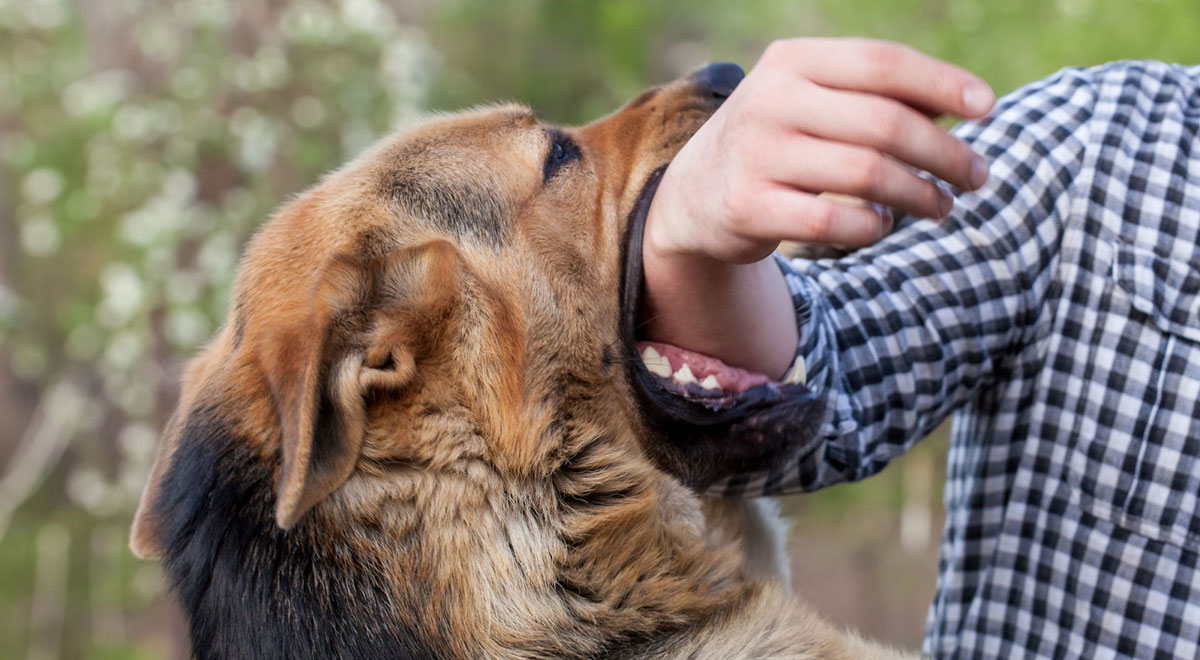
Holding Pet Owners Accountable for Attacks by Their Animals
Under California law, dog owners are generally strictly liable for injuries caused by their dogs. This means that even if the dog has never bitten anyone before, and even if the owner did not know that his or her dog was vicious, the owner will still be responsible for the victim’s harm.
In bringing a claim against the owner, a plaintiff must prove that the dog was owned by the defendant, the victim was on public property or lawfully on private property, the victim was bitten by the dog, and the victim suffered injuries. Trespassers and those who are illegally on private property when bitten by a dog, therefore, may not seek compensation under this statute. In addition, the California dog bite law does not allow any action to be brought against a governmental agency using a dog in military or police work, unless the victim was not involved in the event that prompted the use of the dog. An action to recover damages resulting from a dog bite must be filed within two years of the date of the attack.
Keepers, handlers, or others in control of an animal may be deemed liable under the law as well. However, they are not held to the strict liability standard of owners and must have had knowledge of the dog’s vicious propensities, such as a previous attack, before they can be found liable to a dog bite victim. A negligence claim may also be brought against non-owners who were not reasonably careful in controlling a dog under the surrounding circumstances, if their carelessness caused harm to the victim. An example could be a dog walker who illegally allows a dog to run off-leash close to a public playground.
Who Pays After a Dog Bite?
Perhaps you’ve suffered a dog bite but are feeling hesitant to bring a claim against a dog owner for fear that the owner could experience financial hardship as a result. Maybe the owner is your neighbor or even a relative you don’t want to upset. While the owner may ultimately have to pay out of pocket for your expenses, there are other options in many cases.
Depending on the circumstances of your dog bite injury, your claim could be paid by any of the following sources:
- Homeowners Insurance – In most cases, a homeowners insurance policy will cover dog bites sustained on the owner’s property. Many policies have clauses that reduce or suspend coverage after a dog’s first bite.
- Car Insurance – If a dog bite occurs in a car or through an open car window, the owner’s car insurance usually covers the claim.
- Animal Insurance – Certain insurance companies sell coverage for pet owners. If the dog owner in your case has animal insurance, this policy would cover your damages.
- No Insurance – If the dog owner has no insurance policy that covers animal bites, he or she will be held financially responsible.
Frequently Asked Questions
I was bitten by my neighbor's dog in California — can I sue even if the dog has never bitten anyone before?
Yes, California Civil Code 3342 imposes strict liability on dog owners, meaning you can recover compensation even if the dog had no history of aggression and the owner had no warning their dog was dangerous. You don't need to prove the owner was careless — just that the dog was theirs, you were lawfully present where the bite occurred, and you suffered injuries as a result. This is one of the strongest dog bite laws in the country, and it applies whether the attack happened on public property or at the owner's home. An experienced California animal attack attorney can help you build your claim quickly.
How long do I have to file a dog bite lawsuit in California?
Under California Code of Civil Procedure 335.1, you have two years from the date of the dog bite to file a personal injury lawsuit. If you miss this deadline, you will almost certainly lose your right to recover any compensation, regardless of how serious your injuries are. There are limited exceptions — for example, if the victim is a minor — but it's critical not to assume you qualify for an extension. Contact a California personal injury attorney as soon as possible after an attack to protect your legal rights.
Who is actually responsible for paying after a dog bite — does the owner pay out of pocket?
Not always — in many California dog bite cases, compensation comes from the owner's homeowners insurance policy, which typically covers dog bites that occur on the insured property, though some policies reduce or eliminate coverage after a first bite. If the attack happened in or near a vehicle, the owner's auto insurance may apply, and some pet owners carry dedicated animal liability insurance. Only when no applicable insurance coverage exists would the owner likely pay out of pocket. A personal injury attorney can help identify all available insurance sources before your claim is filed.
What should I do immediately after being attacked by someone's dog in California?
Your first priority is to seek emergency medical treatment, both for your health and because documented medical records are the foundation of your compensation claim. You should also report the attack to your local animal control agency — in Los Angeles County, for example, that's LA County Animal Care and Control — and gather the dog owner's contact and insurance information if you can safely do so. Take photos of your injuries, the location, and if possible the dog, and get contact information from any witnesses. Then consult a California animal attack attorney before speaking with any insurance company.
Can I still recover compensation if I was bitten by a dog that belongs to a friend or family member?
Yes, and this situation is more common than most people realize — you should not feel guilty about pursuing a claim because in the vast majority of cases, it is the homeowner's or renter's insurance policy that pays, not your loved one directly out of pocket. California Civil Code 3342 does not make exceptions for social relationships, and your medical bills, lost wages, and pain and suffering are real losses you deserve to have covered. A compassionate personal injury attorney can often handle these sensitive cases in a way that protects your relationship while still securing the compensation you need. You were hurt through no fault of your own, and the law is on your side.
What mistakes do people make after a dog bite that hurt their California injury claim?
One of the most damaging mistakes is giving a recorded statement to the dog owner's insurance company before consulting an attorney — adjusters are trained to ask questions that minimize your payout. Waiting too long to see a doctor is another major error, because gaps in medical treatment give insurers grounds to argue your injuries weren't serious or weren't caused by the attack. Failing to report the incident to animal control can also weaken your case by leaving no official record of what happened. Finally, many victims don't realize they're entitled to compensation beyond just medical bills — including lost income and emotional distress — and they settle far too early for far too little.
Does California's dog bite law cover attacks by animals other than dogs, like a neighbor's cat or exotic pet?
California Civil Code 3342 applies specifically to dog bites, but if you were injured by another type of animal — a cat, horse, exotic reptile, or other pet — you still have legal options under general negligence principles. To succeed on a negligence claim, you would typically need to show that the owner knew or should have known the animal had dangerous tendencies and failed to take reasonable precautions to prevent harm. Keepers and handlers who are not the animal's owner can also be held liable if they had knowledge of the animal's vicious propensities and failed to act on it. A California personal injury attorney can evaluate which legal theory gives you the strongest path to recovery based on the specific circumstances of your attack.