
Who Can You Sue for a Slip and Fall Accident: Determining Liability
Whether you've been injured in an accident, are dealing with a personal injury claim, or facing another legal issue, Mendez & Sanchez APC is here to fight for you. Contact us today for a free, no-obligation consultation.
Call Us Now
Slip and fall accidents can happen anywhere, and they can result in serious injuries. If you've been injured in a slip and fall accident, you may be able to file a lawsuit to recover damages from the responsible party. But where exactly can you file a lawsuit? Here are some of the places where slip and fall victims might be able to seek compensation for their injuries:
1. Malls and Stores
Malls and stores have a duty to keep their premises safe for customers. This includes ensuring that floors are clean and dry, that spills are cleaned up promptly, and that any hazards are clearly marked. If a mall or store fails to meet these obligations and you are injured as a result, you may be able to file a lawsuit against the property owner or the store operator.
For example, imagine you are shopping at a mall, and you slip and fall on a wet spot near the entrance of a store. If the mall or store failed to put up a warning sign or to promptly clean up the wet spot, they may be held liable for your injuries. You could potentially file a lawsuit against the mall or store to seek compensation for your medical bills, lost wages, and other damages resulting from the accident.

2. Private Property
Property owners have a duty to keep their premises safe for visitors, whether they are invited or not. If you slip and fall on someone's private property, you may be able to file a lawsuit against the property owner if they were negligent in maintaining the property.
Let's say you're attending an outdoor concert at a private property. As you're walking through the grass, you slip and fall on a hidden hole that was not marked or filled. As a result, you suffer a serious injury.
In this case, you may be able to file a lawsuit against the property owner for their negligence in maintaining the property and failing to warn guests of the hazard. The owner may be liable for your medical expenses, lost income, pain and suffering, and other damages resulting from the accident.
3. Homes
If you slip and fall in someone's home, you may be able to file a lawsuit against the homeowner if they were negligent in maintaining their property. However, it's important to note that there are some limitations on the ability to sue homeowners for injuries sustained on their property.
For example, imagine you are visiting a friend's house and you slip and fall on a cracked and uneven driveway. If your friend failed to repair the driveway or to warn you about the hazard, they may be held liable for your injuries. You could potentially file a lawsuit against your friend to seek compensation for your medical bills, lost wages, and other damages resulting from the accident. Similarly, if you slip and fall on a poorly maintained sidewalk outside someone's home, the property owner may also be held liable if they failed to take reasonable steps to keep the sidewalk safe for pedestrians.
4. Buses and Trains
Public transportation operators have a duty to ensure that their vehicles are safe for passengers. This includes maintaining floors and steps in good condition, providing adequate lighting, and ensuring that any hazards are clearly marked. If you are injured in a slip and fall accident on a bus or train, you may be able to file a lawsuit against the operator.
Let's say you are riding on a train when you slip and fall on a broken step while boarding or exiting the train. As a result of the fall, you suffer a serious injury.
In this case, you may be able to file a lawsuit against the train operator for their negligence in maintaining the train in a safe condition. The operator may be held liable for your medical expenses, lost income, pain and suffering, and other damages resulting from the accident. Public transportation operators have a duty to ensure that their vehicles are safe for passengers, and if they fail to meet this obligation, they may be held responsible for any injuries that occur.
5. Government Property
Government entities also have a duty to maintain their properties in a safe condition. If you are injured in a slip and fall accident on government property, you may be able to file a lawsuit against the government entity responsible for the property.
Let's say you are visiting a government building, such as a city hall or a library, and you slip and fall on an area of damaged flooring that was not repaired or cordoned off. You suffer a serious injury because of the fall.
In this case, you may be able to file a lawsuit against the government entity responsible for maintaining the building. The government has a duty to ensure that its properties are safe for visitors, and if it fails to repair or cordon off a known hazard, it may be held liable for any injuries that occur.
6. Sidewalks and Streets
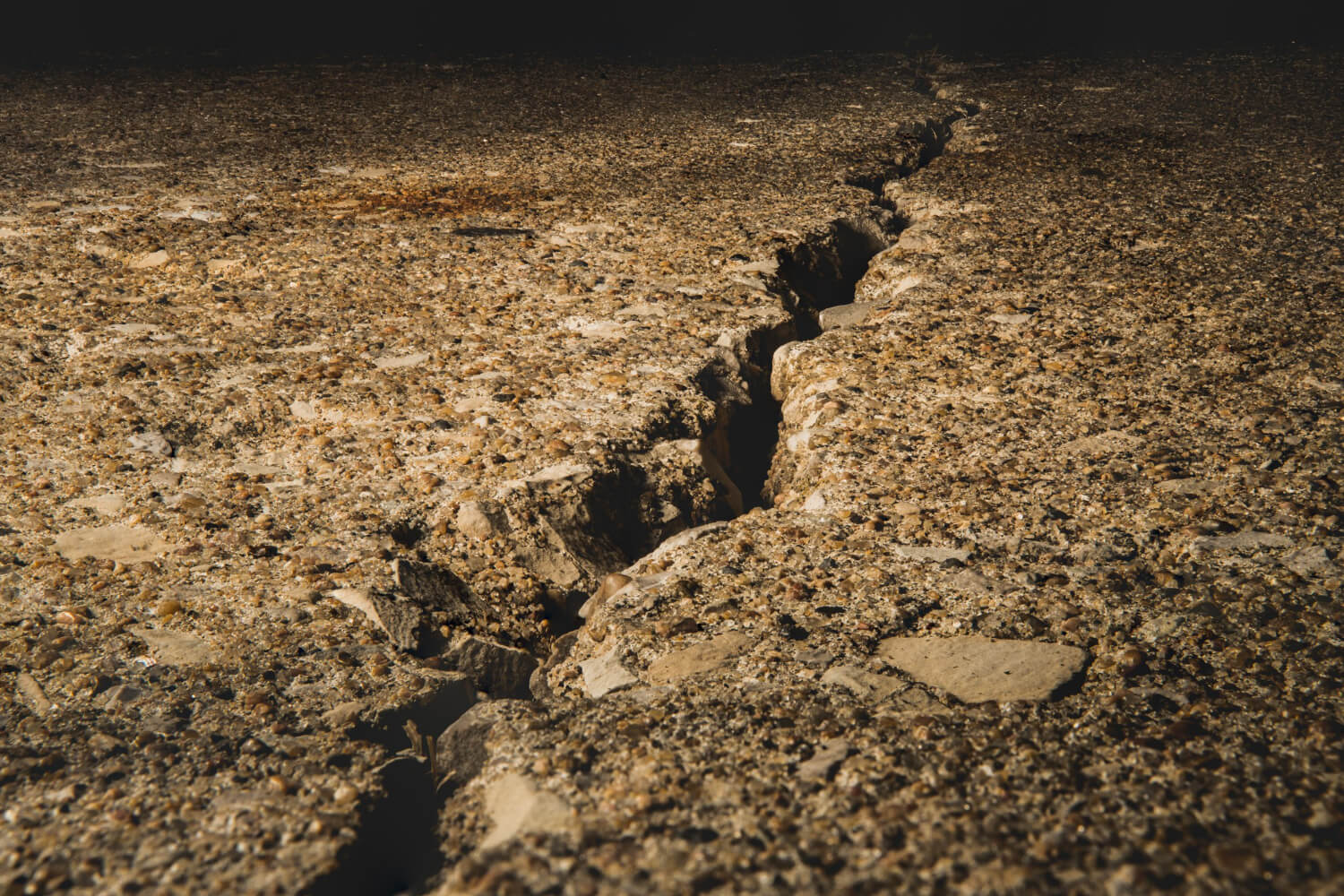
In some cases, slip and fall accidents occur on public sidewalks or streets. If the accident was caused by a hazardous condition that the city or municipality failed to address, you may be able to file a lawsuit against the responsible government entity.
Let's say you're walking on a public sidewalk, and you trip and fall due to a large crack in the pavement. You suffer a serious injury as a result of the fall, and it is later determined that the crack was present for an extended period of time without being repaired by the city or municipality responsible for maintaining the sidewalk.
In this case, you may be able to file a lawsuit against the city or municipality for failing to address the hazardous condition. However, these types of lawsuits can be difficult because government entities often have immunity from certain types of legal claims. Additionally, proving that the city or municipality was negligent in maintaining the sidewalk can be challenging and may require expert testimony.
Despite these challenges, it is still possible to pursue a lawsuit in these types of cases. An experienced personal injury attorney can help you navigate the legal system and work to hold the responsible government entity accountable for its negligence.
7. Construction Sites
Construction sites can be dangerous places, and slip and fall accidents are not uncommon. If you are injured in a slip and fall accident on a construction site, you may be able to file a lawsuit against the construction company or property owner.
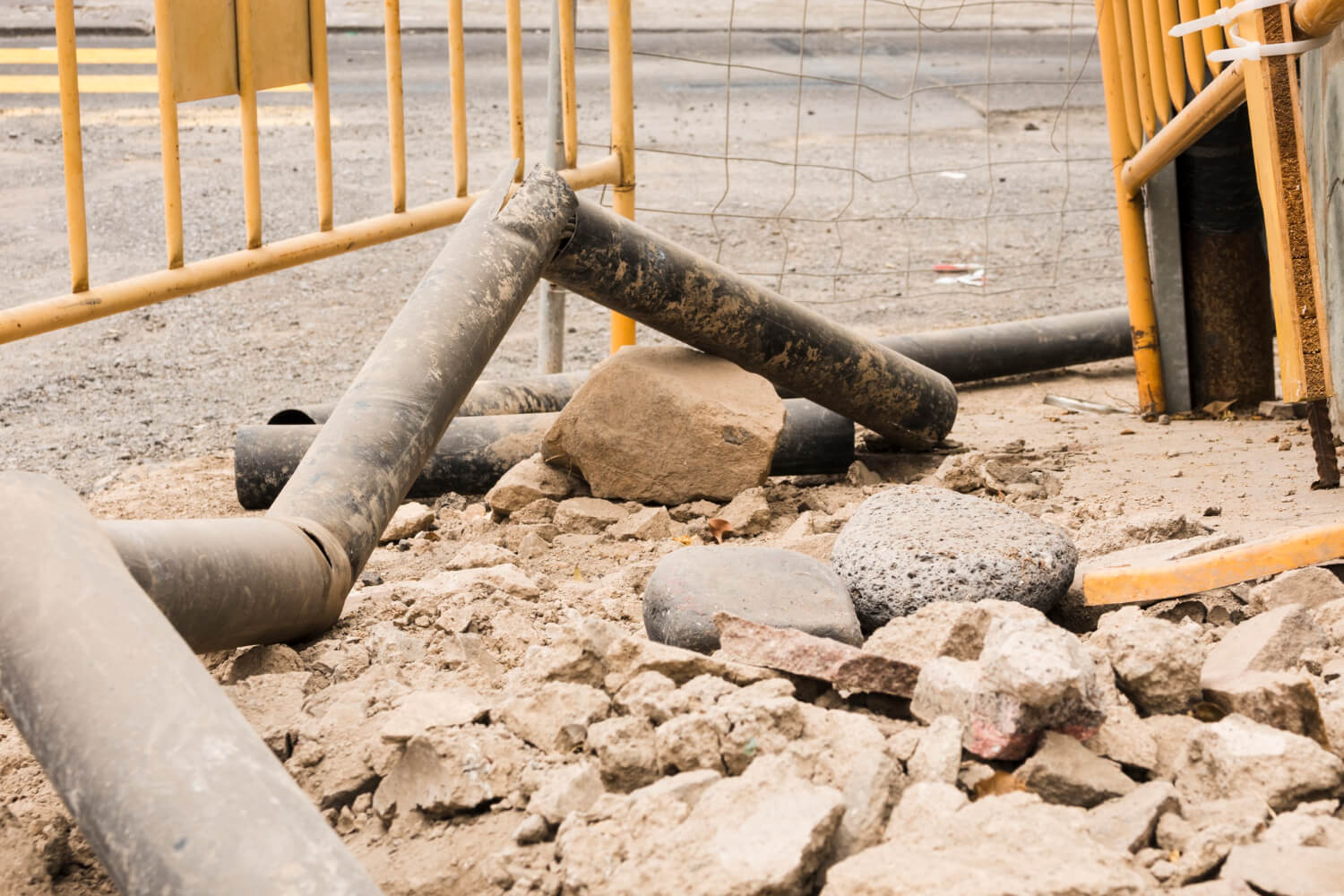
Imagine you are walking down a street in your neighborhood at night and stumble into an unmarked pit hole on the sidewalk, which was left uncovered by a construction company that was working on the site earlier that day. You suffer serious injuries and incur significant medical bills as a result.
Upon investigating the incident, you find out that the construction company failed to properly secure the site, and as a result, you were injured due to their negligence. You may be able to file a lawsuit against the construction company to recover your damages, including medical bills, lost wages, and pain and suffering.
In all of these cases, it's important to establish that the responsible party was negligent in maintaining their property or vehicle. This may involve gathering evidence such as witness statements, photographs, and maintenance records. Additionally, it's important to file your lawsuit within the statute of limitations, which varies depending on the jurisdiction and the type of claim.
Conclusion
In conclusion, slip and fall accidents can happen anywhere, and victims may be able to file a lawsuit against a variety of different parties depending on the circumstances. By understanding your legal options and working with a knowledgeable attorney, you can pursue the compensation you deserve for your injuries.
If you've suffered a slip and fall accident in California, particularly in the bustling city of Los Angeles, you need an attorney who will fight fiercely for your rights and advocate for the maximum compensation you deserve. At Mendez & Sanchez, we have the experience, expertise, and tenacity to take on any property owner, business, or government entity responsible for your injuries. We won't rest until we have secured the best possible outcome for your case, and we'll do everything in our power to make sure your voice is heard, and your rights are protected. Don't settle for less than you deserve – contact us today and let us fight for you!
Credits: Main Image by jannoon028 on Freepik
Frequently Asked Questions
How long do I have to file a slip and fall lawsuit in California?
In California, you generally have two years from the date of your slip and fall accident to file a personal injury lawsuit, as established under California Code of Civil Procedure Section 335.1. However, if your accident happened on government property — such as a city sidewalk or county building — you must first file a government tort claim within just six months of the incident under the California Government Claims Act (Government Code Section 911.2). Missing either of these deadlines can permanently bar you from recovering any compensation, so it's critical to speak with an attorney as soon as possible after your injury.
What kind of compensation can I actually recover from a slip and fall accident in California?
California slip and fall victims can pursue two main categories of damages: economic damages, which cover measurable financial losses like medical bills, future treatment costs, lost wages, and reduced earning capacity, and non-economic damages, which compensate for pain and suffering, emotional distress, and loss of enjoyment of life. In cases where the property owner's conduct was especially reckless or malicious, California Civil Code Section 3294 also allows courts to award punitive damages designed to punish the defendant. The total value of your claim depends heavily on the severity of your injuries, how clearly the property owner was at fault, and whether you share any portion of the blame under California's comparative fault rules.
Can I still sue if I was partly at fault for my own slip and fall?
Yes — California follows a pure comparative negligence rule, meaning you can still recover damages even if you were partially responsible for your own accident. Under this system, your total compensation is simply reduced by your percentage of fault; for example, if a court finds you 30% at fault and your damages total $100,000, you would still recover $70,000. This is actually more generous than many other states that bar recovery entirely once a plaintiff reaches 50% or 51% fault, so don't assume partial responsibility means you have no case.
What's the first thing I should do right after a slip and fall on someone else's property?
Your first priority is always your health — call 911 or seek medical attention immediately, even if your injuries seem minor at first, because adrenaline can mask serious damage and early medical records become powerful evidence later. While still at the scene, take photos and videos of the hazard that caused your fall, get the names and contact information of any witnesses, and report the accident to the property manager or store employee so there is an official incident report on file. Avoid giving detailed recorded statements to insurance adjusters before consulting an attorney, as California premises liability cases often hinge on the specific language used in those early conversations.
Does it matter whether I was a customer, a guest, or a trespasser when I slipped and fell?
Your legal status on the property traditionally affected how much protection you received, but California largely eliminated those distinctions with the landmark Supreme Court decision in Rowland v. Christian (1968), which established that property owners generally owe a duty of reasonable care to all people on their property — including, in many circumstances, trespassers. The court weighs factors like how foreseeable the injury was, the burden of fixing the hazard, and the moral responsibility of the property owner. That said, being an invited customer at a business still tends to result in the strongest claim because courts expect commercial property owners to actively inspect and maintain their premises for the benefit of patrons.
One big mistake people make after a slip and fall — what is it?
The single most damaging mistake we see is waiting too long to document the hazard, because property owners often repair the dangerous condition within days of an accident to avoid further liability — and once it's fixed, your physical evidence is gone. Security footage, which is often the most compelling proof in slip and fall cases, is typically overwritten within 24 to 72 hours, making it essential to send a written evidence preservation demand to the property owner as quickly as possible. Pairing prompt documentation with early legal representation gives your attorney the best chance to investigate before critical evidence disappears.
Can I sue the city of Los Angeles or another California municipality if I slipped on a broken sidewalk?
Yes, but suing a California government entity like the City of Los Angeles or the County of San Diego involves strict procedural steps that differ significantly from suing a private property owner. Under the California Government Claims Act (Government Code Section 911.2), you must file a formal government tort claim with the responsible agency within six months of your accident — not two years — and the agency then has 45 days to accept or reject it before you can proceed to court. California Government Code Section 835 holds public entities liable for injuries caused by a dangerous condition on public property when the entity had actual or constructive notice of the hazard and failed to act, so it's very possible to win these cases, but the compressed timeline makes acting quickly absolutely essential.