If you were hurt in a motorcycle accident in California or Nevada, you may be owed compensation for your medical bills, lost wages, and everything the crash has cost you. Motorcyclists face some of the highest injury rates on the road, and insurance companies often try to blame the rider. Mendez & Sanchez APC has recovered over $1 billion for injured clients, and we know how to fight for motorcyclists. Consultations are free, in English and Spanish, and you pay nothing unless we win.
Why Motorcycle Accident Cases Are Different
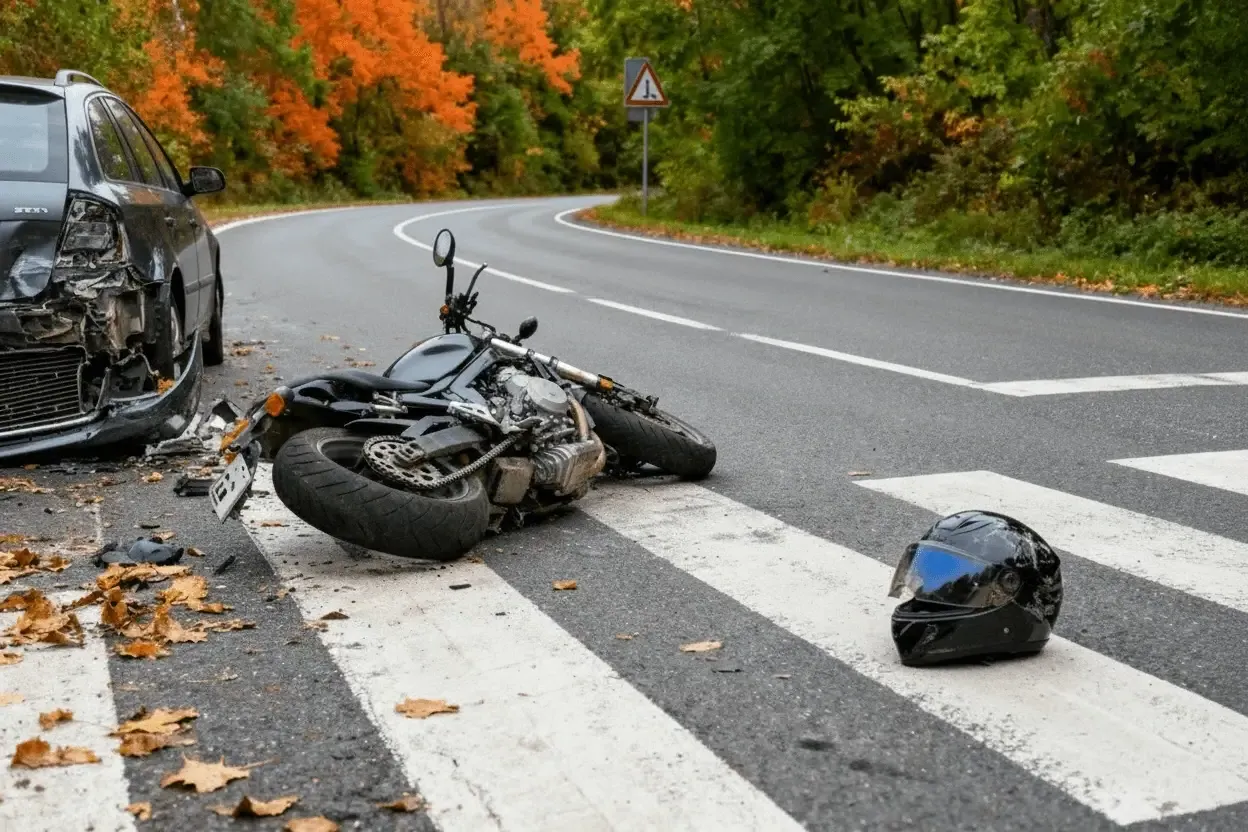
Motorcycles offer no structural protection. No metal frame, no airbags, no crumple zones. When another driver fails to yield, changes lanes without looking, or runs a red light, the person on the motorcycle almost always suffers the worst injuries. Common motorcycle accident injuries include road rash, broken bones, traumatic brain injuries, spinal cord injuries, and internal organ damage.
Insurance adjusters also treat motorcyclists differently. Some use what lawyers call "biker bias" to reduce settlements, suggesting the rider was speeding or being reckless. An experienced motorcycle accident attorney knows these tactics and counters them with evidence.
Common Causes of Motorcycle Accidents
- Drivers who fail to see the motorcycle when changing lanes or turning
- Left-turn accidents at intersections where a car turns in front of an oncoming motorcycle
- Rear-end collisions from following too closely
- Distracted driving, including phone use behind the wheel
- Dooring: a parked car occupant opens their door into a passing rider
- Dangerous road conditions such as gravel, potholes, or slick surfaces
- Drunk or impaired drivers
Lane Splitting Laws in California
California is the only state in the US that formally allows lane splitting, regulated under California Vehicle Code section 21658.1. Lane splitting is legal when done safely and prudently. If you were lane splitting when the accident happened, the other driver's insurance company will likely argue you were at fault. We know how to challenge that argument with evidence showing the split was within safe guidelines and the other driver's negligence caused the crash.
Nevada does not permit lane splitting. If you were riding in Nevada, your case will be evaluated under Nevada's modified comparative fault rules, which allow recovery as long as you were not more than 50% responsible for the accident.
What to Do After a Motorcycle Accident
- Get medical attention immediately. Even if you feel okay, adrenaline can mask injuries. Traumatic brain injuries and internal bleeding may not show symptoms for hours. Gaps in treatment give insurers a reason to deny or reduce your claim.
- Call the police. Get a report number. The report is your official record of what happened.
- Photograph everything you can: the road, both vehicles, your injuries, skid marks, and the other driver's insurance card. If witnesses saw the crash, get their names and phone numbers.
- Do not give a recorded statement to any insurance company before speaking with an attorney. What you say early on can be used against you.
- Contact a motorcycle accident lawyer. Evidence disappears quickly. Surveillance footage gets overwritten. A lawyer can act fast to preserve what matters.
What Compensation Can You Recover?
- Medical expenses, including emergency treatment, surgery, hospitalization, physical therapy, and future care
- Lost wages and reduced earning capacity if your injuries affect your ability to work
- Motorcycle repair or replacement and damaged riding gear
- Pain and suffering, emotional distress, and loss of enjoyment of life
Can You Recover Compensation if You Were Not Wearing a Helmet?
Possibly, yes. California requires all motorcycle riders to wear a helmet under Vehicle Code section 27803. If you were not wearing one and were injured, the other driver's insurer will likely argue your injuries were worsened by that choice. Under California's comparative fault rules, your recovery may be reduced. But the absence of a helmet does not eliminate your right to compensation for the accident itself. An attorney can help limit the impact of the helmet issue on your case.