
Construction Zone Accidents: Legal Challenges, Liability & Damages
Whether you've been injured in an accident, are dealing with a personal injury claim, or facing another legal issue, Mendez & Sanchez APC is here to fight for you. Contact us today for a free, no-obligation consultation.
Call Us Now
Construction zones on roads and highways pose unique risks for drivers, as well as for construction companies, contractors, and government entities responsible for maintaining safe road conditions. Car accidents that occur in construction zones can result in serious injuries, property damage, and even fatalities. Navigating the legal landscape of construction zone accidents can be complex, with disputes over negligence, liability, and damages. This article will explore the various legal challenges involved in construction zone accidents, including the responsibilities of construction companies, contractors, and government entities, as well as the potential liability and damages that may arise. Understanding the legal complexities of construction zone accidents is crucial for all parties involved, including accident victims seeking fair compensation for their injuries.
Section 1: Understanding Construction Zone Accidents
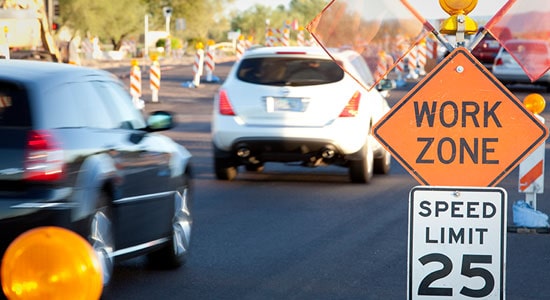
In this section, we will delve into the unique characteristics of construction zone accidents. Construction zones are typically marked by reduced speed limits, lane closures, narrowed roadways, and other temporary traffic control measures. These changes in road conditions can increase the risk of accidents, including rear-end collisions, sideswipe accidents, and other types of crashes. Construction zone accidents can involve passenger vehicles, commercial vehicles, and construction vehicles, and may result in injuries to drivers, passengers, workers, or pedestrians. Understanding the specific hazards and challenges of construction zone accidents is critical for evaluating liability and damages in legal claims.
Section 2: Responsibilities of Construction Companies and Contractors
Construction companies and contractors have a legal obligation to ensure that construction zones are safe for motorists and pedestrians. This section will discuss the responsibilities of construction companies and contractors in maintaining safe conditions in construction zones, including proper signage, traffic control measures, and adherence to applicable regulations and industry standards. It will also cover the duty to warn drivers of hazards, proper maintenance of construction equipment and vehicles, and supervision of workers. Failure to fulfill these responsibilities can result in legal liability for construction companies and contractors in construction zone accident cases.
Section 3: Liability of Government Entities
Government entities, including state and local departments of transportation, may also be held liable for construction zone accidents. This section will explore the legal principles of governmental immunity, which may shield government entities from liability in certain circumstances, as well as exceptions to immunity that may apply in construction zone accident cases. It will also cover the duty of government entities to properly design, construct, and maintain roads and highways, including construction zones, and the potential liability for failure to do so. Understanding the legal framework for government entity liability is crucial for evaluating legal claims involving construction zone accidents.
Section 4: Damages in Construction Zone Accident Cases
In construction zone accident cases, injured parties may be entitled to various types of damages. This section will discuss the types of damages that may be available, including compensation for medical expenses, lost wages, pain and suffering, property damage, and other losses. It will also cover the challenges of proving damages in construction zone accident cases, including the need for expert testimony, documentation of expenses, and consideration of future damages. Understanding the types of damages that may be available and the process for calculating and proving damages is essential for effectively pursuing legal claims for construction zone accidents.
Section 5: Strategies for Navigating Construction Zone Accident Cases
This section will provide practical tips and strategies for navigating construction zone accident cases, including the importance of gathering evidence at the scene of the accident, documenting road conditions, obtaining police reports and other records, and preserving physical evidence. It will also cover the importance of seeking legal representation from experienced personal injury attorneys with expertise in construction zone accidents, who can effectively negotiate with insurance companies, navigate complex legal issues, and advocate for fair compensation for injured parties.
Construction zone accidents present unique legal challenges, involving issues of negligence, liability, and damages. Construction companies, contractors, and government entities have responsibilities to maintain safe road conditions in construction zones, and failure to fulfill these responsibilities can result in legal liability.
Governmental immunity may provide certain protections to government entities, but exceptions may apply in construction zone accident cases. Damages in construction zone accident cases may include medical expenses, lost wages, pain and suffering, property damage, and other losses. However, proving damages can be challenging and may require expert testimony and documentation.
Navigating construction zone accident cases requires careful attention to evidence collection, documentation, and legal representation. Injured parties should gather evidence at the scene of the accident, document road conditions, obtain police reports and other records, and preserve physical evidence to support their legal claims. Seeking legal representation from experienced personal injury attorneys with expertise in construction zone accidents is crucial to effectively negotiate with insurance companies, navigate complex legal issues, and advocate for fair compensation.
It is important to understand the legal responsibilities of construction companies, contractors, and government entities in maintaining safe road conditions in construction zones. Construction companies and contractors should ensure proper signage, traffic control measures, and adherence to regulations and industry standards. Government entities have a duty to properly design, construct, and maintain roads and highways, including construction zones. Understanding the legal framework for liability is crucial in evaluating legal claims involving construction zone accidents.
Proving damages in construction zone accident cases can be complex, requiring documentation of medical expenses, lost wages, and other losses. Injured parties may need to rely on expert testimony to establish the extent of their damages, including future damages. It is essential to work with experienced personal injury attorneys who can effectively calculate and prove damages in construction zone accident cases.
In summary, construction zone accidents pose unique legal challenges, involving issues of negligence, liability, and damages. Understanding the responsibilities of construction companies, contractors, and government entities, as well as the legal principles of governmental immunity, is crucial in evaluating legal claims involving construction zone accidents. Proving damages can be complex and may require expert testimony and documentation. Navigating construction zone accident cases requires careful evidence collection, documentation, and legal representation. Injured parties should seek experienced personal injury attorneys with expertise in construction zone accidents to effectively negotiate with insurance companies and advocate for fair compensation.
Frequently Asked Questions
How long do I have to file a lawsuit after a construction zone accident in California?
In California, you generally have two years from the date of your accident to file a personal injury lawsuit, under California Code of Civil Procedure Section 335.1. However, if a government entity — such as Caltrans or a county transportation department — is responsible for the construction zone, you must file a government tort claim within just six months of the incident under the California Government Code Section 911.2, making it critical to act quickly. Missing either deadline can permanently bar you from recovering compensation, so consulting a personal injury attorney as soon as possible after your accident is strongly advised.
Can I sue Caltrans if a poorly marked construction zone on a California freeway caused my accident?
Yes, you can potentially sue Caltrans for a construction zone accident caused by inadequate signage or unsafe road design, but the process is more complex than suing a private party. Under California Government Code Section 835, a public entity like Caltrans can be held liable if a dangerous condition of public property caused your injury and the entity had actual or constructive notice of that condition. You must first file a formal government tort claim within six months of your accident before you can proceed with a lawsuit, and an experienced personal injury attorney can help you build the evidence needed to overcome California's strict governmental claim requirements.
What kinds of compensation am I entitled to after getting hurt in a highway construction zone crash?
If you were injured in a California construction zone accident, you may be entitled to both economic and non-economic damages, including reimbursement for medical bills, future medical care, lost wages, and loss of earning capacity under California Civil Code Section 3333. You can also pursue non-economic damages such as pain and suffering, emotional distress, and loss of enjoyment of life, which are calculated based on the severity of your injuries and their impact on your daily life. In cases involving extreme recklessness or misconduct by a construction company or contractor, punitive damages under California Civil Code Section 3294 may also be available to punish the wrongdoer and deter future negligence.
What's the biggest mistake people make after a construction zone accident that hurts their legal case?
One of the most damaging mistakes injured people make is failing to document the construction zone conditions immediately after the accident, since construction sites change rapidly and critical evidence like missing signs, faded lane markings, or absent flaggers can disappear within hours or days. Accepting an early settlement offer from an insurance company before fully understanding the extent of your injuries is another costly error, as construction zone injuries — including traumatic brain injuries and spinal damage — often have long-term costs that aren't immediately apparent. Taking photos, collecting witness contact information, and calling a personal injury attorney before speaking with any insurance adjuster are the most important protective steps you can take.
If a construction worker caused the crash by directing me into oncoming traffic, who is legally responsible?
When a construction worker — commonly called a flagger — negligently directs traffic in a way that causes a collision, both the individual worker and their employer (the construction company or contractor) can be held legally responsible under the legal doctrine of respondeat superior, which holds employers liable for the negligent acts of their employees performed within the scope of employment. California courts have consistently applied this principle, meaning the contractor who hired and supervised that flagger is a primary target for your legal claim. Additionally, if a government agency contracted with that construction company, you may have claims against both the private contractor and the public entity, depending on how the contract structured oversight and safety responsibilities.
Does California's comparative fault law apply if I was speeding through the construction zone when the accident happened?
Yes, California follows a pure comparative fault rule under California Civil Code Section 1431.2, which means that even if you were speeding through the construction zone and share some responsibility for the accident, you can still recover damages — your award is simply reduced by your percentage of fault. For example, if you are found 30% at fault for speeding and your total damages are $100,000, you would still recover $70,000 from the other responsible parties. This is actually one of the most favorable fault systems in the country for injured plaintiffs, and it means you should never assume your own actions disqualify you from seeking compensation — a skilled attorney can work to minimize your assigned fault percentage.
How do lawyers prove that a construction company was negligent in a California road construction accident case?
Proving construction company negligence typically involves demonstrating that the company failed to meet the safety standards established by California's Manual on Uniform Traffic Control Devices (MUTCD) and Cal/OSHA Title 8 regulations, which govern traffic control, signage, and worker safety in construction zones. Attorneys gather evidence including traffic control plans, safety inspection records, worker training logs, surveillance footage, and testimony from accident reconstruction experts and highway safety engineers to establish how and where those standards were violated. In California, construction companies also have a non-delegable duty to maintain safe working conditions, so even if a subcontractor physically performed the negligent work, the general contractor may still bear full legal liability under California Labor Code principles and general negligence law.