
Preventing Slips and Falls on Elevators and Escalators: Tips and Treatment
Whether you've been injured in an accident, are dealing with a personal injury claim, or facing another legal issue, Mendez & Sanchez APC is here to fight for you. Contact us today for a free, no-obligation consultation.
Call Us Now
Elevators and escalators are convenient modes of transportation in public places, such as shopping centers, airports, and office buildings. However, they can also be a significant source of danger if not adequately maintained or used correctly. Slip and fall accidents on elevators and escalators are common and can result in serious injuries. In this article, we will discuss the causes, symptoms, and treatments of slips and falls on elevators or escalators.
Causes of Slips and Falls on Elevators or Escalators
The following are some common causes of slips and falls on elevators or escalators:
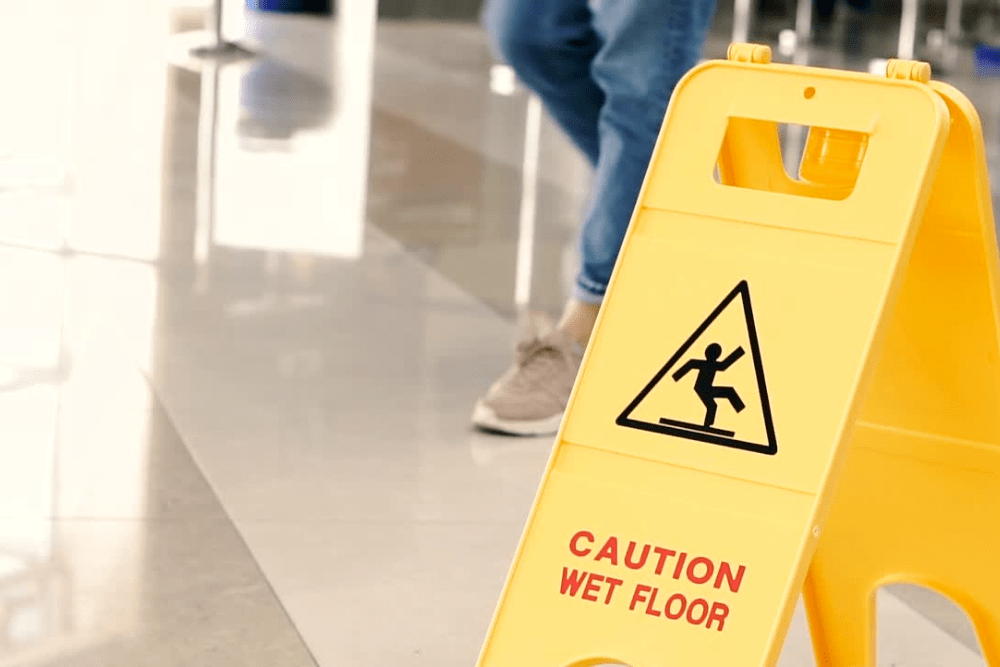
- Wet or Slippery Floors: Wet or slippery floors can cause slips and falls on elevators or escalators. Water, spilled drinks, or cleaning solutions can make the floors slick and dangerous, especially when combined with the movement of the elevator or escalator.
- Malfunctioning Equipment: Malfunctioning equipment is another common cause of slips and falls on elevators or escalators. Mechanical or electrical failures can cause sudden stops, jerking movements, or unexpected changes in speed, leading to falls or injuries.
- Uneven Steps or Stairs: Uneven steps or stairs can cause tripping or stumbling on escalators. Poor maintenance or defective equipment can cause steps to become loose, uneven, or damaged, making them unsafe for use.
- Inadequate Lighting: Inadequate lighting can make it difficult to see the steps or floor, increasing the risk of slips and falls on elevators or escalators.
Symptoms of Slips and Falls on Elevators or Escalators
The following are some common symptoms of slips and falls on elevators or escalators:
- Bruising or Swelling: Bruising or swelling may occur at the site of impact, indicating a soft tissue injury.
- Sprains or Strains: Sprains or strains can occur if ligaments or tendons are stretched or torn during a fall.
- Fractures or Dislocations: Fractures or dislocations can occur if bones are broken or displaced during a fall.
- Head or Spinal Cord Injuries: Head or spinal cord injuries can occur if the head or neck is impacted during a fall, leading to long-term consequences.
Treatment for Slips and Falls on Elevators or Escalators
The following are some common treatments for slips and falls on elevators or escalators:
- Rest and Ice: Rest and ice can help reduce swelling and pain after a slip or fall.
- Pain Management: Over-the-counter pain medications or prescription pain medications may be prescribed to manage pain.
- Physical Therapy: Physical therapy can help improve strength, flexibility, and range of motion after a slip or fall.
- Surgery: In severe cases, surgery may be necessary to repair fractures, dislocations, or other injuries.
Preventing Slips and Falls on Elevators or Escalators
The following are some tips for preventing slips and falls on elevators or escalators:
- Wear Appropriate Shoes: Wear shoes with non-slip soles and avoid high heels or shoes with smooth soles when using elevators or escalators.
- Hold on to the Handrail: Always hold on to the handrail when using an escalator or elevator to maintain balance and stability.
- Be Alert and Observant: Be aware of your surroundings and look for any potential hazards when using elevators or escalators.
- Report Any Malfunctions or Hazards: Report any malfunctions, hazards, or maintenance issues to the appropriate authority immediately to prevent accidents.
In conclusion, slips and falls on elevators or escalators can result in serious injuries that require medical attention and may lead to long-term consequences. Understanding the causes, symptoms, and treatments of slips and falls is important information to know while filing a legal claim.
Mendez and Sanchez are experienced slip and fall attorneys who can help victims of elevators and escalators accidents get the compensation they deserve. They have a deep understanding of the legal system and can navigate the complexities of insurance claims and settlements to ensure that their clients receive the maximum compensation for their injuries. They work tirelessly to protect the rights of their clients and provide compassionate support throughout the legal process.
If you have been injured in a slip and fall accident on an elevator or escalator, Mendez and Sanchez can help you recover damages for your injuries, medical expenses, lost wages, and pain and suffering. They will investigate the circumstances of your accident, determine liability, and build a strong case on your behalf. They have extensive experience representing clients in slip and fall cases and have a track record of success in securing favorable settlements and verdicts.
Mendez and Sanchez understand that slip and fall accidents can have serious and long-lasting consequences, including physical, emotional, and financial harm. They will work closely with you to understand the full extent of your injuries and the impact they have on your life. They will fight to ensure that you receive the compensation you deserve to cover your current and future expenses related to your injuries.
If you or a loved one has been injured in a slip and fall accident on an elevator or escalator, don't hesitate to contact Mendez and Sanchez for a free consultation. They will evaluate your case and provide you with the legal guidance and support you need to recover from your injuries and move forward with your life. With their expertise, Mendez and Sanchez can help you obtain the justice and compensation you deserve.
Frequently Asked Questions
Who is legally responsible if I slip and fall on a broken escalator at a mall in California?
In California, liability for escalator and elevator accidents typically falls on the property owner or the company responsible for maintaining the equipment, under the legal theory of premises liability established in California Civil Code Section 1714. Property owners have a duty of care to keep their premises reasonably safe for visitors, which includes ensuring elevators and escalators are properly inspected and maintained. Depending on the facts of your case, liability could extend to the escalator maintenance company, the manufacturer, or even a third-party cleaning crew — and in many California slip and fall cases, multiple parties share fault under the state's pure comparative negligence rule.
How long do I have to file a lawsuit after getting hurt on an elevator or escalator in California?
California gives you two years from the date of your injury to file a personal injury lawsuit under the statute of limitations set by California Code of Civil Procedure Section 335.1. However, if your accident happened on a government-owned property — such as an elevator in a county courthouse or public transit escalator — you must file a government tort claim within just six months of the injury under the California Government Claims Act (Government Code Section 911.2) before you can sue. Missing either of these deadlines typically means losing your right to compensation entirely, so it is critical to speak with a personal injury attorney as soon as possible after your accident.
What kind of compensation can I realistically recover from an escalator fall injury claim in California?
In California, victims injured in elevator or escalator accidents may be entitled to recover economic damages — including past and future medical expenses, lost wages, and reduced earning capacity — as well as non-economic damages such as pain and suffering, emotional distress, and loss of enjoyment of life. In cases involving especially reckless or deliberate misconduct by a property owner or maintenance company, punitive damages may also be available under California Civil Code Section 3294. Settlement values vary widely based on injury severity, but serious cases involving fractures, spinal injuries, or long-term disability have resulted in six- and seven-figure recoveries in California courts.
What should I do immediately after slipping and falling on an escalator at a shopping center?
First, seek medical attention right away — even if your injuries feel minor, some conditions like concussions or soft tissue damage are not immediately apparent, and documented medical records are essential to your legal claim. While still at the scene, report the accident to mall management and ask for a written incident report, take photos of the hazard that caused your fall (such as a wet step, broken comb plate, or malfunctioning handrail), and collect names and contact information from any witnesses. Avoid giving recorded statements to the property's insurance company before speaking with an attorney, as those statements can later be used to minimize your compensation.
Does it hurt my case if I wasn't holding the handrail when I fell on an escalator?
Not holding the handrail may reduce your compensation under California's pure comparative fault system, which is governed by Li v. Yellow Cab Co. (1975) and California Civil Code Section 1714 — but it does not bar you from recovering damages entirely. Under this rule, a jury assigns a percentage of fault to each party, and your total compensation is reduced by your percentage of responsibility. For example, if you are found 20% at fault for not holding the handrail and your damages total $100,000, you would still recover $80,000 — so even if you made a mistake, it is still very much worth pursuing your claim.
Are elevator and escalator owners in California required by law to have their equipment regularly inspected?
Yes — California has strict elevator and escalator safety regulations enforced by the California Department of Industrial Relations (DIR) under the California Elevator Safety Construction Act (Labor Code Sections 7300–7324.2), which requires conveyance equipment in public and commercial buildings to be permitted, inspected, and certified annually by a certified competent conveyance inspector. Property owners who fail to obtain current inspection permits or ignore required repairs are in direct violation of state law, which can serve as powerful evidence of negligence in a personal injury claim. If you were injured on an elevator or escalator that had a lapsed permit or outstanding violations, that documentation can significantly strengthen your case and increase the likelihood of a favorable settlement.
My elderly mother broke her hip on a wet elevator floor at her senior living facility in Los Angeles — is that considered negligence?
Yes, this situation very likely constitutes negligence under California premises liability law, and depending on the level of care your mother receives at the facility, it could also rise to the level of elder abuse under California Welfare and Institutions Code Section 15610.57, which defines neglect to include failure to maintain a safe environment for residents. Senior living facilities in California owe a heightened duty of care to their residents, and a wet elevator floor without proper warnings or prompt cleanup is a textbook example of breaching that duty. In Los Angeles County, cases involving elder injury at care facilities can carry substantial damages, including enhanced remedies available under the Elder Abuse and Dependent Adult Civil Protection Act — and we strongly encourage families in this situation to consult with an attorney immediately.