
Unique Challenges in Personal Injury Cases: Use of Drones
Whether you've been injured in an accident, are dealing with a personal injury claim, or facing another legal issue, Mendez & Sanchez APC is here to fight for you. Contact us today for a free, no-obligation consultation.
Call Us Now
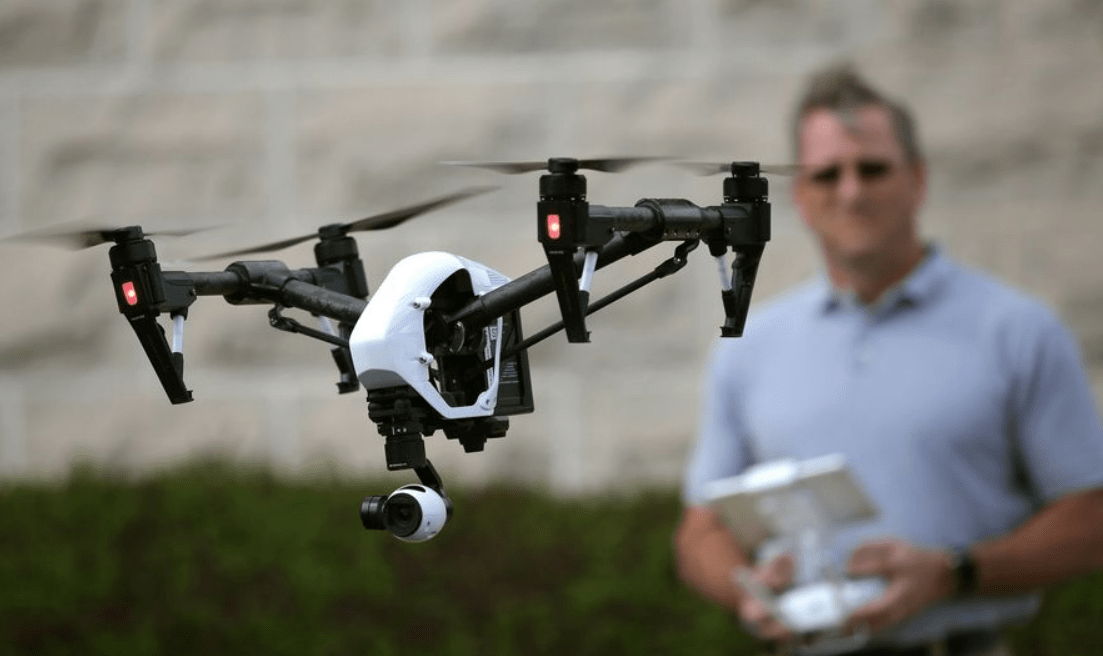
Drones have become increasingly popular for recreational purposes, providing individuals with the ability to capture stunning aerial footage, engage in racing competitions, or simply enjoy the thrill of flying a remote-controlled aircraft. However, with the rise in recreational drone usage, there has also been an uptick in personal injury cases related to their use. This article will explore the unique challenges faced in personal injury cases involving the recreational use of drones, including legal regulations, liability issues, privacy concerns, insurance coverage, evidence gathering, proving damages, criminal liability, emerging technologies, and more. Personal injury cases involving the recreational use of drones refer to legal disputes where individuals have suffered harm or injury due to the negligent or intentional actions of drone operators. As the popularity of drones continues to grow, so does the potential for accidents and injuries. Understanding the specific challenges associated with these cases is crucial for all parties involved, including victims, defendants, attorneys, and insurance companies.
Legal Regulations for Recreational Drones
Recreational drone usage is subject to various laws and regulations to ensure safety and protect the public. The Federal Aviation Administration (FAA) provides guidelines and rules for drone operators, including registration requirements, airspace restrictions, and operational limitations. Additionally, state and local governments may have their own specific regulations in place, which drone operators must adhere to. Understanding these regulations is essential when assessing liability in personal injury cases involving recreational drones.
Liability in Drone-Related Personal Injury Cases
Determining liability in personal injury cases involving drones can be complex. Various parties may potentially be held responsible, including the drone operator, manufacturer, retailer, property owner, and even the FAA in some instances. Factors such as negligence, intentional misconduct, product defects, and property ownership play a significant role in assessing liability. Each case must be evaluated individually, considering the circumstances and applicable laws.
Privacy Concerns and Invasion of Privacy
The recreational use of drones raises significant concerns regarding privacy rights. Drones equipped with cameras can inadvertently or deliberately invade individuals' privacy by capturing footage without consent or flying over restricted areas. Laws and regulations exist to protect individuals' privacy rights, striking a balance between recreational drone usage and personal privacy. However, interpreting and enforcing these laws can be challenging, leading to legal disputes in personal injury cases.
Insurance Coverage for Drone-Related Personal Injuries
Insurance coverage for personal injuries caused by recreational drones can be complex. Homeowner's insurance policies may provide some coverage, but they often have exclusions for aircraft-related incidents. Specialized drone insurance policies are available, catering specifically to drone operators. However, obtaining coverage for personal injury cases may still present challenges, particularly if the drone operator does not have adequate insurance or if the incident falls outside the policy's coverage limits.
Gathering Evidence in Drone-Related Personal Injury Cases
Collecting sufficient evidence is crucial in personal injury cases involving drones. This includes gathering drone flight data, video footage, witness statements, medical records, and expert opinions. Drone flight data can provide valuable insights into the flight path, altitude, and behavior of the drone at the time of the incident. Video footage captured by the drone or other sources can help establish liability and demonstrate the severity of injuries.
Unique Challenges in Proving Damages
Proving damages in personal injury cases involving drones can present unique challenges. Unlike traditional personal injury cases, the long-term implications of drone-related injuries may not be immediately apparent. Establishing the full extent of physical, emotional, and financial damages caused by drone accidents requires careful evaluation, expert testimony, and comprehensive medical documentation. Assessing the impact on the victim's quality of life is also crucial for determining appropriate compensation.
Criminal Liability and Recreational Drone Misuse
Recreational drone misuse can lead to criminal liability. Engaging in reckless behavior, such as flying drones in restricted airspace, invading private property, or intentionally causing harm, can result in criminal charges. Depending on the jurisdiction, penalties for drone-related offenses can range from fines to imprisonment. Prosecution in these cases serves as a deterrent to ensure responsible drone operation and protect public safety.
Emerging Technologies and Their Impact on Personal Injury Cases
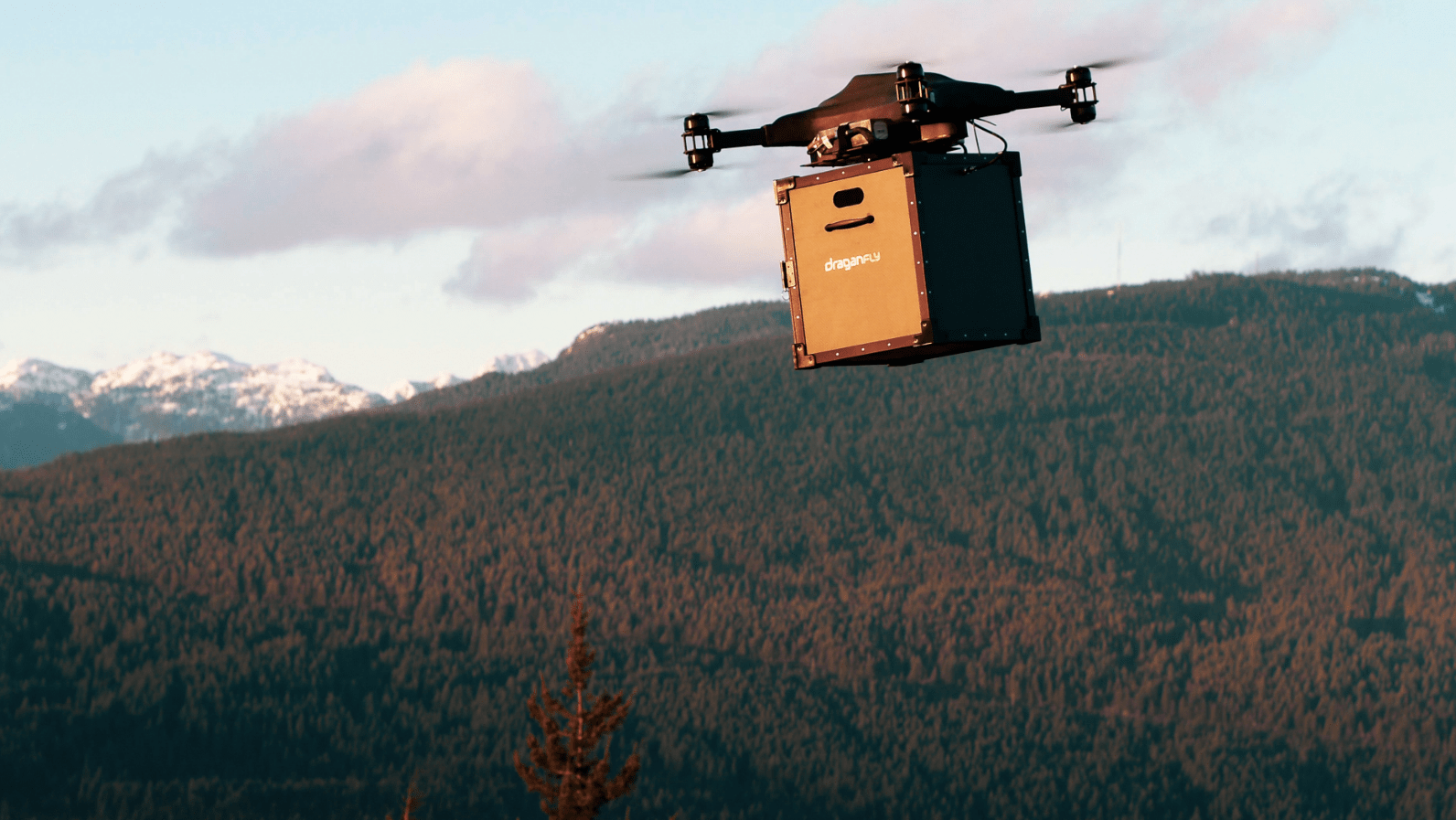
The rapid advancement of drone technology introduces new complexities to personal injury cases. Emerging technologies, such as autonomous drones and advanced collision avoidance systems, may have implications for liability, insurance coverage, and regulations. As the capabilities of drones continue to evolve, the legal landscape surrounding personal injury cases involving recreational drones will also undergo significant changes.
Conclusion
Personal injury cases involving the recreational use of drones pose unique challenges due to the complexities of liability, privacy concerns, insurance coverage, evidence gathering, damages, criminal liability, and emerging technologies. Navigating these challenges requires a comprehensive understanding of the legal framework, technological advancements, and the specific circumstances of each case. As recreational drone usage continues to grow, it is essential for individuals, drone operators, and legal professionals to stay informed and adapt to the evolving landscape of personal injury litigation.
Frequently Asked Questions
Someone's drone hit me at a park in California — can I actually sue them for my injuries?
Yes, you can sue the drone operator for negligence under California Civil Code Section 1714, which holds individuals liable for harm caused by their failure to exercise reasonable care. California also has a two-year statute of limitations for personal injury claims under Code of Civil Procedure Section 335.1, so it's important to act quickly. An attorney can help you identify all liable parties — which may include not just the operator but also the manufacturer if a product defect contributed to the crash.
What are the first steps I should take right after being injured by a drone in California?
Seek emergency medical care immediately, even if your injuries seem minor — documentation of treatment from day one is critical to your claim. While at the scene, photograph the drone, your injuries, and the surrounding area, and get the contact information of the operator and any witnesses. Under California law, your compensation can include medical expenses, lost wages, and pain and suffering, but building that case starts with evidence gathered in the hours right after the incident.
Will the drone operator's homeowner's insurance cover my injuries, or am I out of luck if they don't have a separate drone policy?
Many standard California homeowner's insurance policies exclude liability for aircraft, which the FAA classifies drones as, meaning the operator's home policy may deny your claim outright. However, some insurers do offer drone liability riders or standalone policies, and California's Insurance Code requires insurers to clearly disclose exclusions — so the operator's actual coverage depends heavily on their specific policy language. If the operator is uninsured or underinsured, a personal injury attorney can help you explore other avenues for recovery, including pursuing the manufacturer if a mechanical defect caused the crash.
How do privacy laws in California protect me if a neighbor's drone keeps recording my backyard without permission?
California has some of the strongest drone privacy protections in the country — Civil Code Section 1708.8 specifically prohibits using a drone to capture video, photos, or audio of a person in a private setting without consent, and victims can sue for both actual damages and up to three times their damages if the conduct was especially egregious. Additionally, California Penal Code Section 647(j) addresses criminal invasion of privacy, which means repeated or deliberate surveillance by drone could expose your neighbor to criminal charges, not just a civil lawsuit. If you are experiencing ongoing harassment, document every incident with dates, times, and any footage of the drone, and consult a personal injury attorney who can seek an injunction in addition to damages.
What's the biggest mistake people make that hurts their drone injury case in California?
The most common and damaging mistake is waiting too long to consult an attorney — drone flight logs, SD card footage, and eyewitness memories all degrade or disappear quickly, and California's two-year statute of limitations under CCP 335.1 can feel generous until it suddenly isn't. A close second is accepting an early settlement offer from an insurance company before understanding the full extent of your injuries, which may include ongoing treatment, surgery, or lost earning capacity that isn't apparent in the first few weeks. Contacting a California personal injury attorney early preserves your evidence, protects your rights, and ensures you are not leaving significant compensation on the table.