
Unfinished Construction Accidents: Personal Injuries Remedies
Whether you've been injured in an accident, are dealing with a personal injury claim, or facing another legal issue, Mendez & Sanchez APC is here to fight for you. Contact us today for a free, no-obligation consultation.
Call Us Now
Unfinished Construction Accidents: Seeking Legal Remedies for Personal Injuries
Construction sites, with their heavy machinery, unfinished structures, and ongoing activities, can be hazardous environments. Unfortunately, accidents happen, and when they occur in unfinished construction projects, the consequences can be severe. This article explores the legal aspects of unfinished construction accidents and provides insights into seeking compensation for personal injuries sustained in such incidents.
Table of Contents
- Unfinished Construction Accidents: Seeking Legal Remedies for Personal Injuries
- Understanding Unfinished Construction Accidents
- The Legal Implications
- Types of Personal Injuries in Unfinished Construction Accidents
- Seeking Compensation for Personal Injuries
- The Importance of Legal Representation
- Steps to Take After an Unfinished Construction Accident
- Statute of Limitations and Filing Deadlines
- Conclusion
Understanding Unfinished Construction Accidents
Defining unfinished construction projects
Unfinished construction projects refer to worksites where construction activities have begun but are yet to be completed. These sites are characterized by partially constructed buildings, exposed structures, loose materials, and potential hazards that can pose risks to workers and visitors.
Common causes of accidents in unfinished construction sites
Numerous factors contribute to accidents in unfinished construction sites. Some common causes include inadequate safety measures, unstable structures, lack of warning signs, negligence by contractors or subcontractors, faulty equipment, and insufficient training for workers. Identifying these causes is crucial in determining liability for personal injuries.
The Legal Implications
When an accident occurs in an unfinished construction site, multiple parties may be held responsible for the resulting injuries.
Responsibility of the property owner/developer
The property owner or developer is responsible for ensuring a safe working environment. They have a duty to maintain the premises, implement safety protocols, provide adequate training, and inspect the construction site regularly. Failure to fulfill these responsibilities may lead to liability for any injuries sustained on the property.
Liability of contractors and subcontractors
Contractors and subcontractors hired to work on the construction project also bear responsibility for maintaining safety standards. They must adhere to local regulations, provide appropriate safety equipment, and supervise their workers to prevent accidents. If their negligence or noncompliance contributes to an accident, they may be held liable for resulting injuries.
Types of Personal Injuries in Unfinished Construction Accidents
Accidents in unfinished construction sites can result in various types of personal injuries. It's essential to understand the potential risks involved to pursue the appropriate legal remedies.
Falls and slip-and-fall accidents
Uneven surfaces, slippery floors, unprotected edges, and inadequate safety barriers can lead to falls and slip-and-fall accidents. These accidents can cause broken bones, head injuries, sprains, and other severe injuries.
Falling objects and debris
Unfinished construction sites often have loose materials, tools, and equipment that can fall from heights and injure workers or bystanders. These accidents can result in head injuries, fractures, lacerations, and even fatalities.
Electrocution and electrical accidents
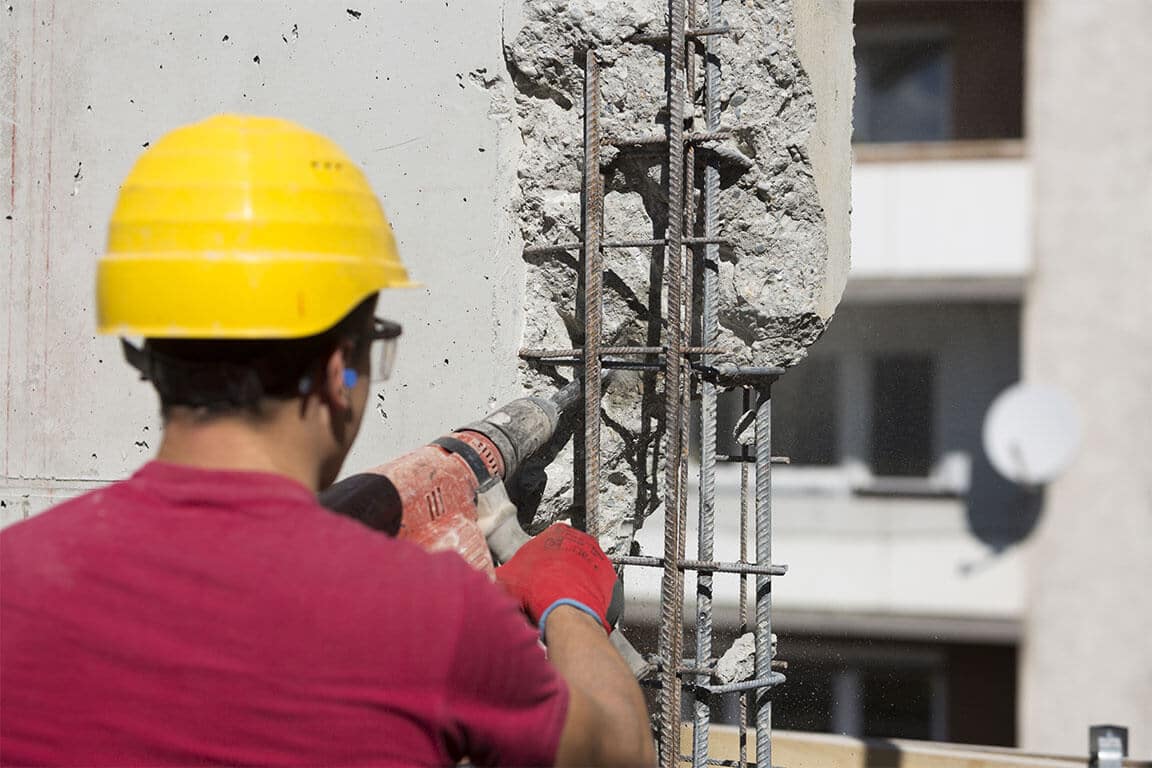
Exposed wiring, incomplete electrical installations, or faulty equipment can lead to electrocution and electrical accidents. These incidents can cause severe burns, electric shocks, and long-term neurological damage.
Equipment-related injuries
Unfinished construction sites involve the use of heavy machinery and equipment. Accidents involving equipment malfunction, improper operation, or lack of training can result in crush injuries, amputations, and severe trauma.
Toxic exposure
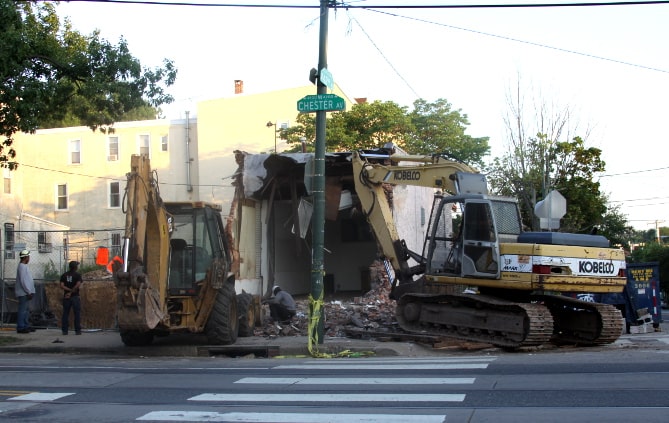
Unfinished construction projects may expose workers to hazardous substances such as asbestos, lead, or toxic chemicals. Prolonged exposure to these substances can lead to respiratory problems, organ damage, and long-term health complications.
Seeking Compensation for Personal Injuries
If you've sustained personal injuries in an unfinished construction accident, there are several avenues for seeking compensation.
Workers' compensation
In many cases, injured workers may be entitled to workers' compensation benefits. Workers' compensation provides medical coverage, wage replacement, and rehabilitation services for employees injured on the job. It is essential to report the accident promptly and follow the necessary procedures to access these benefits.
Third-party liability claims
In addition to workers' compensation, injured individuals may have grounds for third-party liability claims. If a party other than the employer contributed to the accident, such as a contractor or equipment manufacturer, you may be eligible for additional compensation beyond workers' compensation benefits.
Negligence claims
Proving negligence is a crucial aspect of personal injury cases in unfinished construction accidents. By demonstrating that a responsible party breached their duty of care, resulting in your injuries, you may pursue a negligence claim. Successful negligence claims can result in compensation for medical expenses, pain and suffering, lost wages, and other damages.
The Importance of Legal Representation
Navigating the legal complexities of unfinished construction accidents requires expert guidance. Hiring a personal injury lawyer specializing in construction accidents can significantly impact the outcome of your case.
Gathering evidence and documentation
An experienced attorney will help you gather crucial evidence, such as accident reports, medical records, witness statements, and photographic evidence. Thorough documentation strengthens your claim and supports your pursuit of fair compensation.
Negotiating with insurance companies
Insurance companies may attempt to minimize payouts or deny claims altogether. A skilled attorney can negotiate on your behalf, ensuring that you receive the compensation you deserve and protecting your rights throughout the process.
Steps to Take After an Unfinished Construction Accident
If you find yourself involved in an unfinished construction accident, it's important to take specific steps to protect your well-being and strengthen your legal case.
- Seeking medical attention: Prioritize your health by seeking immediate medical attention for your injuries. Prompt medical care not only safeguards your well-being but also creates a record of your injuries.
- Reporting the incident: Report the accident to the appropriate authorities, such as your employer, the construction site supervisor, or the Occupational Safety and Health Administration (OSHA). Filing an incident report ensures that there is an official record of the accident.
- Documenting the scene: If possible, document the accident scene by taking photographs or videos. Include any visible hazards, injuries, or conditions that may have contributed to the accident.
- Notifying the appropriate authorities: If the accident resulted from negligence, hazardous conditions, or violations of safety regulations, inform the local building department or other relevant regulatory agencies.
Statute of Limitations and Filing Deadlines
When pursuing legal action for personal injuries in unfinished construction accidents, it's crucial to understand the statute of limitations and filing deadlines.
The statute of limitations establishes the time limit within which a lawsuit must be filed. Failing to file within this period can result in the loss of your right to seek compensation. Consult with an attorney to determine the specific deadlines applicable to your case.
Conclusion
Unfinished construction accidents can lead to devastating personal injuries. Understanding the legal implications, seeking appropriate compensation, and engaging the services of a skilled personal injury attorney are essential steps in protecting your rights and pursuing fair restitution. By taking prompt action and following the necessary procedures, you can navigate the complex legal landscape and work towards a favorable outcome.
Frequently Asked Questions
I was partly at fault for my construction site accident in California — does that mean I can't recover anything?
No, partial fault does not bar you from recovering compensation in California. Under California's pure comparative negligence rule (established in Li v. Yellow Cab Co. and codified in practice under Civil Code Section 1714), you can still recover damages even if you were 99% at fault — your award is simply reduced by your percentage of fault. For example, if a jury finds you 30% responsible for a $200,000 injury, you would still receive $140,000. An experienced California construction accident attorney can help gather evidence to minimize the fault attributed to you and maximize your recovery.
The construction project where I got hurt has been completely abandoned — can I still sue someone for my injuries?
Yes, abandonment of a construction project does not erase legal liability in California. The property owner remains liable under California Civil Code Section 1714 for maintaining a reasonably safe premises, and contractors or subcontractors may still be pursued for negligence based on conditions they created before walking off the job. You have two years from the date of your injury to file a personal injury lawsuit under California Code of Civil Procedure Section 335.1, so acting quickly is critical — especially since locating and serving defendants on abandoned projects can take time. A California construction accident attorney can conduct a title search and contractor license lookup through the CSLB to identify all responsible parties.
My workers' comp claim got denied after my construction accident in California — what are my options now?
A denial is not the end of the road — California law gives injured workers the right to appeal through the Workers' Compensation Appeals Board (WCAB), and you generally have one year from the date of injury or denial to file an Application for Adjudication of Claim under California Labor Code Section 5405. Many denials are overturned on appeal, particularly when supported by independent medical evaluations and documented accident reports. Importantly, if a third party — such as a subcontractor, equipment manufacturer, or property owner — contributed to your injury, you may also pursue a separate civil lawsuit under Labor Code Section 3852 in addition to your workers' comp benefits, potentially recovering damages for pain and suffering that workers' comp does not cover.
How long do these unfinished construction accident cases usually take to settle or go to trial in California?
Most California construction accident cases settle within 12 to 24 months, though complex cases involving multiple defendants — such as a general contractor, subcontractor, and equipment manufacturer — can take three years or longer, especially if litigation proceeds to trial in a busy county like Los Angeles or Alameda. Cases that go through the Workers' Compensation Appeals Board can add additional time if parallel civil claims are also being pursued. California's mandatory settlement conferences and court-ordered mediation often help move cases toward resolution before trial. The more severe and documented your injuries are, the stronger your leverage in settlement negotiations, which is why early medical treatment and detailed recordkeeping matter enormously.
Does being an independent contractor instead of an employee change my rights after a construction accident in California?
Being classified as an independent contractor does limit your access to workers' compensation benefits, but it does not leave you without legal recourse in California. You can file a third-party negligence claim against the general contractor, property owner, or any subcontractor whose unsafe conditions or actions caused your injury under California Civil Code Section 1714 — and you are not limited to the wage-replacement caps that bind workers' comp claims, meaning you can recover full damages including pain and suffering, lost earning capacity, and future medical costs. It is also worth noting that California courts and the Labor Commissioner apply strict tests — including AB 5's ABC test under Labor Code Section 2775 — to determine whether a worker was genuinely an independent contractor or was misclassified, and many construction workers labeled as contractors are legally entitled to employee protections. A California personal injury attorney can evaluate both your classification status and your third-party liability options to pursue the maximum compensation available.