
School-Related Car Accidents: What You Need to Know
Whether you've been injured in an accident, are dealing with a personal injury claim, or facing another legal issue, Mendez & Sanchez APC is here to fight for you. Contact us today for a free, no-obligation consultation.
Call Us Now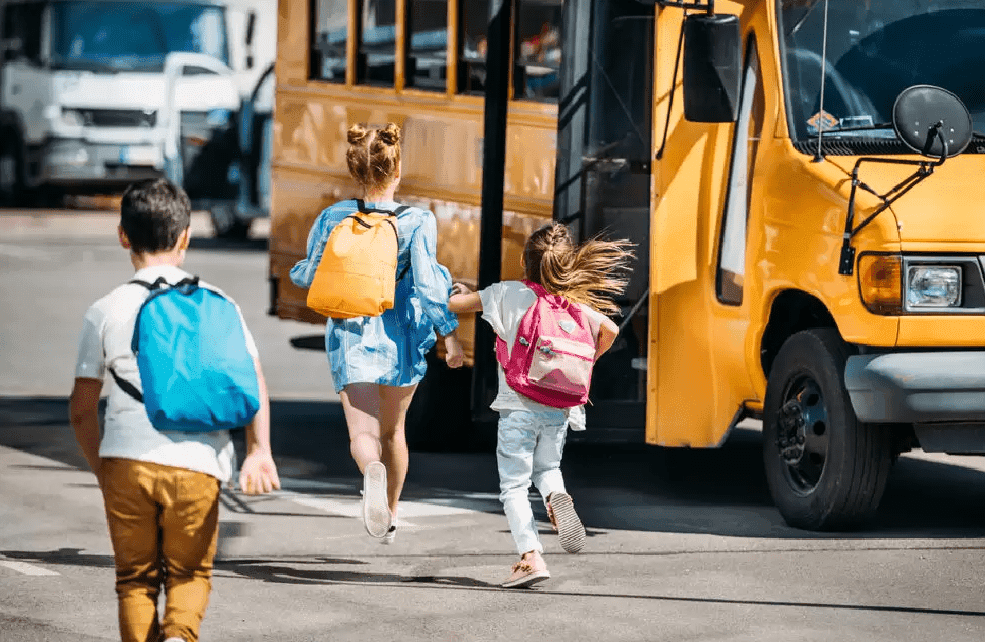
Car accidents are a common occurrence on roads, highways, and intersections, bus accidents involving school buses, pedestrians, and student drivers can be especially devastating. According to the National Highway Traffic Safety Administration (NHTSA), school buses are the safest mode of transportation for students, but accidents still occur, often with serious consequences. In this article, we will explore the causes and effects of school-related car accidents, as well as provide tips on how to prevent them.
Causes of School-Related Car Accidents
Distracted Driving: Distracted driving is one of the leading causes of car accidents, including those that involve school buses and student drivers. Drivers who are texting, talking on the phone, eating, or engaging in other distracting activities are more likely to cause accidents.
Speeding: Speeding is another common cause of school-related car accidents. When drivers exceed the speed limit or fail to adjust their speed in school zones, they are more likely to collide with other vehicles, pedestrians, or bicyclists.
Drunk Driving: Driving under the influence of drugs or alcohol is a dangerous and illegal activity that can result in serious accidents, injuries, or fatalities. Unfortunately, some drivers choose to drink and drive, especially during school events, such as football games or proms.
Fatigue: Fatigue can impair a driver's judgment, reaction time, and attention, making them more prone to accidents. This is especially true for student drivers who may be tired after staying up late studying or attending school events.
Poor Weather Conditions: Rain, fog, snow, and ice can create hazardous driving conditions, making it difficult for drivers to see or control their vehicles. When combined with speeding or other risky behaviors, poor weather conditions can increase the risk of school-related car accidents.

Types of School-Related Car Accidents
School Bus Accidents: School buses are designed to be safe and secure for students, but accidents can still happen. Common types of school bus accidents include collisions with other vehicles, pedestrian accidents, and accidents caused by mechanical failures or driver error.
Pedestrian Accidents: Pedestrian accidents involving students can occur in school zones, crosswalks, or sidewalks. Drivers who fail to yield to pedestrians or who are distracted or impaired can cause serious injuries or fatalities.
Student Driver Accidents: Student drivers who are still learning to drive can be involved in accidents due to lack of experience or judgment. These accidents can occur in school parking lots, on the road, or during driving lessons.
Carpool Accidents: Carpooling can be a convenient and cost-effective way for students to get to school, but accidents can happen when drivers are distracted or negligent. It is important for carpool drivers to follow traffic laws and safety guidelines.
Effects of School-Related Car Accidents
Physical Injuries: School-related car accidents can result in a range of physical injuries, including broken bones, head injuries, spinal cord injuries, and internal injuries. These injuries can require medical treatment, hospitalization, and rehabilitation, and can have long-lasting effects on a student's health and well-being.
Emotional Trauma: Car accidents can also cause emotional trauma, including post-traumatic stress disorder (PTSD), anxiety, and depression. Students who are involved in car accidents may also experience fear or anxiety about driving or riding in vehicles in the future.
School-related car accidents can have devastating effects on students, families, and communities. While some accidents are unavoidable, many can be prevented through education, awareness, and safe driving practices. By understanding the causes and effects of school-related car accidents, we can take steps to prevent them and keep our students safe.
One of the most important steps in preventing school-related car accidents is education. Students should be taught safe driving practices, including the dangers of distracted driving, speeding, and driving under the influence of drugs or alcohol. Parents and caregivers should also be educated on the importance of following traffic laws and safety guidelines when driving their children to school or participating in carpooling.
Another important step is awareness. Drivers should always be alert and cautious when driving in school zones, near bus stops, and around pedestrians. They should also be aware of weather conditions and adjust their driving accordingly. Students and pedestrians should also be aware of their surroundings and take precautions to ensure their safety.

Finally, safe driving practices are crucial in preventing school-related car accidents. This includes obeying traffic laws, avoiding distractions while driving, and driving defensively. Drivers should also ensure that their vehicles are in good working condition, especially if they are transporting students or participating in carpooling.
In conclusion, school-related car accidents are a serious issue that requires education, awareness, and safe driving practices to prevent. By working together, we can ensure that our students arrive at school safely and that our roads and communities are safe for everyone.
Frequently Asked Questions
My child was hit by a car near their school in California — who can I sue?
In California, you may be able to file a claim against the negligent driver, and in some cases against additional parties like the school district, a carpool driver, or even a government entity responsible for poorly designed crosswalks or school zones. If a government entity is involved — such as a city or school district — you must file a government tort claim within just 6 months of the incident under California Government Code Section 911.2, which is much shorter than the standard deadline. An experienced personal injury attorney can help identify every responsible party so your family receives the full compensation your child deserves.
How long do I have to file a lawsuit after a school bus accident in California?
For most California school bus accidents involving a private party or driver, the statute of limitations is 2 years from the date of the accident under California Code of Civil Procedure Section 335.1. However, if the school bus was operated by a public school district — which is extremely common in California — you must first file a government tort claim within 6 months of the accident under Government Code Section 911.2 before you can sue. Missing either of these deadlines can permanently bar your right to recover compensation, so it's critical to consult an attorney as soon as possible after the accident.
What kind of compensation can my family get if a student driver caused an accident that injured my kid?
If a student driver's negligence injured your child, your family may be entitled to compensation for medical bills, future medical care, pain and suffering, emotional trauma, and any lost wages if a parent had to take time off work to care for the injured child. In California, liability for a minor student driver typically extends to the driver's parents or guardians under Vehicle Code Section 17707, which makes parents jointly liable for damages caused by their minor child's negligent driving. Depending on the severity of your child's injuries, settlements in these cases can range from tens of thousands to well over a million dollars.
Can I still recover damages if my child was partly at fault for the school zone accident?
Yes — California follows a pure comparative negligence rule under Civil Code Section 1714, which means your child can still recover compensation even if they were partially at fault for the accident. Your total damages award would simply be reduced by your child's percentage of fault; for example, if your child was found 20% at fault and total damages were $100,000, you would recover $80,000. This is one of the most plaintiff-friendly fault standards in the country, and it means you should never assume your case has no value just because your child may have played some role in the accident.
What are the biggest mistakes parents make after their child is injured in a school-related car accident in California?
The most damaging mistake parents make is waiting too long to take legal action, especially when a government entity like a school district is involved, since the claim window is only 6 months under California Government Code Section 911.2. Another common mistake is speaking directly with the at-fault driver's insurance company without legal representation — insurance adjusters are trained to minimize payouts, and anything you say can be used to reduce your child's settlement. Finally, many parents fail to document the full scope of emotional trauma and academic disruption their child experiences after the accident, which can significantly reduce the compensation they recover.
Is a school district in California automatically responsible if a student gets hurt in a school bus accident?
Not automatically — to hold a California school district liable, you generally need to prove that the district, its driver, or its employees were negligent, such as by failing to maintain the bus, hiring an unqualified driver, or violating California Education Code safety requirements. California school districts are public entities, so claims against them are governed by the California Government Claims Act, which requires you to file a formal claim with the district within 6 months before pursuing a lawsuit. That said, school districts in Los Angeles, San Diego, and other major California counties have faced significant liability in bus accident cases, and with the right legal representation, families can and do recover substantial compensation.
A carpool driver caused a car accident dropping kids off at school and my son was seriously injured — does my homeowner's insurance or their auto insurance cover this?
In most California carpool accident situations, the at-fault driver's personal auto insurance policy is the primary source of coverage, and California law requires all drivers to carry minimum liability coverage of $15,000 per person and $30,000 per accident under Vehicle Code Section 16056 — though these minimums are often far too low to cover serious injuries. If the at-fault driver's policy limits are insufficient, your own underinsured motorist (UIM) coverage may kick in to fill the gap, which is why California attorneys strongly recommend carrying robust UIM coverage. In some cases, if the carpool was organized through a school or community program, the organizing entity may also share liability, so it's worth having an attorney review all potential coverage sources.