
Pedestrian Safety Tips for Parades: Accident-Free Celebrations
Whether you've been injured in an accident, are dealing with a personal injury claim, or facing another legal issue, Mendez & Sanchez APC is here to fight for you. Contact us today for a free, no-obligation consultation.
Call Us Now
Parades are joyful events that bring communities together to celebrate various occasions. However, amidst the excitement and festivities, it's essential to prioritize safety, particularly for pedestrians. Pedestrian accidents in parades can occur if proper precautions are not taken, potentially leading to injuries or even fatalities. In this article, we will explore the importance of safety in parades and provide valuable tips to ensure a safe experience for everyone involved. Parades are known for their vibrant floats, lively music, and enthusiastic participants. They attract large crowds of people who line the streets to witness the spectacle. However, with the increased number of pedestrians, the risk of accidents also rises. It is crucial to take proactive measures to minimize these risks and create a safe environment for everyone.
Importance of Safety in Parades
Ensuring safety in parades is of utmost importance. By implementing safety measures, we can protect both participants and spectators from potential harm. Safety precautions also help in maintaining the smooth flow of the parade and preventing disruptions caused by accidents. It is the responsibility of both organizers and attendees to prioritize safety at all times.
Understanding Pedestrian Accidents in Parades
Pedestrian accidents in parades can occur due to various factors, such as distracted driving, inadequate traffic control, or lack of awareness among participants and spectators. It's important to be aware of these risks and take steps to mitigate them effectively.
Distracted Driving
Drivers distracted by the parade or other festivities can pose a significant risk to pedestrians. It's crucial for drivers to remain focused on the road and refrain from any distractions that may divert their attention away from pedestrians.
Inadequate Traffic Control
Insufficient traffic control measures can lead to chaos during parades, making it difficult for pedestrians to navigate safely. Proper barricades, signs, and volunteers should be in place to guide traffic and ensure pedestrian safety.
Lack of Awareness
Participants and spectators who are unaware of the potential risks may inadvertently contribute to accidents. Educating everyone about parade safety and emphasizing the importance of following guidelines can significantly reduce the occurrence of accidents.
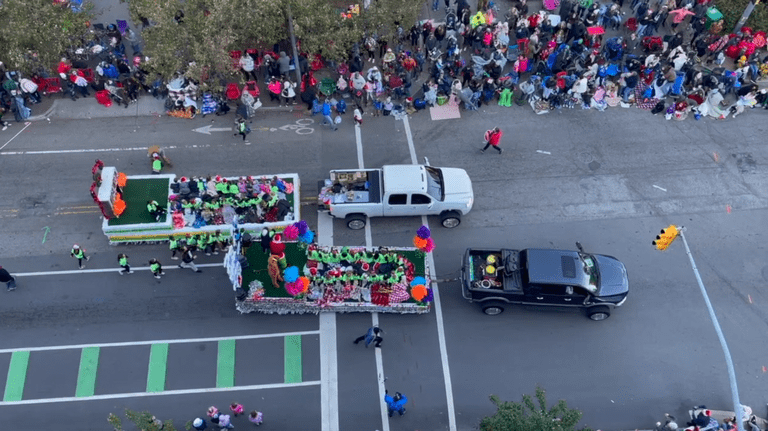
Safety Tips for Pedestrians
As pedestrians, there are several steps we can take to ensure our safety during parades:
Find a Safe Viewing Spot
Choose a designated viewing area away from the parade route to minimize the risk of being in the direct path of floats or vehicles.
Stay Alert and Focused
Pay attention to your surroundings and stay alert at all times. Avoid using electronic devices or headphones that may distract you from potential dangers.
Follow Designated Crosswalks
When crossing the street, always use designated crosswalks and follow traffic signals. Avoid jaywalking or crossing in front of moving vehicles.
Keep a Safe Distance
Maintain a safe distance from floats, vehicles, and performers to avoid accidents caused by sudden movements or objects extending from the parade.
Safety Tips for Organizers
Parade organizers play a vital role in ensuring the safety of all participants and spectators. Here are some essential safety tips for organizers:
Develop a Comprehensive Safety Plan
Create a detailed safety plan that includes traffic control measures, emergency protocols, and guidelines for participants. Regularly review and update this plan as necessary.
Provide Clear Instructions to Participants
Communicate clear instructions to participants regarding safety guidelines, parade route, and designated areas. Ensure that all participants are aware of their roles and responsibilities in maintaining a safe environment.
Adequate Security and Volunteers
Have sufficient security personnel and volunteers to monitor the parade route and assist in traffic control. They should be trained in handling emergency situations and providing first aid, if necessary.
Safety Tips for Drivers
Drivers have a crucial responsibility to prioritize pedestrian safety during parades. Here are some tips for drivers to follow:
Be Vigilant and Patient
Remain vigilant and patient while driving near parade routes. Expect delays and be prepared for changes in traffic patterns. Avoid aggressive driving behavior that may endanger pedestrians.
Follow Traffic Instructions
Pay close attention to traffic instructions given by volunteers and law enforcement officers. Observe posted signs and be considerate of pedestrians crossing the street.
Avoid Impairment
Never drive under the influence of alcohol or drugs. Impaired driving puts both pedestrians and drivers at risk.
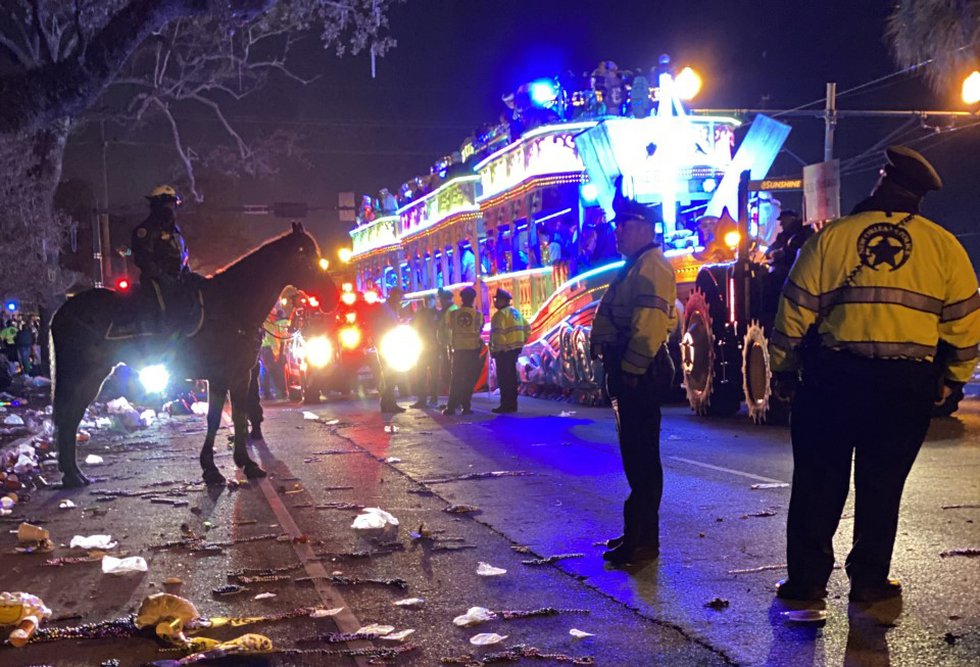
Ensuring Emergency Preparedness
Despite taking necessary precautions, emergencies can still occur. It is essential to be prepared for such situations:
Emergency Contacts
Display emergency contact numbers prominently along the parade route. Ensure that participants and spectators know how to reach emergency services if needed.
First Aid Stations
Set up first aid stations along the parade route staffed with trained personnel who can provide immediate medical assistance if required.
Teaching Children about Parade Safety
Parades are often attended by families with children. Educating children about parade safety is crucial to ensure their well-being:
Hold Hands
Remind children to hold hands with an adult or stay close to them at all times.
Explain Road Safety
Teach children about the importance of road safety, including looking both ways before crossing the street and following traffic signals.
Promoting Awareness and Education
Promoting awareness and educating the community about parade safety is essential for preventing accidents. Some ways to achieve this include:
Publicize Safety Guidelines
Use various communication channels to publicize safety guidelines before the parade, including social media, local newspapers, and community websites.
Community Workshops
Organize workshops or training sessions on parade safety for participants, volunteers, and the public to enhance awareness and knowledge.
Conclusion
Parades offer an excellent opportunity for communities to come together and celebrate. However, it's crucial to prioritize safety to ensure a positive and accident-free experience. By following the provided safety tips for pedestrians, organizers, and drivers, we can significantly reduce the risk of pedestrian accidents in parades and create an atmosphere of joy and safety for everyone involved.
Frequently Asked Questions
Someone got hurt at a parade I was at — what should I do right now if I witnessed the accident?
Call 911 immediately and stay on the scene until law enforcement arrives, as your witness statement could be critical to any future personal injury claim. Under California Evidence Code Section 1151, subsequent remedial measures by the organizer can sometimes be used to establish control or ownership, making early documentation valuable — so photograph the scene, the hazard, and any injured parties if it is safe to do so. Get the names and contact information of other witnesses before the crowd disperses, because California's 2-year statute of limitations under Code of Civil Procedure 335.1 means evidence gathered in the first hours can make or break a case filed months later.
Are parade organizers in California actually required by law to follow specific safety rules, or is it just best practice?
In California, parade organizers have legally enforceable duties of care under general negligence principles rooted in California Civil Code Section 1714, which holds that every person is responsible for injuries caused by their want of ordinary care. Beyond that, local municipalities — such as the City of Los Angeles or the City of San Francisco — issue parade permits that attach specific safety conditions as binding requirements, including crowd control ratios, barricade placement, and emergency access corridors. Organizers who use paid staff must also comply with California Labor Code Section 6400, which requires employers to provide a safe workplace, and violations of these permit conditions can be used as evidence of negligence per se in a personal injury lawsuit.
How do I report unsafe parade conditions or a safety violation in California before or after someone gets hurt?
You can report unsafe parade conditions to the local agency that issued the parade permit — typically the city's Special Events Office, the county Sheriff, or the local police department, all of which have authority to suspend or revoke a permit mid-event for safety non-compliance. In Los Angeles County, for example, you would contact the Los Angeles County Sheriff's Special Enforcement Bureau or the relevant city's Office of Special Events. If the hazard involves a public road or barrier failure, you can also file a complaint with the California Department of Transportation (Caltrans) or submit a written claim to the local public entity under California Government Code Section 910, which is required before suing any government agency and must typically be filed within 6 months of the incident.
I want to bring my dog to a Fourth of July parade in California — is that allowed, and who is liable if my dog bites someone?
Whether pets are permitted depends entirely on the local municipality's parade permit conditions and any applicable city ordinances — for instance, cities like San Diego and Sacramento often restrict animals in densely permitted event corridors, so always check with the issuing Special Events Office before attending. If your dog bites someone at a parade, California Civil Code Section 3342 imposes strict liability on dog owners, meaning you can be held responsible for the bite even if your dog has never shown aggression before and regardless of whether you took precautions. This strict liability applies in any public place or any lawfully accessed private location, and a parade route is almost always considered a public place, so California dog owners should carry liability insurance and keep pets on a short leash in crowded environments.
Can I volunteer as a safety marshal at a California parade, and could I personally be sued if someone gets hurt on my watch?
Yes, most California parade organizers actively recruit safety marshals through their local Special Events Office or nonprofit co-sponsors, and training is typically provided as a condition of the permit. As a volunteer, you have meaningful legal protection under the California Volunteer Protection Act (California Corporation Code Section 14310 et seq.), which generally shields uncompensated volunteers acting within the scope of their duties from personal liability for ordinary negligence — though protection does not extend to gross negligence or willful misconduct. To maximize your protection, always act within the specific instructions given during your safety briefing, wear your official identification, and document any hazards you report to the event coordinator in real time, as this paper trail demonstrates you fulfilled your duty of care.