
Elbow Injuries in Car Accidents
Whether you've been injured in an accident, are dealing with a personal injury claim, or facing another legal issue, Mendez & Sanchez APC is here to fight for you. Contact us today for a free, no-obligation consultation.
Call Us Now
Table of Contents
- Introduction
- Anatomy of the Elbow
- Common Types of Elbow Injuries in Car Accidents
- Fractures
- Dislocations
- Tendinitis
- Epicondylitis
- Bursitis
- Nerve damage
- Sprains and Strains
- How a Lawyer can help you in Elbow Injury Cases
- Assessing your case
- Gathering Evidence
Car accidents are a common cause of various types of injuries, including elbow injuries. The elbow joint is essential for arm movement and is composed of bones, muscles, tendons, and ligaments. In a car accident, the sudden impact can cause significant trauma to the elbow, resulting in a range of injuries, from minor sprains to severe fractures. This article discusses the common types of elbow injuries that can occur in car accidents, their causes, treatments, and legal options available to victims.
Introduction
Car accidents can result in significant injuries, including those to the elbow. Elbow injuries can be painful and debilitating, affecting a person's ability to work, perform daily activities, and enjoy life. In addition to physical pain, elbow injuries can also cause financial stress due to medical bills, lost wages, and other expenses. If you have suffered an elbow injury in a car accident, it is crucial to understand your legal options and the compensation you may be entitled to.
Anatomy of the Elbow
The elbow joint is a complex joint that connects the upper arm bone (humerus) to the forearm bones (radius and ulna). The elbow joint is composed of three bones, muscles, tendons, and ligaments. The bones are held together by strong bands of tissue called ligaments, while the tendons connect muscles to bones. The muscles around the elbow joint are responsible for moving the arm, forearm, and hand.
Types of Elbow Injuries in Car Accidents
Car accidents can cause various elbow injuries, including fractures, dislocations, and soft tissue injuries. Here are some of the most common elbow injuries that can occur in car accidents:
Fractures
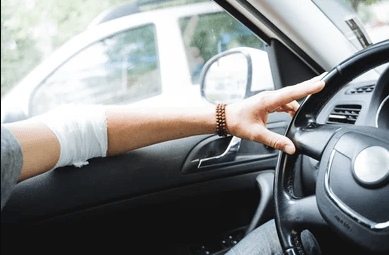
Fractures are a common type of elbow injury in car accidents. A fracture occurs when a bone in the elbow joint breaks. Fractures can range from minor cracks to severe breaks, which may require surgery.
Humerus Fracture
A humerus fracture occurs when the bone in the upper arm breaks. This type of injury can be severe and may require surgery to fix. It can also lead to long-term disabilities.
Radial Head Fracture
A radial head fracture occurs when the bone at the top of the radius (one of the forearm bones) breaks. This type of injury can cause pain, swelling, and reduced mobility in the elbow.
Olecranon Fracture
An olecranon fracture occurs when the bony tip of the elbow breaks. This type of injury can be painful and may require surgery.
Dislocations
A dislocation occurs when the bones in the elbow joint are forced out of position. Dislocations can be partial or complete, and they can cause significant pain, swelling, and difficulty moving the arm.
Tendinitis
Tendinitis is the inflammation of the tendons that attach muscles to bones. It can cause pain, swelling, and reduced mobility in the elbow.
Epicondylitis
Epicondylitis, also known as tennis elbow or golfer's elbow, is the inflammation of the tendons that attach to the lateral or medial epicondyle of the elbow. This type of injury can cause pain and reduced grip strength.
Bursitis
Bursitis is the inflammation of the bursae, small fluid-filled sacs that cushion the bones, tendons, and muscles near the joints. It can cause pain, swelling, and reduced mobility in the elbow.
Nerve Damage
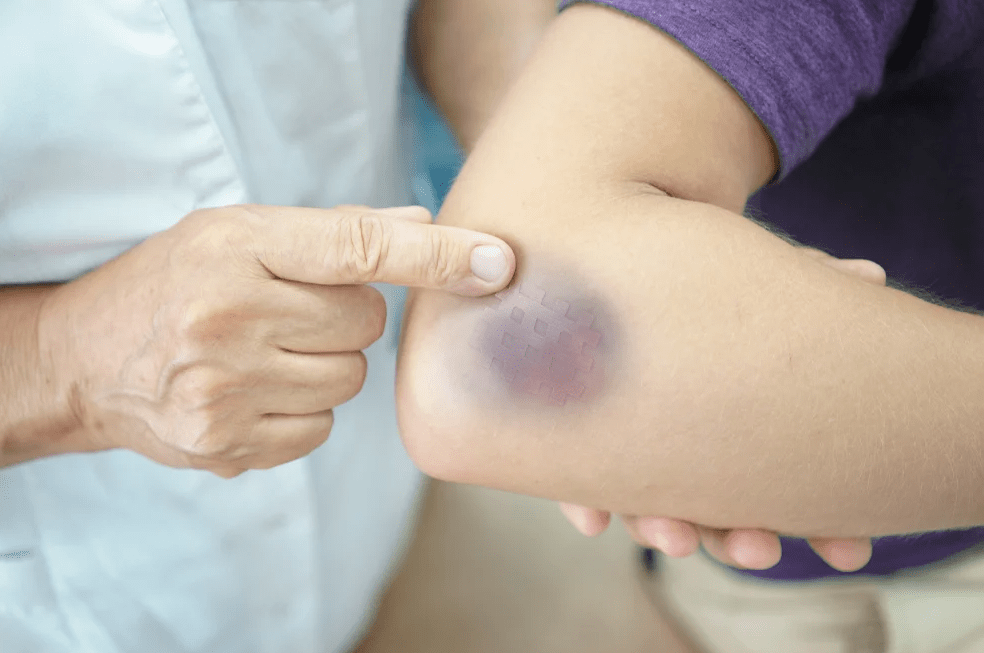
Car accidents can also cause nerve damage in the elbow. Nerve damage can cause pain, numbness, tingling, and muscle weakness in the affected area.
Sprains and Strains
Sprains and strains are injuries to the ligaments and muscles in the elbow joint. A sprain occurs when a ligament is stretched or torn, while a strain is a tear in a muscle or tendon. These injuries can cause pain, swelling, and limited mobility.
How a Lawyer Can Help You in Elbow Injury Cases
If you have suffered an elbow injury in a car accident, hiring a lawyer can be beneficial in the following ways:
Assessing Your Case
A lawyer can assess your case and determine if you have a valid claim. They can also estimate the value of your claim based on the severity of your injury, the cost of medical treatment, and other factors.
Gathering Evidence
A lawyer can gather evidence to support your claim, such as medical records, police reports, and witness statements. They can also hire experts, such as medical professionals and accident reconstruction specialists, to provide testimony in court.
Frequently Asked Questions
How long do I have to file a lawsuit if I hurt my elbow in a car accident in California?
In California, you generally have two years from the date of the car accident to file a personal injury lawsuit for an elbow injury, under the statute of limitations established by California Code of Civil Procedure Section 335.1. If your accident involved a government vehicle or a city-owned bus, however, you must file a government tort claim within just six months of the incident before you can sue. Missing these deadlines almost always means losing your right to compensation entirely, so it is critical to consult a personal injury attorney as soon as possible after your injury.
What kind of compensation can I realistically expect for a fractured elbow from a car accident?
Compensation for an elbow fracture in a California car accident can include economic damages such as medical bills, surgery costs, physical therapy, and lost wages, as well as non-economic damages like pain and suffering and loss of enjoyment of life under California Civil Code Section 3333. Severe fractures requiring surgery or resulting in permanent limited mobility tend to yield significantly higher settlements, sometimes ranging from $75,000 to well over $300,000 depending on the facts. The specific value of your claim depends on factors like the permanence of your injury, your pre-accident income, and the available insurance coverage of the at-fault driver.
My elbow injury didn't show up on the ER X-ray but got way worse a week later — does that hurt my case?
A delayed diagnosis does not automatically hurt your case, but it does make documentation more important than ever. California courts recognize that soft tissue injuries, nerve damage, and even certain fractures like radial head fractures can be missed on initial imaging, and a follow-up MRI or specialist evaluation often reveals the full extent of the trauma. The key is to see a doctor as soon as symptoms worsen, follow all treatment recommendations, and avoid gaps in your medical records, because insurance adjusters routinely use those gaps to argue your injury was not caused by the accident.
Can I still recover damages for my elbow injury if I was partially at fault for the accident in California?
Yes, California follows a pure comparative fault rule under California Civil Code Section 1714, which means you can still recover compensation even if you were partially at fault for the accident. Your total damages award will simply be reduced by your percentage of fault — for example, if a jury finds you 30% responsible and awards $100,000, you would receive $70,000. This is more generous than many other states that bar recovery once a plaintiff exceeds 50% fault, so do not assume partial responsibility eliminates your claim.
What's the biggest mistake people make after getting an elbow injury in a car accident?
The single most damaging mistake is giving a recorded statement to the at-fault driver's insurance company before speaking with an attorney, because adjusters are trained to use your own words to minimize or deny your claim. A close second is delaying medical treatment, which insurers will argue as evidence that your elbow injury was not serious or was caused by something other than the accident. California personal injury victims should seek medical care immediately, decline to provide recorded statements, and consult with a personal injury lawyer before accepting any settlement offer.
If I hurt my elbow in a car accident while I was driving for work, who pays — workers' comp or the other driver's insurance?
If you were injured in a car accident while performing work duties in California, you may actually be entitled to pursue both a workers' compensation claim under California Labor Code Section 3600 and a third-party personal injury claim against the at-fault driver. Workers' comp covers your medical bills and a portion of lost wages regardless of fault, while the third-party claim can recover the full range of damages including pain and suffering that workers' comp does not provide. An experienced attorney can help you coordinate both claims to maximize your total recovery without jeopardizing either.
How do doctors actually prove that my elbow injury was caused by the car accident and not something pre-existing?
Physicians establish causation through a combination of your medical history, imaging studies like MRIs and CT scans, the timing of symptom onset, and a formal causation opinion documented in your medical records. In California personal injury cases, a treating physician or retained medical expert can testify that the accident aggravated a pre-existing condition or created a new injury, and California law allows full compensation for the aggravation of a pre-existing condition under the eggshell plaintiff doctrine. Detailed records showing you were asymptomatic before the crash and developed elbow pain immediately after are among the strongest evidence your attorney can present.