
Disabled Drivers Car Accidents: Legal Claims & Compensation
Whether you've been injured in an accident, are dealing with a personal injury claim, or facing another legal issue, Mendez & Sanchez APC is here to fight for you. Contact us today for a free, no-obligation consultation.
Call Us Now
Disabled drivers have the same rights and responsibilities as any other driver on the road. However, driving can be more challenging for disabled individuals, and they may face additional risks on the road. When a disabled driver is involved in a car accident, legal claims may arise, and victims may be entitled to compensation for their damages. This article will explore disabled drivers' car accidents, legal claims, and the compensation victims can receive.
Common Challenges Faced by Disabled Drivers
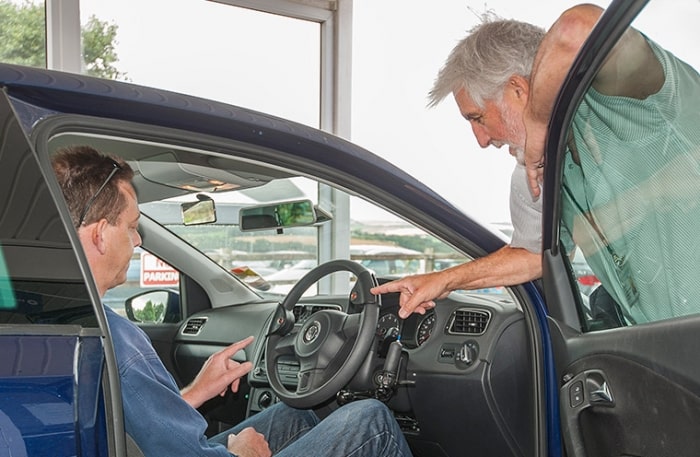
Disabled drivers face a variety of challenges that can make driving more difficult and increase the risk of car accidents. One of the most significant challenges is limited mobility, which can affect a driver's ability to operate the brake and gas pedals, turn the steering wheel, and look over their shoulder when changing lanes. For example, a driver with limited mobility may need additional equipment such as hand controls, a spinner knob, or a left foot accelerator to operate their vehicle safely. However, these modifications can be costly and may require a significant amount of time to install and adjust to.
Another challenge faced by disabled drivers is vision impairment. Poor eyesight can affect a driver's ability to see traffic signals, road signs, and other vehicles on the road. For example, a driver with cataracts may experience glare or halos around headlights, making it difficult to see the road at night. Additionally, some disabled drivers may require prescription eyewear or special lenses to see clearly, which can be expensive and time-consuming to obtain.
Hearing loss is another common challenge faced by disabled drivers. Hearing impairment can affect a driver's ability to hear sirens, horns, and other important auditory cues on the road. For example, a driver with hearing loss may not hear a horn honking, indicating that another vehicle is trying to pass them. This can increase the risk of accidents and make driving more challenging.
Finally, disabled drivers may face challenges related to their mental health or cognitive abilities. For example, drivers with conditions such as anxiety or depression may experience difficulty concentrating on the road or responding to sudden changes in traffic conditions. Additionally, drivers with cognitive impairments such as dementia or traumatic brain injury may have difficulty processing information or making quick decisions while driving.
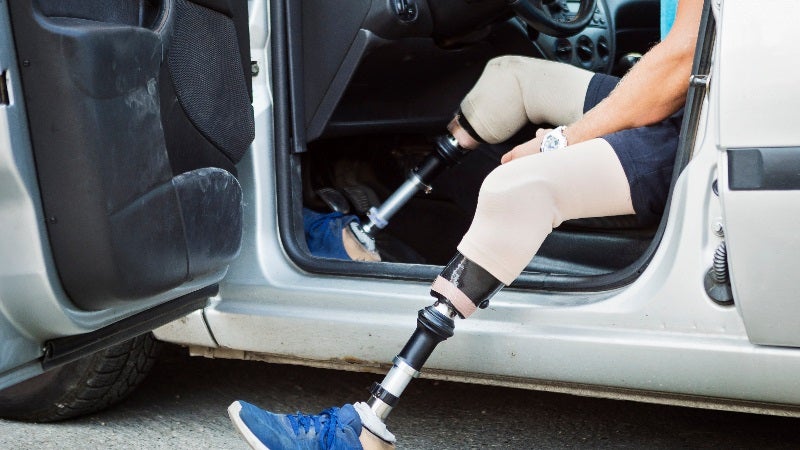
Disabled drivers face a wide range of challenges that can make driving more difficult and increase the risk of car accidents. These challenges include limited mobility, vision impairment, hearing loss, and cognitive impairments. It is important for disabled drivers to be aware of these challenges and take steps to mitigate them, such as using assistive technology or seeking medical treatment. Additionally, other drivers on the road should be aware of the challenges faced by disabled drivers and take extra care to ensure their safety.
Legal Claims in Disabled Drivers Car Accidents
If a disabled driver is involved in a car accident, they may be held liable for any damages caused by their negligence. However, in some cases, the accident may have been caused by factors beyond the driver's control, such as a mechanical failure or hazardous road conditions. In these cases, the driver may not be held liable, and the victim may need to pursue legal claims against other parties, such as the manufacturer of the vehicle or the government agency responsible for maintaining the roadway.
If the disabled driver is found to be at fault for the accident, the victim may be entitled to compensation for their damages, including medical expenses, lost wages, and pain and suffering. However, the disabled driver's insurance coverage may be limited, and the victim may need to seek compensation from other sources, such as their own insurance policy or through a lawsuit.
Compensation for Disabled Drivers Car Accident Victims
The compensation that disabled drivers car accident victims may receive depends on the severity of their injuries and the damages they have suffered. Some of the damages that may be covered include:
- Medical Expenses - This includes the cost of medical treatment, rehabilitation, and any necessary medical equipment or home modifications.
- Lost Wages - Victims may be entitled to compensation for the income they have lost due to their injuries, including future earnings.
- Pain and Suffering - This compensation covers the physical and emotional pain and suffering caused by the accident.
- Property Damage - If the victim's vehicle or other property was damaged in the accident, they may be entitled to compensation for repairs or replacement.
- Wrongful Death - If a disabled driver's car accident results in a fatality, the victim's family may be entitled to compensation for funeral expenses, lost financial support, and other damages.
Conclusion
Disabled drivers car accidents can be devastating for victims and their families. If you have been injured in a car accident involving a disabled driver, it is important to seek legal advice from an experienced personal injury attorney. An attorney can help you understand your legal rights and options and can assist you in pursuing compensation for your damages. Remember, disabled drivers have the same responsibilities as any other driver on the road, and they can be held liable for any damages caused by their negligence.
Frequently Asked Questions
How long do I have to file a lawsuit if I was hit by a disabled driver in California?
In California, you generally have two years from the date of the accident to file a personal injury lawsuit under the statute of limitations established by California Code of Civil Procedure Section 335.1. However, if the at-fault driver or a responsible government entity (such as a city or county with a poorly maintained road) is involved, claims against a government agency must be filed within just six months using a government tort claim form. Missing these deadlines almost always means losing your right to compensation entirely, so it's critical to consult an attorney as soon as possible after the accident.
Can a disabled driver be held fully liable for a car accident even if their disability contributed to the crash?
Yes, disabled drivers in California are held to the same reasonable person standard of care as any other driver, meaning they can be found fully or partially liable if their disability-related impairment contributed to negligent driving. Under California's comparative fault system (California Civil Code Section 1714), liability is assessed based on the totality of circumstances, including whether the driver knew their condition posed a driving risk and failed to take appropriate precautions. If a disabled driver's physician had previously advised them not to drive and they did so anyway, that evidence can significantly strengthen a victim's negligence claim.
What kind of compensation can I realistically expect to receive after being injured by a disabled driver in California?
Compensation in California car accident cases typically falls into two categories: economic damages, which cover quantifiable losses like medical bills, lost wages, and vehicle repair costs, and non-economic damages, which cover pain and suffering, emotional distress, and loss of enjoyment of life. In serious injury cases involving disabled drivers where adaptive equipment malfunctioned or negligence was clear, settlements can range from tens of thousands to several million dollars depending on injury severity, long-term care needs, and liability strength. California does not cap non-economic damages in standard personal injury cases (unlike medical malpractice), so victims with severe injuries have the right to pursue full compensation.
What if the disabled driver's adaptive equipment failed and caused the accident — who can I sue?
If a mechanical failure in adaptive equipment such as hand controls, a spinner knob, or a left-foot accelerator caused or contributed to the accident, you may have a product liability claim against the equipment manufacturer, the installer, or both under California Civil Code Section 1714 and established strict liability principles from Greenman v. Yuba Power Products. California's strict product liability doctrine means you don't necessarily have to prove the manufacturer was negligent — only that the product was defective and that defect caused your injury. An experienced personal injury attorney can help identify all liable parties, which can significantly increase your total recovery.
Is there anything special I should document at the scene if I'm in an accident with a driver who appears to have a disability?
Yes — beyond the standard steps of calling 911, exchanging insurance information, and photographing vehicle damage, you should specifically note and photograph any visible adaptive equipment in the other driver's vehicle, such as hand controls, wheelchair lifts, or special mirrors, as this can be relevant to determining how the vehicle was being operated. You should also document whether the other driver's vehicle displays a disabled placard or any DMV disability designation, and note any statements the driver makes about their condition. In California, you can later request the other driver's DMV records and medical fitness-to-drive history through the discovery process if a lawsuit is filed.
What mistakes do people most commonly make after getting into an accident with a disabled driver that hurt their case later?
One of the most damaging mistakes is accepting a quick settlement offer from the at-fault driver's insurance company before fully understanding the extent of your injuries, since some serious injuries like traumatic brain injuries or spinal damage don't show full symptoms for days or weeks. Another common error is failing to seek medical treatment immediately, because insurance adjusters in California routinely use gaps in medical care to argue that injuries were not serious or were caused by something other than the accident. Finally, many victims unknowingly make recorded statements to the opposing insurance company without legal representation, which can be used to minimize or deny their claim — you are never legally required to give a recorded statement to the other party's insurer.
My elderly parent with Parkinson's disease was at fault in an accident but has very little insurance — can the other driver sue our family directly?
Under California law, adult family members are generally not personally liable for the negligence of another adult relative simply because of their family relationship, unless they can be shown to have been negligent themselves — for example, by knowingly allowing an unsafe driver to use a family-owned vehicle, which could trigger liability under California Vehicle Code Section 17150, the permissive use statute. If the vehicle was owned jointly or if a family member knowingly permitted an unsafe driver to operate the car, that family member could potentially be named in a lawsuit. If your parent's insurance limits are insufficient to cover the damages, the injured party may pursue your parent's personal assets, which is why consulting a California personal injury attorney promptly is important for everyone involved in this situation.