
Apartment Complex Negligence, Protecting Your Rights as a Tenant
Whether you've been injured in an accident, are dealing with a personal injury claim, or facing another legal issue, Mendez & Sanchez APC is here to fight for you. Contact us today for a free, no-obligation consultation.
Call Us Now
Introduction
Living in an apartment complex offers convenience and flexibility to many individuals and families. However, there are instances when apartment management or owners may fail to meet their responsibilities, leading to negligence that can endanger tenants' well-being and rights. This article aims to shed light on apartment complex negligence, its potential consequences, and how tenants can protect themselves.
Table of Contents
- Introduction
- Definition of Negligence
- Types of Negligence in Apartment Complexes
- The Impact of Apartment Complex Negligence
- Legal and Financial Consequences
- Financial Consequences of Apartment Complex Negligence
- Preventive Measures for Apartment Complex Owners
- Conclusion
Definition of Negligence
Apartment complex negligence refers to the failure of apartment management or owners to fulfill their duty of care towards tenants. It involves neglecting to provide a safe living environment or addressing issues that could potentially harm the residents.

Types of Negligence in Apartment Complexes
Some common examples of apoartmet complex negligence include:
- Maintenance negligence: Failure to maintain the premises adequately, leading to hazardous conditions.
- Security negligence: Inadequate security measures that put tenants at risk of crimes such as theft or assault.
- Health and safety negligence: Ignoring health and safety regulations, resulting in potential health hazards.
- Pest control negligence: Insufficient measures to prevent or address pest infestations.
- Fire safety negligence: Lack of proper fire safety equipment and protocols.
The Impact of Apartment Complex Negligence
- Health and Safety Risks
Apartment complex negligence can expose tenants to various health and safety risks. Mold growth, poor indoor air quality, faulty wiring, or unaddressed structural issues can lead to respiratory problems, allergies, or even accidents.
- Property Damage and Loss
Negligence in maintaining the apartment complex can result in property damage for tenants. Water leaks, pest infestations, or faulty electrical systems can cause significant harm to personal belongings and disrupt daily life.
Legal and Financial Consequences
1. Lawsuits and Personal Injury Claims
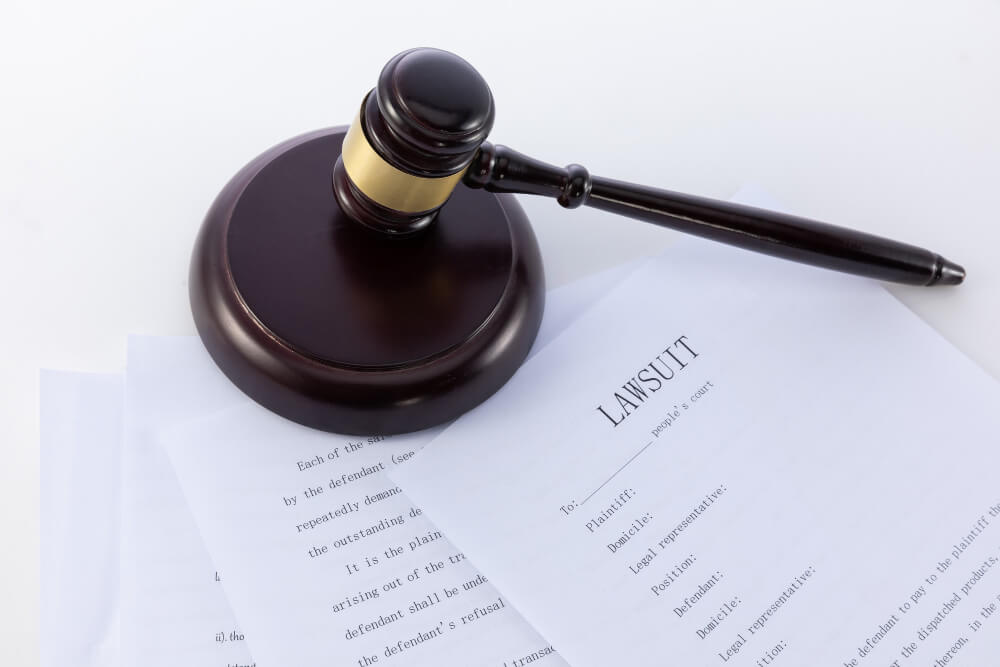
When tenants or visitors suffer harm due to apartment complex negligence, they have the right to seek legal recourse. They can file lawsuits or personal injury claims against the responsible parties, such as the property owner, management company, or maintenance staff. These legal actions aim to hold the negligent parties accountable for their actions or inactions.
2. Damages and Compensation
In successful negligence cases, the victims may be entitled to receive damages and compensation for their losses. These damages can include medical expenses, pain and suffering, loss of income, property damage, and rehabilitation costs. The compensation awarded depends on the severity of the injuries and the impact on the victim's life.
3. Class Action Lawsuits
In situations where multiple tenants or visitors have been affected by apartment complex negligence, class action lawsuits may arise. These lawsuits consolidate the claims of numerous individuals into a single legal action, providing a more efficient and cost-effective way to seek justice. Class action lawsuits can result in substantial settlements or verdicts, holding negligent parties accountable on a larger scale.
Financial Consequences of Apartment Complex Negligence
1. Property Damage Costs
Negligence within an apartment complex can lead to property damage, either due to accidents or lack of maintenance. Property owners may be responsible for covering the costs of repairs, replacements, and restoration. Depending on the extent of the damage, these expenses can be significant and have a direct impact on the financial health of the complex.
2. Increased Insurance Premiums
Apartment complex owners typically carry insurance coverage to protect themselves and their tenants. However, when negligence occurs, insurance companies may raise the premiums or even cancel the policy. This can result in increased expenses for the property owner, making it more challenging to maintain profitability.
3. Loss of Reputation and Tenants
Apartment complex negligence can have severe repercussions on the complex's reputation. Word spreads quickly, and negative publicity can lead to a loss of trust and potential tenants. Existing tenants may also choose to move out, seeking safer alternatives. The decline in occupancy rates can significantly impact the financial stability of the complex.
Preventive Measures for Apartment Complex Owners
To mitigate the legal and financial consequences of apartment complex negligence, owners should prioritize preventive measures. These include:
- Regular property inspections and maintenance to address any potential hazards promptly.
- Adequate security measures, such as surveillance systems, well-lit common areas, and secure entryways.
- Compliance with safety regulations, including fire safety, building codes, and accessibility standards.
- Proper tenant screening to ensure responsible and reliable occupants.
- Clear communication channels with tenants to address concerns and resolve issues promptly.
By taking proactive steps, apartment complex owners can reduce the risk of negligence-related incidents and protect their legal and financial interests.

Conclusion
Apartment complex negligence can lead to significant legal and financial consequences for property owners. Negligence-related lawsuits, property damage costs, increased insurance premiums, and reputational damage can all have a detrimental impact. It is crucial for apartment complex owners to prioritize safety, maintenance, and responsible management practices to avoid these consequences and provide a secure environment for their tenants.
Apartment complex negligence can significantly impact your quality of life and safety as a tenant. It is important to be aware of your rights and take action, our experienced attorneys at Mendez & Sanchez APC specialize in personal injuries cases understand the complexities involved in this situations, schedule a consultation with us today and let us help you understand your legal options.
Frequently Asked Questions
What makes an apartment complex legally negligent in California?
In California, an apartment complex is legally negligent when the owner or management fails to maintain the property in a habitable and reasonably safe condition, violating the duty of care owed to tenants and visitors under California Civil Code Section 1714. This can include failing to fix broken stairwells, ignoring mold or water damage, allowing inadequate lighting in common areas, or neglecting security after a foreseeable crime. California Civil Code Section 1941 further requires landlords to maintain rental units in a habitable condition, and failure to do so can form the legal foundation of a personal injury or premises liability claim.
How long do I have to sue my apartment complex for a personal injury in California?
In most California apartment negligence cases, you have two years from the date of injury to file a personal injury lawsuit under California Code of Civil Procedure Section 335.1. However, if your injury involved a government-owned housing complex or public housing authority, you may have as little as six months to file a government tort claim under the California Government Code Section 911.2 before you can pursue a lawsuit. Missing these deadlines almost always results in losing your right to compensation entirely, so it is critical to consult with a personal injury attorney as soon as possible after an injury occurs.
What compensation can I recover if I was injured due to my apartment complex's negligence in California?
If you were injured because your California apartment complex failed to maintain safe conditions, you may be entitled to recover both economic and non-economic damages, including current and future medical expenses, lost wages, reduced earning capacity, pain and suffering, and emotional distress. In cases involving willful or malicious conduct by a landlord — such as knowingly concealing a hazardous condition — California Civil Code Section 3294 allows courts to award punitive damages on top of compensatory damages. The total value of your claim depends on the severity of your injuries, the clarity of the landlord's negligence, and the documentation you have gathered, which is why working with an experienced attorney early in the process significantly strengthens your case.
Can multiple tenants in my apartment complex join together in a lawsuit against the owner?
Yes, when multiple tenants in a California apartment complex are harmed by the same negligent conditions — such as widespread toxic mold, repeated criminal incidents due to inadequate security, or building-wide code violations — they can pursue a class action lawsuit under California Code of Civil Procedure Section 382. Class actions are particularly effective when individual damages may be modest but the landlord's negligence affected dozens or hundreds of residents, because consolidating claims increases leverage and reduces individual litigation costs. A class action can result in significant settlements that include compensation for affected tenants, court-ordered repairs, and in some cases, attorneys' fees paid by the negligent property owner.
What are the biggest mistakes tenants make after getting injured at their apartment complex in California?
One of the most damaging mistakes California tenants make is failing to report the hazardous condition in writing to management before or immediately after an injury, since landlords often argue they had no notice of the problem — and under California premises liability law, notice is a critical element of negligence. Equally harmful is delaying medical treatment, because insurance adjusters and defense attorneys use gaps in care to argue the injury was not serious or was unrelated to the incident. Tenants also frequently make the mistake of accepting an early settlement offer from the property owner's insurance company before the full extent of their injuries is known, often waiving their right to future compensation in the process.