
Recreational Off-Road Vehicle Injuries: Causes & Legal Considerations
Whether you've been injured in an accident, are dealing with a personal injury claim, or facing another legal issue, Mendez & Sanchez APC is here to fight for you. Contact us today for a free, no-obligation consultation.
Call Us Now
Recreational off-road vehicles (ORVs) such as all-terrain vehicles (ATVs), dirt bikes, and side-by-side vehicles are popular among outdoor enthusiasts for their thrilling experiences. However, ORV-related accidents and injuries are also on the rise, with many resulting in serious consequences. In this article, we will explore the types of injuries that can occur from using ORVs, the causes of these injuries, and the legal considerations involved in personal injury claims related to ORV accidents.
Types of Injuries from ORVs
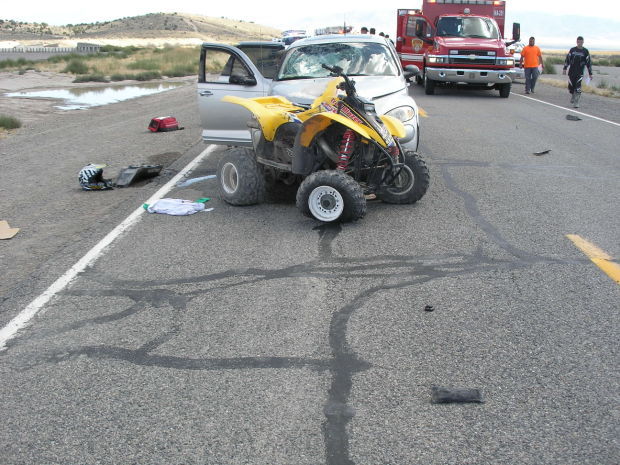
ORV accidents can result in a wide range of injuries, varying in severity from minor cuts and bruises to life-threatening injuries or even death. Some common types of injuries from ORVs include:
- Traumatic brain injuries (TBIs): ORV accidents can cause TBIs, which occur when the head sustains a blow or jolt, leading to disruptions in normal brain function. TBIs can result in long-term or permanent disabilities, including cognitive impairment, motor dysfunction, and emotional changes.
- Spinal cord injuries (SCIs): ORV accidents can also cause SCIs, which occur when the spinal cord sustains damage. SCIs can result in partial or complete loss of sensation, movement, or function below the site of injury, leading to paralysis or other forms of disability.
- Bone fractures and dislocations: ORV accidents can cause fractures or dislocations of bones, including the arms, legs, wrists, ankles, and spine. These injuries may require extensive medical treatment, including surgeries, and may result in long-term disabilities or chronic pain.
- Soft tissue injuries: ORV accidents can cause injuries to the soft tissues of the body, such as muscles, tendons, and ligaments. These injuries can range from sprains and strains to more severe injuries like tears or ruptures, leading to pain, swelling, and limited mobility.
- Internal injuries: ORV accidents can also cause internal injuries, such as injuries to the organs, blood vessels, or internal bleeding. These injuries may not always be apparent immediately after the accident and may require medical diagnosis and treatment.
Causes of ORV Injuries
There are various causes of ORV injuries, and understanding these causes can help in preventing accidents and injuries. Some common causes of ORV injuries include:
- Operator negligence: Operator negligence, such as reckless driving, exceeding speed limits, performing dangerous stunts, or driving under the influence of alcohol or drugs, can significantly increase the risk of ORV accidents and injuries.
- Inadequate training or experience: Lack of proper training or experience in operating ORVs can also contribute to accidents and injuries. ORVs are powerful and complex machines that require skill and knowledge to operate safely, and inexperienced or untrained operators may be more prone to accidents.
- Mechanical failures: Mechanical failures of ORVs, such as brake failures, steering failures, or other equipment malfunctions, can also lead to accidents and injuries. Poorly maintained or defective ORVs can pose significant risks to operators and passengers.
- Environmental factors: Environmental factors, such as rough or uneven terrain, slippery surfaces, or obstacles, can also contribute to ORV accidents and injuries. Riding in unfamiliar or hazardous terrains without proper precautions or safety gear can increase the risk of accidents.
- Lack of proper safety gear: Failure to wear appropriate safety gear, such as helmets, goggles, gloves, or protective clothing, can also result in more severe injuries in case of an ORV accident. Proper safety gear can help protect riders from head injuries

Injuries from recreational off-road vehicles (ORVs) can be serious and devastating, ranging from traumatic brain injuries and spinal cord injuries to fractures, soft tissue injuries, and internal injuries. ORV accidents can be caused by various factors, including operator negligence, inadequate training or experience, mechanical failures, environmental factors, and lack of proper safety gear.
To prevent ORV injuries, it is essential for ORV operators to receive proper training and education on safe operation, follow all relevant laws and regulations, and wear appropriate safety gear at all times. Regular maintenance and inspection of ORVs are also crucial to prevent mechanical failures.
In case of an ORV accident resulting in personal injuries, legal considerations come into play. Victims of ORV accidents may have legal options to pursue compensation for their injuries and losses. Personal injury claims involving ORV accidents can be complex and require careful consideration of various factors, including liability, negligence, damages, and insurance coverage.
It is important for victims of ORV accidents to seek legal advice from experienced personal injury attorneys who specialize in ORV accidents. These attorneys can provide guidance and representation in navigating the legal process and advocating for the rights and interests of the victims. They can help victims gather evidence, assess damages, negotiate with insurance companies, and file lawsuits if necessary.
In addition to legal considerations, ORV operators and riders should also be mindful of the importance of insurance coverage. Having adequate insurance coverage for ORV accidents can provide financial protection in case of injuries or damages resulting from accidents. ORV operators should review their insurance policies and ensure that they have appropriate coverage for their specific type of ORV and intended use.
Overall, the safety of ORV operation is a shared responsibility among operators, riders, manufacturers, and other stakeholders. By adhering to proper safety practices, receiving adequate training, and being aware of legal considerations, we can help prevent injuries from ORV accidents and ensure that ORV recreation remains a safe and enjoyable activity for all enthusiasts.
In conclusion, injuries from recreational off-road vehicles (ORVs) are a serious concern, and it is crucial for ORV operators and riders to prioritize safety at all times. By understanding the types of injuries that can occur, the causes of these injuries, and the legal considerations involved in personal injury claims related to ORV accidents, we can take proactive steps to prevent accidents and protect the well-being of ORV enthusiasts. Remember, proper training, responsible operation, use of appropriate safety gear, and understanding insurance coverage and legal options are key components of safe ORV recreation. Stay informed, stay safe, and enjoy the thrill of ORV adventures responsibly!
Frequently Asked Questions
How long do I have to file a lawsuit after an ATV accident in California?
In California, you generally have two years from the date of your ATV or ORV accident to file a personal injury lawsuit, under the statute of limitations established by California Code of Civil Procedure Section 335.1. If the accident occurred on government-owned land — such as a state park or BLM trail — you may need to file a government tort claim within just six months of the incident before you can pursue a lawsuit. Missing these deadlines can permanently bar you from recovering compensation, so it's critical to consult a personal injury attorney as soon as possible after your accident.
Can I sue the ATV manufacturer if a mechanical failure caused my accident in California?
Yes — if a defect in your ATV's brakes, steering, throttle, or other components caused or contributed to your accident, you may have a product liability claim against the manufacturer, distributor, or retailer under California's strict liability doctrine established in Greenman v. Yuba Power Products (1963). Unlike negligence claims, strict liability means you don't have to prove the manufacturer was careless — only that the product was defective and that the defect caused your injury. An experienced personal injury attorney can help you gather evidence such as maintenance records, expert analysis, and recall notices to build a strong product liability case.
What compensation can I realistically expect from an ORV accident injury claim in California?
Compensation in a California ORV accident claim typically falls into two categories: economic damages, which cover quantifiable losses like medical bills, lost wages, rehabilitation costs, and future care expenses, and non-economic damages, which cover pain and suffering, emotional distress, and loss of enjoyment of life. In cases involving severe injuries like spinal cord damage or traumatic brain injuries, total settlements or verdicts can reach into the hundreds of thousands or even millions of dollars depending on the long-term impact on your life. California does not cap non-economic damages in personal injury cases (unlike medical malpractice cases under MICRA), which means victims of serious ORV accidents may be entitled to substantial compensation.
My teenager was hurt on a friend's ATV at a private property in California — who is liable?
Liability in this situation could fall on multiple parties, including the property owner, the ATV owner, or even the parents of a minor who allowed unsupervised access to the vehicle. California's premises liability law requires property owners to maintain reasonably safe conditions for guests, and under California Civil Code Section 1714, anyone who negligently entrusts a dangerous vehicle to an inexperienced or underage rider can be held liable for resulting injuries. If your teenager was not wearing a helmet — which is required for minors under California Vehicle Code Section 38505 — this could affect the case through comparative fault, but it does not eliminate the right to recover compensation.
What are the biggest mistakes people make after an off-road vehicle accident that hurt their injury claim?
The most damaging mistakes include failing to seek immediate medical attention (which insurers use to argue your injuries aren't serious), not documenting the accident scene with photos or witness information, and giving a recorded statement to the other party's insurance company without legal representation. In California, the pure comparative fault rule under Li v. Yellow Cab Co. (1975) means that anything you say admitting partial blame can directly reduce the compensation you receive — for example, if you're found 30% at fault, your award is reduced by 30%. Contacting an experienced ORV accident attorney before speaking with any insurance company is one of the most important steps you can take to protect your claim.
Does California require ORV operators to carry insurance, and what happens if the at-fault rider has none?
California does not require liability insurance for off-highway vehicles (OHVs) operated exclusively on designated off-road trails or private property, which means many ORV riders are uninsured at the time of an accident. If you're injured by an uninsured ORV operator, you may still have options: your own auto insurance policy's uninsured motorist coverage may apply in certain situations, or you may be able to pursue the at-fault party's personal assets through a civil lawsuit. An attorney can also investigate whether other liable parties — such as a property owner, event organizer, or equipment rental company — carry insurance that could cover your injuries.
If I was injured as a passenger on someone else's ATV in California, can I still file a claim even if I knew it was risky?
Yes — as an injured passenger, you generally have a strong right to pursue compensation against the driver of the ATV, the vehicle owner, or any other negligent party, even if you voluntarily chose to ride. California's assumption of risk doctrine, established under Knight v. Jewett (1992), can limit claims in cases involving inherent risks of a sport, but it does not protect a driver who acted recklessly, was intoxicated, or operated the vehicle in a way that went beyond the risks you reasonably agreed to. California's pure comparative fault system also means that even if you are found partially at fault for your own injuries, you can still recover a proportionate share of your damages.