
Car Accidents at Airports: Ensuring Safety and Preventing Mishaps
Whether you've been injured in an accident, are dealing with a personal injury claim, or facing another legal issue, Mendez & Sanchez APC is here to fight for you. Contact us today for a free, no-obligation consultation.
Call Us Now
Airports are bustling hubs of activity, with millions of travelers passing through their gates each day. While airports strive to provide a safe and secure environment, accidents can still occur, including car accidents within airport premises. In this comprehensive article, we will explore the topic of car accidents at airports, shedding light on the causes, preventive measures, legal aspects, and overall safety guidelines. Whether you're a frequent traveler, an airport employee, or simply curious about airport safety, this article will provide valuable insights and practical tips to ensure the well-being of all individuals within the airport vicinity.
Table of Contents
- Car Accidents at Airports: Understanding the Risks
- Preventive Measures to Enhance Airport Safety
- Legal Aspects: Liability and Compensation
- Conclusion
Car Accidents at Airports: Understanding the Risks
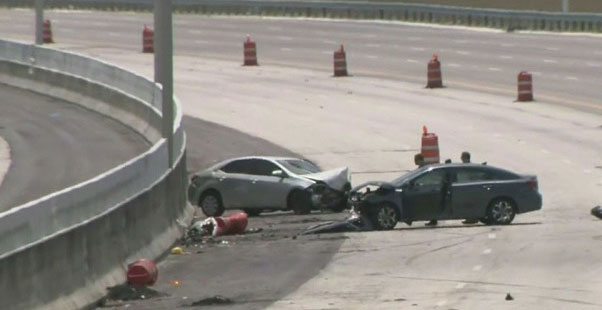
Car accidents at airports can happen due to various reasons, ranging from driver error to infrastructure challenges. It's essential to be aware of these risks to mitigate them effectively. By understanding the common causes, we can take proactive measures to prevent accidents and promote safety within the airport premises.
Human Factors Contributing to Car Accidents at Airports
Distracted Driving: A Silent Danger
One of the leading causes of car accidents at airports is distracted driving. With the constant flow of passengers, baggage handlers, and airport vehicles, drivers can easily become distracted, leading to potentially hazardous situations. Distractions such as phone usage, eating, or even engaging in conversations with passengers can divert attention from the road, increasing the risk of accidents.
Fatigue: A Sleepy Road to Disaster
Fatigue among drivers is another significant factor contributing to car accidents at airports. Long working hours, irregular shift patterns, and jet lag can all take a toll on the alertness and responsiveness of drivers. Fatigue can impair judgment, slow reaction times, and increase the likelihood of accidents.
Reckless Driving: Speeding Towards Danger
Reckless driving, including speeding, tailgating, and aggressive maneuvering, poses a significant risk within airport premises. With time constraints and tight schedules, some drivers may prioritize speed over safety, endangering themselves and others on the road. It is crucial to promote responsible driving practices and adherence to speed limits to prevent accidents.
Infrastructure Challenges and Environmental Factors
Congestion: Navigating Through Crowded Spaces
Airports can be bustling with traffic, particularly during peak hours. The high volume of vehicles, combined with limited parking space and congested roadways, can increase the likelihood of accidents. It's important for airports to implement efficient traffic management systems and optimize infrastructure to minimize congestion and enhance safety.
Weather Conditions: Battling the Elements
Adverse weather conditions can also contribute to car accidents at airports. Rain, snow, fog, or strong winds can reduce visibility, create slippery surfaces, and affect vehicle control. It is crucial for drivers to adjust their driving behavior accordingly and for airports to maintain well-maintained road surfaces and adequate lighting systems to counteract these challenges.
Preventive Measures to Enhance Airport Safety
Preventing car accidents at airports requires a multi-faceted approach that involves proactive measures from both individuals and airport authorities. By implementing the following preventive measures, we can significantly reduce the risk of accidents and ensure a safer airport environment for all.
Enhanced Driver Training and Awareness Programs
Comprehensive driver training programs should be a priority for all individuals operating vehicles within airport premises. These programs should cover topics such as defensive driving, hazard perception, and awareness of airport-specific challenges. Regular refresher courses and awareness campaigns can help drivers stay vigilant and informed about potential risks.
Implementation of Advanced Safety Technologies
Technological advancements have revolutionized vehicle safety, and airports should leverage these innovations to enhance safety on their premises. Installing advanced safety technologies such as collision warning systems, automatic braking, and blind-spot monitoring can help prevent accidents and mitigate the severity of collisions.
Clear Signage and Road Markings
Proper signage and road markings play a crucial role in guiding drivers and promoting safe navigation within airports. Clear and visible signs indicating speed limits, pedestrian crossings, and designated parking areas should be strategically placed to minimize confusion and improve traffic flow. Regular maintenance of signage and road markings is essential to ensure their effectiveness.
Robust Traffic Management Systems
Efficient traffic management systems are vital to prevent congestion and reduce the risk of car accidents at airports. Airport authorities should invest in advanced traffic monitoring technologies, real-time data analysis, and intelligent traffic signal systems to optimize traffic flow and minimize the chances of collisions.
Adequate Lighting and Maintenance of Road Surfaces
Proper lighting and well-maintained road surfaces are crucial for ensuring optimal visibility and safe driving conditions at airports. Adequate lighting should be provided in parking lots, ramps, and other high-traffic areas. Regular inspections and prompt repairs of potholes, cracks, and uneven surfaces are essential to prevent accidents caused by road hazards.
Legal Aspects: Liability and Compensation
In the unfortunate event of a car accident at an airport, understanding the legal aspects related to liability and compensation is crucial. Depending on the circumstances, various parties may be held responsible, including the driver, the airport authority, or other involved parties. Seeking legal advice and understanding local regulations and policies can help victims navigate the legal landscape and pursue fair compensation for damages and injuries.
Conclusion
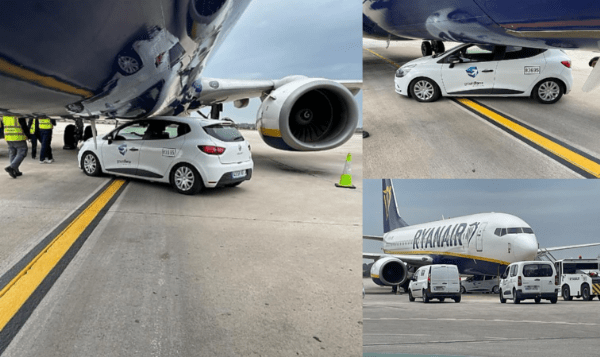
Car accidents at airports pose a significant risk to the safety of travelers, airport employees, and other individuals within the airport vicinity. By understanding the common causes of these accidents and implementing preventive measures, we can ensure a safer environment for everyone. Enhanced driver training, advanced safety technologies, clear signage, efficient traffic management systems, and proper maintenance of road surfaces all play vital roles in mitigating the risks associated with car accidents at airports.
Remember, if you witness a car accident at an airport, prioritize safety and promptly alert the authorities. If you're involved in an accident, seek legal advice to understand your rights and pursue fair compensation if applicable. Let's strive together to create safer airport environments and minimize the occurrence of car accidents at airports.
Frequently Asked Questions
Someone hit my car in the LAX departure loop — who's liable and how do I prove it?
Liability in an LAX departure loop accident typically falls on the at-fault driver under California's pure comparative fault system (California Civil Code §1714), meaning even if you were partially at fault, you can still recover damages proportional to the other driver's negligence. To prove liability, you'll want to collect traffic camera footage immediately — LAX's roadway system is monitored by LAWA (Los Angeles World Airports) cameras, and that footage can be subpoenaed if you act quickly before it's overwritten, typically within 30 days. A personal injury attorney can send a litigation hold letter to preserve that evidence while also obtaining the police report filed by LAPD Airport Division, which patrols the terminal roadways.
How long do I have to file a lawsuit after a car accident at a California airport?
In California, you generally have two years from the date of the accident to file a personal injury lawsuit under the statute of limitations set by California Code of Civil Procedure §335.1. However, if a government entity is involved — such as LAWA at LAX, the City of San Jose at SJC, or any county-operated airport facility — you must first file a government tort claim within just six months of the incident under the California Government Claims Act (Government Code §911.2), and missing that deadline can permanently bar your claim. Because these timelines overlap and the government claim process adds complexity, consulting a California personal injury attorney as soon as possible after your accident is critical.
I was injured in a rental car accident at SFO — can I still get compensation if I didn't buy the rental company's insurance?
Yes, you may still have multiple layers of coverage available even without purchasing the rental company's add-on insurance. California law requires all drivers to carry minimum liability coverage, so the at-fault driver's policy is the first source of compensation; additionally, many major credit cards used to pay for the rental provide secondary collision damage coverage, and your own personal auto insurance policy in California typically extends to rental vehicles under the same terms as your regular coverage. If the rental company itself contributed to the accident — for example, by renting out a vehicle with known mechanical defects — they could face direct liability under California Civil Code §1939.07, which governs rental company obligations, and a personal injury attorney can help you identify every applicable source of recovery.
What's the biggest mistake people make after a car accident at an airport that hurts their injury claim?
The most damaging mistake we see is failing to call law enforcement and instead accepting a quick, informal exchange of information with the other driver — at major California airports like LAX, SFO, or SAN, LAPD, SFPD, or airport authority police can respond directly and create an official incident report, which becomes foundational evidence in your claim. A close second is delaying medical care: California courts and insurance adjusters treat gaps in treatment as evidence that your injuries weren't serious, so seeking evaluation the same day preserves both your health and your legal case. Giving a recorded statement to the other driver's insurance company before speaking with an attorney is equally harmful, as insurers are trained to use your own words to minimize your payout under California's comparative fault rules.
If a rideshare driver like an Uber or Lyft caused an accident while picking someone up at Burbank Airport, who pays for my injuries?
When a rideshare driver causes an accident while actively transporting a passenger or en route to a pickup at an airport like Hollywood Burbank (BUR), Uber and Lyft are required under California Public Utilities Code §5433 to provide up to $1 million in third-party liability coverage — so the rideshare company's commercial policy, not just the driver's personal insurance, would be the primary source of compensation for your injuries. If the driver was logged into the app but had not yet accepted a ride at the time of the crash, a reduced contingent liability policy of $50,000 per person applies instead. California has some of the strongest rideshare insurance mandate laws in the country, and an experienced personal injury attorney can quickly determine which coverage tier applies and file claims against all available policies simultaneously.
Can an airport employee who was hit by a car on the tarmac or in a parking structure sue for personal injury damages in California?
It depends on where and how the accident happened — California workers' compensation (California Labor Code §3600) is the exclusive remedy for injuries that occur in the normal course of employment, meaning a ramp worker struck by an airport vehicle driven by a co-worker would typically be limited to workers' comp benefits rather than a civil lawsuit. However, if a third party — such as a private shuttle driver, a vendor's delivery truck, or a rental car customer — caused the accident, the employee can pursue a separate personal injury lawsuit against that third party in addition to collecting workers' comp, potentially recovering pain and suffering damages that workers' comp does not cover. Determining whether a viable third-party claim exists alongside a workers' comp claim is one of the most valuable things a California personal injury attorney can assess for injured airport workers.