
Truck Collisions & Duty of Care: What You Need to Know
Whether you've been injured in an accident, are dealing with a personal injury claim, or facing another legal issue, Mendez & Sanchez APC is here to fight for you. Contact us today for a free, no-obligation consultation.
Call Us Now
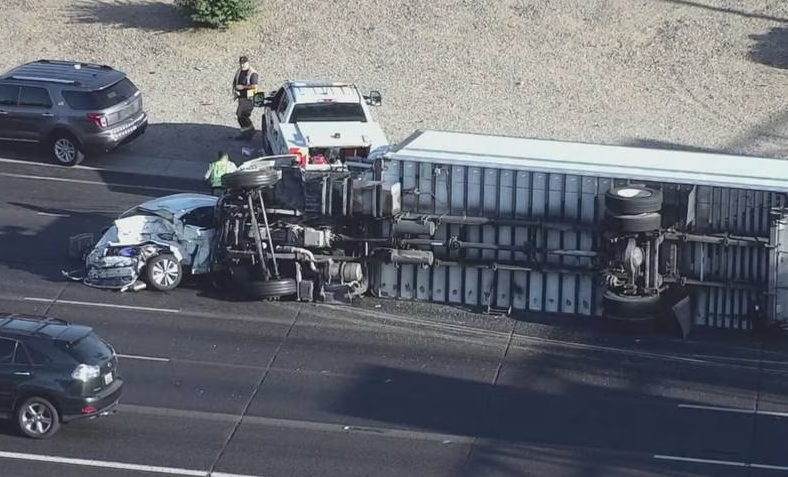
Truck collisions are a common occurrence on our roads and highways, and they can result in devastating consequences for those involved. Due to the size and weight of trucks, collisions with them can cause significant damage to property and can result in serious injuries or fatalities. In this article, we will discuss the duty of care owed by truck drivers and trucking companies to other road users, and what you need to know if you are involved in a truck collision.
Table of Contents
- Duty of Care
- What to do if you are involved in a truck collision
- Conclusion
Truck collisions are unfortunately a frequent occurrence on our roads and highways. According to the Federal Motor Carrier Safety Administration (FMCSA), there were approximately 450,000 police-reported crashes involving large trucks in the United States. These crashes resulted in 4,119 fatalities and 107,000 injuries. This means that there were approximately 1.23 fatalities and 294 injuries per day due to large truck collisions.
The frequency of truck collisions is due to several factors. One of the main factors is the sheer number of trucks on our roads. Trucks are an essential part of our economy, transporting goods across the country. As a result, there are millions of trucks on our roads every day, and this sheer volume increases the likelihood of collisions.
Another factor is the size and weight of trucks. Trucks are much larger and heavier than passenger vehicles, which means that they can cause more damage in a collision. This can lead to serious injuries and fatalities for those involved in a collision with a truck.
Additionally, truck drivers often have demanding schedules and are under pressure to deliver goods on time. This can lead to drivers being fatigued or taking risks on the road, such as speeding or driving for too many hours without rest breaks. This can increase the likelihood of a collision.
Finally, some trucking companies may prioritize profits over safety, leading to inadequate training or maintenance of their vehicles. This can lead to equipment failures or other issues that increase the likelihood of a collision.
Despite efforts by the FMCSA and other organizations to improve safety on our roads, truck collisions continue to occur at an alarming rate. It is important for all drivers to be aware of the risks associated with sharing the road with trucks and to take steps to minimize those risks, such as avoiding blind spots, leaving plenty of space when passing, and avoiding distractions while driving.
Trucking companies and drivers also have a responsibility to prioritize safety and take steps to prevent collisions. This includes properly maintaining their vehicles, providing adequate training to drivers, and monitoring driver behavior to ensure compliance with traffic laws and company policies.
The frequency of truck collisions is a serious issue that has significant consequences for those involved. It is important for all drivers to be aware of the risks associated with sharing the road with trucks and to take steps to minimize those risks. Trucking companies and drivers also have a responsibility to prioritize safety and take steps to prevent collisions. By working together, we can reduce the number of truck collisions on our roads and highways and improve safety for all road users.
Duty of Care
Truck drivers and trucking companies owe a duty of care to other road users. This means that they have a legal obligation to take reasonable care to prevent harm to others. In the case of truck collisions, this duty of care includes things like:
- Properly maintaining the truck: Trucking companies must ensure that their vehicles are regularly inspected and maintained to ensure that they are in good working order. This includes things like checking brakes, tires, and lights.
- Hiring competent drivers: Trucking companies must ensure that their drivers are properly trained, licensed, and qualified to operate their vehicles. They must also ensure that their drivers have a good driving record and are free from drug or alcohol abuse.
- Monitoring driver behavior: Trucking companies must monitor the behavior of their drivers to ensure that they are complying with traffic laws and company policies. This includes things like ensuring that drivers are not driving for too many hours without rest breaks and that they are not speeding or driving recklessly.
- Properly securing cargo: Trucking companies must ensure that their cargo is properly secured and distributed to prevent it from shifting during transport. This helps to prevent accidents caused by unbalanced or shifting loads.
What to do if you are involved in a truck collision
If you are involved in a truck collision, there are several things that you should do to protect your legal rights and ensure that you receive the compensation you are entitled to:
- Seek medical attention: If you or anyone else involved in the collision is injured, seek medical attention immediately.
- Contact the police: Contact the police and report the collision. They will investigate the incident and create a report that can be used as evidence in any legal proceedings.
- Collect evidence: Collect as much evidence as possible at the scene of the collision. Take photos of the vehicles involved, the location of the collision, and any injuries sustained. Also, gather contact information from any witnesses.
- Contact an attorney: Contact an experienced attorney who specializes in truck collision cases. They can help you navigate the legal process and ensure that you receive the compensation you deserve.
Conclusion
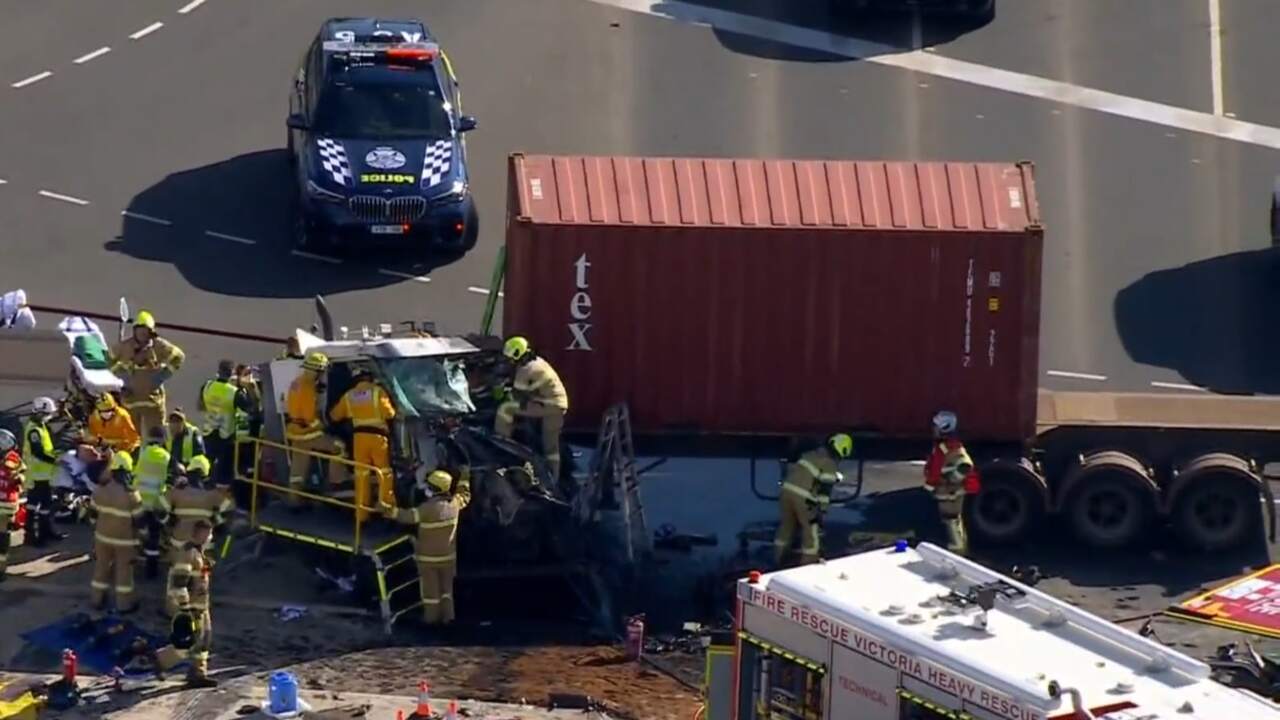
Truck collisions can have devastating consequences for those involved, and it is important that truck drivers and trucking companies take their duty of care seriously. If you are involved in a truck collision, seek medical attention, contact the police, collect evidence, and contact an experienced attorney who can help you navigate the legal process. By taking these steps, you can protect your legal rights and ensure that you receive the compensation you are entitled to.
Frequently Asked Questions
How long do I have to file a lawsuit after a truck accident in California?
In California, you generally have two years from the date of the truck collision to file a personal injury lawsuit, under California Code of Civil Procedure Section 335.1. However, if a government entity is involved — for example, a city-owned utility truck — you must file a government tort claim within just six months of the incident. Missing these deadlines almost always means losing your right to compensation entirely, so it's critical to speak with an attorney as soon as possible after the crash.
Can I sue the trucking company directly, or only the driver who hit me?
You can very likely sue the trucking company directly, not just the driver, under a legal doctrine called respondeat superior, which holds employers liable for negligent acts their employees commit while on the job. California courts have also recognized 'negligent entrustment' and 'negligent hiring' as separate grounds to hold trucking companies liable — for example, if they hired a driver with a history of DUI violations. In many truck accident cases, suing the company is actually more strategically important because they carry higher insurance policy limits and have deeper resources to pay a judgment.
What kind of compensation am I actually entitled to after a serious truck accident in California?
California allows truck accident victims to recover both economic and non-economic damages, which can include medical bills, future medical care, lost wages, loss of earning capacity, property damage, pain and suffering, and emotional distress. California Civil Code Section 3333 governs the full measure of compensatory damages in personal injury cases, and there is no cap on non-economic damages in truck accident claims (unlike medical malpractice cases). In cases involving particularly reckless behavior — such as a driver who was hours over federal Hours of Service limits — California Civil Code Section 3294 also allows victims to pursue punitive damages.
What are the most common mistakes people make after a truck accident that hurt their case later?
One of the most damaging mistakes is giving a recorded statement to the trucking company's insurance adjuster before speaking with an attorney — adjusters are trained to use your own words to minimize your payout. Another critical error is delaying medical treatment, because insurance companies argue that gaps in care mean your injuries weren't serious. Finally, many people fail to preserve key evidence quickly enough: trucking companies are often legally permitted to overwrite electronic logging device (ELD) data and dashcam footage within days, so sending a formal legal hold letter early in the process can be the difference between winning and losing your case.
Does California have any special rules that apply to truck drivers that don't apply to regular drivers?
Yes — commercial truck drivers in California must comply with both federal FMCSA regulations and California Vehicle Code requirements that go well beyond what applies to regular passenger vehicle drivers. For example, under FMCSA Hours of Service rules, truckers driving property-carrying vehicles are limited to 11 hours of driving after 10 consecutive hours off duty, and California strictly enforces these limits. Commercial drivers must also hold a valid California Commercial Driver's License (CDL) under California Vehicle Code Section 15210, and trucking companies are required to conduct pre-employment drug testing and annual reviews of each driver's Motor Vehicle Record under federal law.
If a truck's brakes failed and caused the crash, is the trucking company still responsible?
In most cases, yes — trucking companies have a non-delegable duty to maintain their vehicles in safe operating condition, and brake failure is one of the leading mechanical causes of large truck crashes identified by the FMCSA. Under California negligence law, a company that fails to conduct required inspections or ignores known mechanical issues can be held liable for resulting injuries even if the driver was otherwise following the rules. Your attorney can subpoena the truck's maintenance logs, pre-trip inspection reports, and repair records to establish whether the company knew or should have known about the brake defect.
My loved one was killed in a truck crash in California — who can file a wrongful death claim and what can we recover?
Under California Code of Civil Procedure Section 377.60, a wrongful death claim after a fatal truck accident can be filed by a surviving spouse or domestic partner, children, or — if none exist — anyone who would be entitled to inherit under California's intestacy laws, such as parents or siblings. Recoverable damages include funeral and burial expenses, the financial support the deceased would have provided, the loss of gifts or benefits the family would have received, and the loss of the deceased's love, companionship, and guidance. California's wrongful death statute of limitations is also two years from the date of death under CCP 335.1, and families in Los Angeles, San Diego, and other large California counties should be aware that acting quickly to preserve truck data and witness testimony is especially important given how competitive commercial litigation can be in those jurisdictions.