
Road Rage Accidents: Causes, Risks, and Legal Implications
Whether you've been injured in an accident, are dealing with a personal injury claim, or facing another legal issue, Mendez & Sanchez APC is here to fight for you. Contact us today for a free, no-obligation consultation.
Call Us Now
Road rage accidents are a growing problem on our roads, and they can have serious consequences. According to the AAA Foundation for Traffic Safety, road rage incidents have been on the rise, with a reported increase of 7% in the past year alone. In this article, we'll explore the causes and risks of road rage accidents, and discuss the legal implications that may arise if you are involved in one.
Causes of Road Rage Accidents:
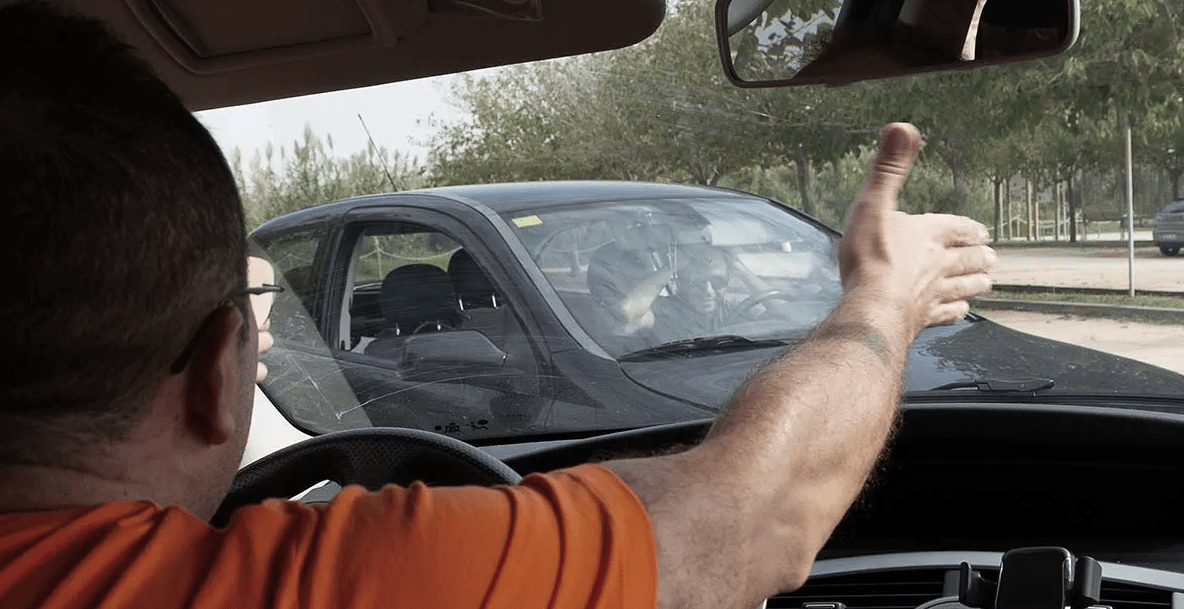
Road rage is a form of aggressive driving that can lead to car accidents. It is often caused by stress, frustration, and anger. Drivers may become angry when they feel like they're being cut off, tailgated, or slowed down by other drivers. Road rage can also be triggered by external factors such as traffic congestion and delays.
Some people are more prone to road rage than others. Drivers who are more aggressive, impatient, or have a history of aggression or impulsivity are more likely to experience road rage. Additionally, drivers who are sleep-deprived, under the influence of drugs or alcohol, or dealing with personal problems may be more likely to experience road rage.
Risks of Road Rage Accidents:
Road rage accidents can have serious consequences. First, road rage accidents can cause significant property damage and result in costly repairs. Second, road rage accidents can result in injuries that require medical attention, which can be expensive and impact a person's ability to work. Finally, road rage accidents can be fatal, leading to devastating consequences for families and loved ones.
Legal Implications of Road Rage Accidents:
If you are involved in a road rage accident, the driver who caused the accident may be held liable for damages. However, there may be other factors to consider, such as insurance coverage and the involvement of law enforcement.
In some cases, road rage accidents can result in criminal charges. If the driver who caused the accident was exhibiting extreme behavior, such as intentionally ramming into another vehicle, they may face criminal charges. This can result in fines, license suspension, and even imprisonment.
It's important to note that the legal implications of road rage accidents can vary depending on the circumstances of the accident. If you are involved in a road rage accident, it's important to seek legal advice to ensure that your rights are protected.
Steps to Prevent Road Rage:
To prevent road rage accidents, it's important to understand the causes and take steps to avoid them. One of the most effective ways to prevent road rage is to avoid confrontations with other drivers. If you encounter an aggressive driver, try to avoid engaging with them. Don't make eye contact or gesture at them, as this can escalate the situation.
Another way to prevent road rage is to stay calm while driving. Take deep breaths and listen to relaxing music if necessary. Allowing extra time for your commute can also help reduce stress and prevent road rage.
Following traffic rules and regulations can also help reduce the risk of accidents caused by road rage. This includes maintaining a safe distance from other vehicles, using turn signals, and avoiding sudden lane changes or abrupt stops.
Legal Keywords:
If you are involved in a road rage accident, it's important to seek legal advice from a qualified personal injury attorney. An attorney can help you understand your legal rights and options, and can represent you in negotiations with insurance companies or in court.
Some legal keywords that may be relevant to road rage accidents include:
- Negligence: If a driver's actions were careless or reckless, they may be considered negligent and may be held liable for damages.
- Personal injury: If you or someone else was injured in a road rage accident, you may be entitled to compensation for medical expenses, lost wages, and other damages.
- Liability: The driver who caused the road rage accident may be held liable for damages.
- Insurance coverage: Insurance companies
In conclusion, road rage accidents can have serious consequences and it's important to take steps to prevent them. Understanding the causes and risks of road rage, and following traffic rules and regulations can help reduce the risk of accidents. Additionally, seeking legal advice from a qualified personal injury attorney can help protect your legal rights and options if you are involved in a road rage accident.
Remember that prevention is key when it comes to road rage accidents. Staying calm while driving, avoiding confrontations with other drivers, and following traffic rules can go a long way in reducing the risk of accidents. By taking these steps and seeking legal advice if necessary, you can protect yourself and your loved ones from the devastating consequences of road rage accidents.
Frequently Asked Questions
How long do I have to file a lawsuit after a road rage accident in California?
In California, you generally have two years from the date of the accident to file a personal injury lawsuit, as established under California Code of Civil Procedure Section 335.1. If a government vehicle or employee was involved in the road rage incident, you have a much shorter window — just six months to file a government tort claim before any lawsuit can proceed. Missing these deadlines almost always means losing your right to compensation entirely, so it's critical to speak with a personal injury attorney as soon as possible after the incident.
Can I sue someone for road rage even if I wasn't physically injured — like if they just scared me or damaged my car?
Yes, you can still pursue a civil claim even without physical injuries in California. Under California Civil Code Section 1714, a driver owes a duty of reasonable care to others on the road, and intentional or reckless conduct that causes property damage or provable emotional distress can form the basis of a claim. If the road rage incident caused you to suffer documented anxiety, PTSD, or other psychological harm — even without a physical collision — California courts have recognized these as compensable damages under a negligent or intentional infliction of emotional distress theory.
What's the difference between a road rage accident being a civil case versus a criminal case in California?
A road rage incident can trigger both a criminal case and a separate civil lawsuit at the same time in California — they are independent legal processes. On the criminal side, an aggressive driver could face charges ranging from reckless driving under California Vehicle Code Section 23103 to felony assault with a deadly weapon (a vehicle) under California Penal Code Section 245(a)(1), which can result in imprisonment. On the civil side, you can simultaneously pursue a personal injury lawsuit to recover compensation for your medical bills, lost wages, and pain and suffering — and a criminal conviction against the other driver can actually strengthen your civil case significantly.
What compensation can I realistically expect from a road rage accident claim in California?
Compensation in California road rage accident cases typically falls into two categories: economic damages, which cover measurable losses like medical expenses, future medical care, lost wages, and property repair costs, and non-economic damages, which cover pain and suffering, emotional distress, and loss of enjoyment of life. Because road rage often involves intentional or malicious conduct, California courts may also award punitive damages under California Civil Code Section 3294, which go beyond making you whole and are designed to punish the at-fault driver — these awards can be substantial. The actual amount depends heavily on the severity of your injuries, the strength of the evidence, and the at-fault driver's insurance coverage or personal assets.
What should I do immediately after a road rage accident to protect my legal case?
Your first priorities are safety and documentation — move to a safe location if possible, call 911, and make sure law enforcement responds to the scene, because a police report is one of the most important pieces of evidence in a road rage case. While waiting for help, use your phone to photograph vehicle damage, road conditions, the other driver's license plate, and any visible injuries, and ask any witnesses for their contact information. Avoid confronting or engaging with the aggressive driver, and do not admit fault or apologize — report everything accurately to the responding officers and contact a personal injury attorney before giving any recorded statements to the other driver's insurance company.
What if the road rage driver who hit me doesn't have insurance — am I just out of luck in California?
You are not out of luck — California law requires all drivers to carry minimum liability insurance, but when the at-fault driver is uninsured, your own Uninsured Motorist (UM) coverage becomes your primary source of recovery, provided you carry it on your own policy. California Insurance Code Section 11580.2 requires insurers to offer uninsured and underinsured motorist coverage to all policyholders, and if you accepted it, your own insurer must step in to cover your damages up to your policy limits. An experienced personal injury attorney can also investigate whether the at-fault driver has personal assets that can be pursued through a civil judgment, ensuring you exhaust every available avenue for compensation.
Does it hurt my road rage accident case if I honked or gestured back at the aggressive driver before the crash?
It can complicate your case, but it does not automatically disqualify you from recovering compensation in California. California follows a pure comparative fault rule under California Civil Code Section 1714, meaning your damages are reduced by your percentage of fault — so even if a jury finds you 20% responsible for escalating the situation, you can still recover 80% of your total damages. That said, insurance adjusters will absolutely use any evidence of your own aggressive behavior to minimize your payout, which is exactly why having a personal injury attorney handle all communications and negotiations on your behalf is so important from the very beginning.