
Multiple Collision Vehicle Accidents: Causes and Prevention Tips
Whether you've been injured in an accident, are dealing with a personal injury claim, or facing another legal issue, Mendez & Sanchez APC is here to fight for you. Contact us today for a free, no-obligation consultation.
Call Us Now
Multiple collision vehicle accidents are a type of car crash that involves three or more vehicles. These types of accidents can be chaotic and dangerous, often resulting in severe injuries and even fatalities. In this article, we will discuss the causes and consequences of multiple collision vehicle accidents and provide some tips on how to avoid them.
Causes of Multiple Collision Vehicle Accidents
Multiple collision vehicle accidents can occur for many reasons, including:
- Distracted Driving: One of the leading causes of multiple collision vehicle accidents is distracted driving. When drivers are not paying attention to the road, they are more likely to collide with other vehicles.
- Speeding: Another common cause of multiple collision vehicle accidents is speeding. When drivers are driving at high speeds, they have less time to react to changes in traffic conditions, increasing the risk of collisions.
- Tailgating: Tailgating, or following too closely, is another cause of multiple collision vehicle accidents. When drivers are following too closely, they may not have enough time to react if the vehicle in front of them suddenly stops or slows down.
- Impaired Driving: Impaired driving, including driving under the influence of drugs or alcohol, is a significant cause of multiple collision vehicle accidents. Impaired drivers have slower reaction times and are more likely to make poor decisions behind the wheel.
- Weather Conditions: Weather conditions can also contribute to multiple collision vehicle accidents. Poor visibility, icy roads, and heavy rain can all make it difficult for drivers to see the road and react to changes in traffic conditions.
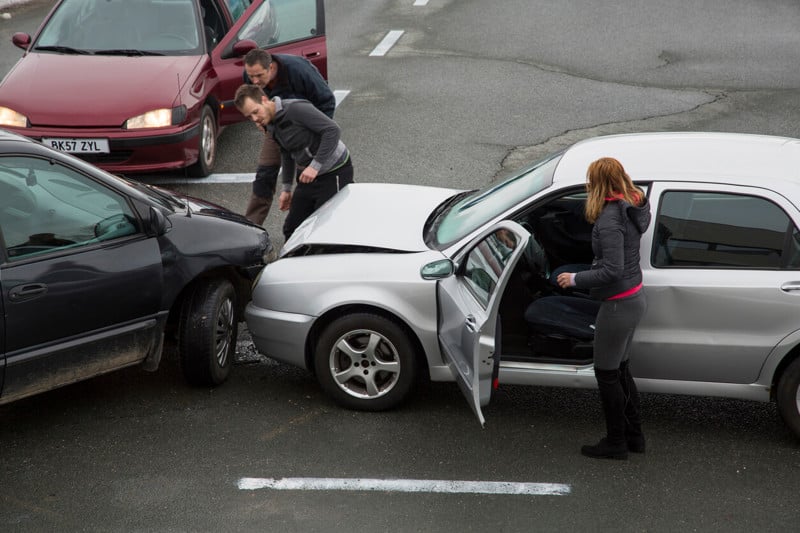
Consequences of Multiple Collision Vehicle Accidents
Multiple collision vehicle accidents can have severe consequences, including:
- Personal Injury: One of the most significant consequences of multiple collision vehicle accidents is personal injury. Drivers and passengers can suffer from a range of injuries, including broken bones, whiplash, and head trauma.
- Property Damage: Multiple collision vehicle accidents can also result in significant property damage. Vehicles can be totaled, and other property, such as guardrails and road signs, can also be damaged.
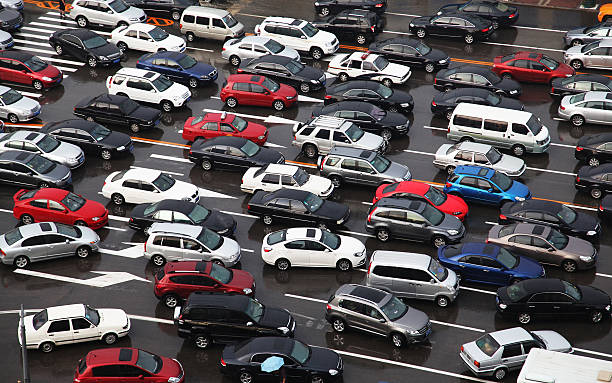
- Traffic Congestion: Multiple collision vehicle accidents can cause significant traffic congestion, leading to delays and inconvenience for other drivers.
- Financial Costs: Multiple collision vehicle accidents can also be costly. Drivers and insurance companies may need to cover medical expenses, property damage, and other costs related to the accident.
Tips for Avoiding Multiple Collision Vehicle Accidents
To avoid multiple collision vehicle accidents, drivers should take the following steps:
- Pay Attention to the Road: Drivers should always pay attention to the road and avoid distractions, such as texting or using their phone while driving.
- Follow Speed Limits: Drivers should follow posted speed limits and adjust their speed based on weather and traffic conditions.
- Maintain a Safe Following Distance: Drivers should maintain a safe following distance to allow for sudden stops or changes in traffic conditions.
- Avoid Impaired Driving: Drivers should never drive under the influence of drugs or alcohol and should avoid driving if they are feeling tired or drowsy.
- Adjust Driving Behavior for Weather Conditions: Drivers should adjust their driving behavior based on weather conditions, such as reducing their speed on icy roads or increasing their following distance in heavy rain.
If you have been involved in a multiple collision vehicle accident, it is important to seek legal help as soon as possible. Multiple collision accidents can be complex and involve multiple parties, making it difficult to determine who is at fault and who should be held responsible for any injuries or damages.
Here are some ways that legal help can assist you in the aftermath of a multiple collision vehicle accident:
- Determining Fault: One of the most important aspects of a multiple collision accident case is determining fault. A lawyer can help investigate the accident and gather evidence to determine who is responsible for the collision. They can also work with experts such as accident reconstructionist and medical professionals to help build a strong case.
- Communicating with Insurance Companies: Insurance companies may try to minimize their liability and pay out as little as possible after a multiple collision accident. A lawyer can help communicate with insurance companies on your behalf, ensuring that your rights are protected and that you receive the compensation you deserve.
- Negotiating Settlements: If you are injured in a multiple collision accident, you may be entitled to compensation for your medical bills, lost wages, and pain and suffering. A lawyer can help negotiate a settlement with the other parties involved in the accident, ensuring that you receive fair compensation for your injuries and damages.
- Representing You in Court: In some cases, it may be necessary to take a multiple collision accident case to court. A lawyer can represent you in court, presenting your case to a judge or jury and advocating for your rights and interests.
- Providing Peace of Mind: Dealing with the aftermath of a multiple collision accident can be overwhelming and stressful. Having a lawyer on your side can provide peace of mind, knowing that you have an experienced professional who is working to protect your interests and help you get back on your feet.
In conclusion, if you have been involved in a multiple collision vehicle accident, it is essential to seek legal help. A lawyer can help determine fault, communicate with insurance companies, negotiate settlements, represent you in court, and provide peace of mind. Don't hesitate to reach out to a legal professional if you need help navigating the aftermath of a multiple collision accident.
Multiple collision vehicle accidents can be dangerous and costly. To avoid these types of accidents, drivers should pay attention to the road, follow posted speed limits, maintain a safe following distance, avoid impaired driving, and adjust their driving behavior based on weather conditions. By taking these steps, drivers can reduce the risk of multiple collision vehicle accidents and help keep themselves and other drivers safe on the road.
Frequently Asked Questions
How long do I have to file a lawsuit after being injured in a multi-car pileup in California?
In California, you generally have two years from the date of the accident to file a personal injury lawsuit, as established under California Code of Civil Procedure Section 335.1. However, if a government entity — such as a city or county — is involved (for example, due to a dangerous road condition that contributed to the pileup), you must file a government tort claim within just six months of the incident. Missing these deadlines can permanently bar you from recovering compensation, so it's critical to speak with an attorney as soon as possible after the accident.
When multiple cars are involved in a crash, how do courts figure out who is actually at fault?
California follows a pure comparative fault system under California Civil Code Section 1431.2, which means each driver can be assigned a percentage of blame based on their contribution to the accident — and your compensation is reduced by your share of fault. In a multi-car pileup, liability is often spread across several drivers, and fault is determined by reviewing police reports, traffic camera footage, witness statements, and sometimes expert accident reconstruction analysis. This is one reason why multi-vehicle accident cases are significantly more complex than two-car crashes, and having an attorney to build your case is especially valuable.
What kind of compensation can I realistically expect from a multi-vehicle accident claim in California?
Compensation in a California multi-vehicle accident claim typically falls into two categories: economic damages (medical bills, lost wages, future medical care, and property damage) and non-economic damages (pain and suffering, emotional distress, and loss of enjoyment of life). There is no fixed cap on these damages in personal injury cases, though California's MICRA law caps non-economic damages at $350,000 in cases involving medical malpractice. Settlement amounts vary widely based on injury severity, number of liable parties, and available insurance coverage, but cases involving serious injuries like traumatic brain injuries or spinal damage can result in six- or seven-figure recoveries.
Is the first car that braked suddenly in a chain-reaction crash automatically at fault for everything that happened after?
Not necessarily — California law does not automatically assign full fault to the first driver who braked in a chain-reaction collision. Under California's comparative fault rules, every driver has an independent duty to maintain a safe following distance under California Vehicle Code Section 21703, which means tailgating drivers behind the lead car can bear significant or even primary liability. An investigation will look at factors like whether the initial stop was reasonable, whether following drivers were speeding or distracted, and road and weather conditions at the time of the crash.
What are the biggest mistakes people make after a multi-car pileup that hurt their injury claim later?
One of the most damaging mistakes is giving a recorded statement to an insurance adjuster — even your own — before consulting an attorney, as these statements are often used to minimize your payout. Another common error is delaying medical treatment, which insurance companies interpret as evidence that your injuries weren't serious, even if symptoms like whiplash or concussions take days to fully appear. In California, where multiple insurance policies and parties are often involved in a pileup, failing to preserve evidence like photos, witness contact information, and the police report number can also significantly weaken your case.
Can I still recover damages if I was partially at fault for a multi-car accident on a California freeway?
Yes — California's pure comparative fault rule under California Civil Code Section 1431.2 allows you to recover compensation even if you were partially responsible for the accident. For example, if you are found 25% at fault and your total damages are $100,000, you would still be entitled to recover $75,000. This is more favorable than many other states that bar recovery if you are 50% or more at fault, making it especially important for California accident victims to pursue their claims rather than assume partial fault disqualifies them.
How does insurance work when there are five or six drivers involved in the same accident — whose policy pays for what?
In a multi-vehicle California accident, each driver's liability insurance is potentially on the hook for the damages they caused, and claims may be filed against multiple policies simultaneously. California requires minimum liability coverage of $15,000 per person and $30,000 per accident under California Insurance Code Section 11580.1b, but in serious pileups those minimums are often exhausted quickly, which is why underinsured motorist (UIM) coverage on your own policy becomes critically important. An experienced attorney can help identify all available insurance sources — including commercial policies if a truck or company vehicle was involved — to maximize the total compensation available to you.