
Motorcycle Accidents: What Gear to Use to Prevent Them
Whether you've been injured in an accident, are dealing with a personal injury claim, or facing another legal issue, Mendez & Sanchez APC is here to fight for you. Contact us today for a free, no-obligation consultation.
Call Us Now
Table of Contents
- Introduction
- Importance of Protective Gear
- Helmets: The Most Important Gear
- Choosing the Right Helmet
- Protective Clothing: Jackets and Pants
- Gloves and Boots
- The Importance of Visibility
- Dealing with the Aftermath: First Steps to Take
Riding a motorcycle is a thrilling experience, but it comes with its own set of risks. Motorcycle accidents can result in severe injuries, and sometimes even death. Wearing the right gear can significantly reduce the risk of accidents, and knowing what to do after an accident can help you deal with the aftermath. In this article, we will explore what gear you should use to prevent motorcycle accidents, and what to do if you find yourself in an accident.
Importance of Protective Gear
One of the most important things to consider when riding a motorcycle is safety. Motorcycles offer little protection compared to other vehicles on the road, and the rider is exposed to the elements. In the event of an accident, the rider can sustain severe injuries or even die. Protective gear plays a crucial role in reducing the risk of accidents and protecting the rider in the event of a crash.
Helmets: The Most Important Gear
Helmets are the most critical piece of protective gear when it comes to riding a motorcycle. They protect the rider's head and brain from impact and can prevent severe brain injuries or death. A good helmet should fit snugly, have a clear visor for visibility, and be comfortable to wear for long periods.
Choosing the Right Helmet
Choosing the right helmet is essential for optimal protection. When selecting a helmet, consider the following factors:
- Certification: Ensure that the helmet is certified by a recognized body such as the DOT (Department of Transportation) or Snell.
- Fit: The helmet should fit snugly without being too tight or too loose.
- Comfort: The helmet should be comfortable to wear for long periods.
- Ventilation: Good ventilation is essential to prevent overheating.

Protective Clothing: Jackets and Pants
Jackets and pants are essential pieces of protective gear that can protect the rider's skin and muscles from road rash in the event of an accident. They should be made of high-quality materials such as leather or textile and should fit snugly to reduce the risk of flapping or snagging on the road.
Gloves and Boots
Gloves and boots are often overlooked when it comes to motorcycle gear, but they are just as important as other protective clothing. Gloves protect the rider's hands from abrasions and can improve grip on the handlebars. Boots protect the rider's feet and ankles from impact and can prevent severe injuries in the event of an accident.
The Importance of Visibility
Visibility is essential when riding a motorcycle, both for the rider and other road users. The rider should wear brightly colored clothing and reflective materials to increase their visibility on the road. The motorcycle should also have reflective materials and lights to improve visibility at night.
Dealing with the Aftermath: First Steps to Take
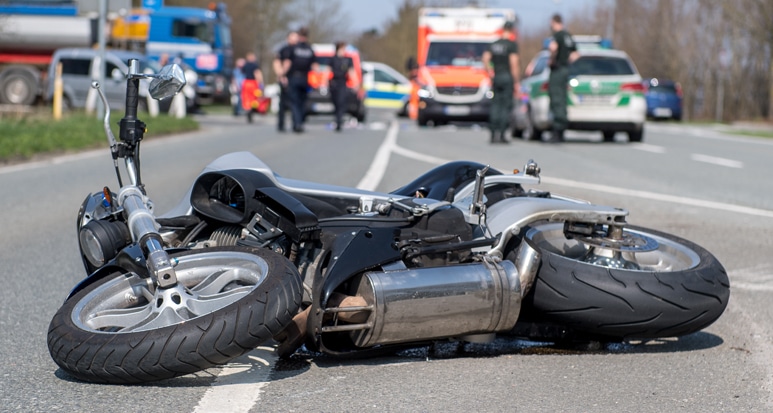
If you find yourself in an accident, there are certain steps you should take to ensure your safety and well-being. The first thing to do is to stop your motorcycle and check yourself for injuries. If you are not seriously injured, move to a safe location and call emergency services.
Motorcycle accidents can be devastating, causing serious injuries or even death. In this comprehensive guide, we will discuss some of the most frequently asked questions about motorcycle accidents. Whether you are a rider, a passenger, or a driver, it is important to understand the risks and the steps you can take to prevent accidents.
Frequently Asked Questions
What are the most common causes of motorcycle accidents in California, and does lane splitting play a role?
In California, the leading causes of motorcycle accidents include left-turn collisions where drivers fail to yield to oncoming motorcycles, distracted driving, speeding, and driving under the influence — but lane splitting is also a significant factor. California is the only U.S. state where lane splitting is explicitly legal under California Vehicle Code 21658.1, which means fault in a lane-splitting accident depends heavily on whether the motorcyclist was riding in a 'safe and prudent manner.' If another driver cuts you off during a lane split, they may still be fully or partially liable, and California's comparative fault rules under Civil Code 1714 allow you to recover damages even if you were partly at fault.
Does California actually require motorcyclists to wear a helmet, and what happens to my case if I wasn't wearing one?
Yes — California Vehicle Code 27803 requires all motorcycle riders and passengers to wear a DOT-compliant helmet at all times, with no exceptions based on age or experience. If you were injured in an accident while not wearing a helmet, the defense will almost certainly argue that your head or brain injuries were worsened by your choice, and a jury may reduce your compensation under California's pure comparative negligence rule (Civil Code 1714). That said, not wearing a helmet does not bar you from recovering damages entirely — it only affects injuries that a helmet would have reasonably prevented, so injuries to your legs, spine, or torso are generally unaffected by this argument.
How long do I have to file a motorcycle accident lawsuit in California before I lose my right to sue?
In California, you generally have two years from the date of your motorcycle accident to file a personal injury lawsuit, under the statute of limitations established by California Code of Civil Procedure 335.1. However, if your accident involved a government vehicle — such as a city bus, county sheriff's vehicle, or Caltrans truck — you must file a government tort claim with the relevant agency within just six months of the accident under the California Government Claims Act (Government Code 911.2), or you will likely lose your right to sue permanently. Given how quickly these deadlines can sneak up on you, especially while you are focused on recovering, we strongly recommend speaking with an attorney as soon as possible after your accident.
What compensation can I actually recover after a motorcycle accident in California, and are there any caps on damages?
In a California motorcycle accident claim, you may be entitled to economic damages — including all past and future medical expenses, lost wages, loss of earning capacity, and costs of ongoing rehabilitation — as well as non-economic damages for pain and suffering, emotional distress, and loss of enjoyment of life. Unlike medical malpractice cases, California does not cap non-economic damages in motorcycle accident cases, so serious injuries can result in substantial recoveries. If the at-fault driver was acting with malice, oppression, or fraud — for example, if they were a repeat DUI offender — you may also pursue punitive damages under California Civil Code 3294, which are designed to punish extreme misconduct rather than just compensate the victim.
What are the biggest mistakes injured motorcyclists make after an accident in California that hurt their insurance claim?
One of the most damaging mistakes is giving a recorded statement to the at-fault driver's insurance company without an attorney present — insurers are trained to ask questions that minimize your injuries or shift blame onto you, and California law does not require you to cooperate with the opposing insurer. Another critical error is delaying medical treatment, because insurers will argue that a gap in care means your injuries were not serious or were caused by something other than the accident. Finally, many riders fail to document protective gear they were wearing at the time of the crash — photos of your helmet, jacket, gloves, and boots can directly counter defense arguments that your injuries were caused by negligence on your part under California's comparative fault framework.
How does the claims process actually work after a motorcycle accident in California — what steps should I expect?
After a California motorcycle accident, the process typically begins with filing a claim with the at-fault driver's liability insurer, while simultaneously preserving evidence such as the police report, witness statements, medical records, and photos of your gear and the scene. California follows a fault-based insurance system, meaning the at-fault driver's insurer is responsible for your damages, but if they deny liability or offer a lowball settlement, your attorney can file a lawsuit in the appropriate California Superior Court — for example, Los Angeles County Superior Court or San Francisco County Superior Court — within the two-year window under CCP 335.1. Most cases resolve through negotiated settlement before trial, but having an experienced attorney from the start ensures that demand packages are built with full documentation of your losses, giving you the strongest possible leverage during negotiations.