
Hydroplaning Accidents with Legal Help: What You Need to Know
Whether you've been injured in an accident, are dealing with a personal injury claim, or facing another legal issue, Mendez & Sanchez APC is here to fight for you. Contact us today for a free, no-obligation consultation.
Call Us Now
Rainy weather can be a beautiful thing, but when it comes to driving, it can be a dangerous thing. One of the biggest hazards on wet roads is hydroplaning, which occurs when a layer of water builds up between the tires of a car and the road, causing the driver to lose control. Hydroplaning accidents can cause serious injuries and even fatalities, and if you've been involved in one, you may need legal help. In this article, we'll cover what you need to know about hydroplaning accidents and the legal options available to you.
What is Hydroplaning?
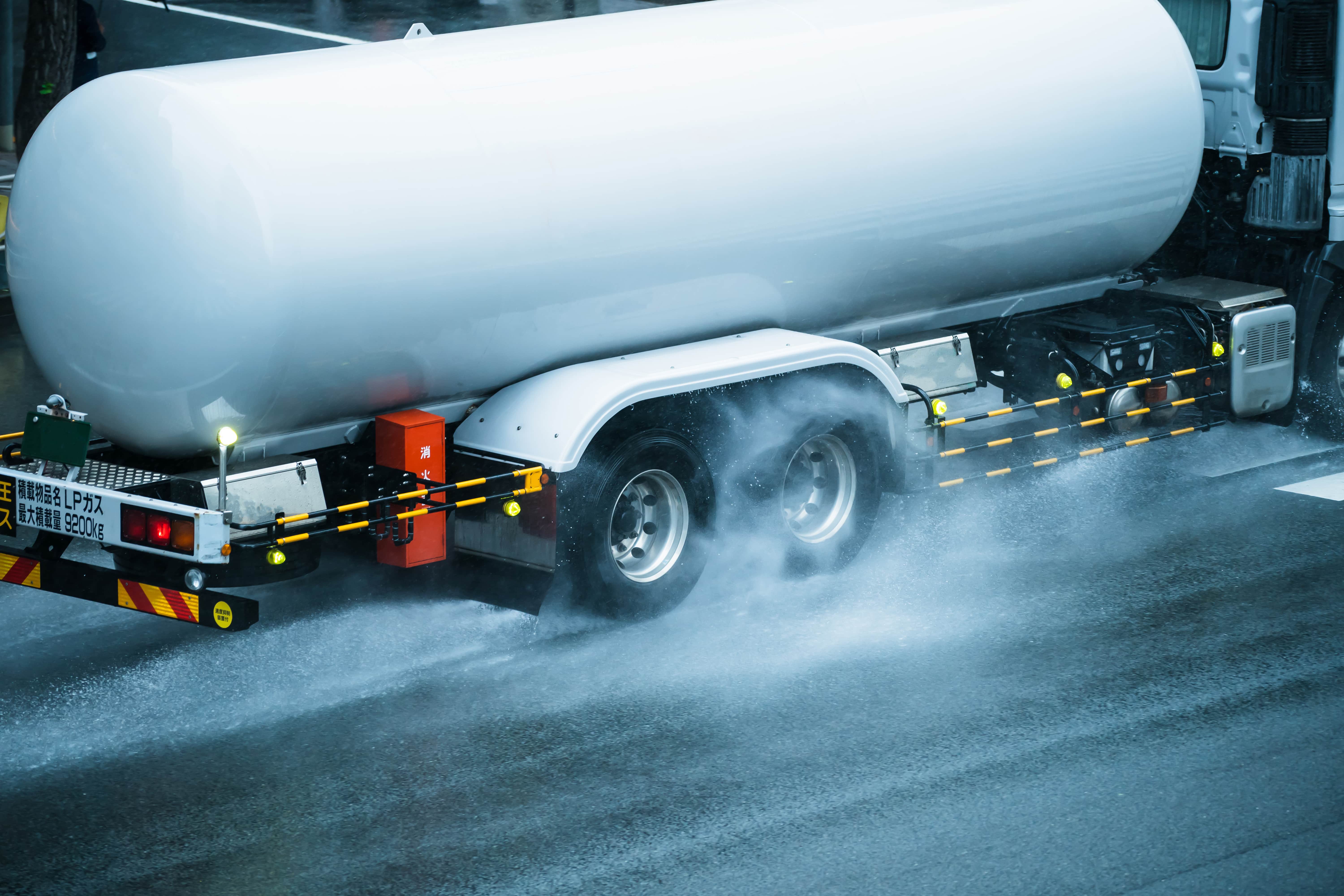
Hydroplaning is when a layer of water builds up between the tires of a car and the road, causing the tires to lose contact with the road surface. This can result in the driver losing control of the vehicle and potentially causing an accident. Hydroplaning can happen at any speed, but it's more likely to occur at higher speeds, especially in heavy rain or standing water.
Causes of Hydroplaning Accidents
Several factors can contribute to hydroplaning accidents. The most common include:
Speed
Driving too fast for the road conditions is a leading cause of hydroplaning accidents. The faster you drive, the less time your tires have to remove water from the road, which increases the likelihood of hydroplaning.
Tire Tread
Tire tread is what allows your tires to grip the road surface. Worn or bald tires are much more likely to hydroplane than tires with good tread.
Standing Water
Standing water on the road can cause hydroplaning, especially if it's deep enough to cover your tires.
Road Surface
Road surfaces with poor drainage or that are heavily grooved can increase the risk of hydroplaning.
Common Injuries from Hydroplaning Accidents
Hydroplaning accidents can cause a range of injuries, from minor cuts and bruises to more serious injuries, including:
Whiplash
Whiplash is a common injury in car accidents, and it can occur in hydroplaning accidents when the force of the impact causes your head and neck to snap forward and back.
Head Injuries
Head injuries can range from minor concussions to more serious traumatic brain injuries.
Broken Bones
Broken bones are a common injury in car accidents and can be caused by the force of the impact.
Internal Injuries
Internal injuries can be life-threatening and may not be immediately apparent. If you experience any pain or discomfort after a hydroplaning accident, seek medical attention right away.
What Should You Do If You're Involved in a Hydroplaning Accident?
Seek Medical Attention
If you or anyone else involved in the accident is injured, seek medical attention immediately. Even if you don't feel any pain or discomfort, it's important to get checked by a healthcare professional to rule out any internal injuries or other conditions that may not be apparent right away.
Contact Law Enforcement
Call 911 or your local law enforcement agency to report the accident. An officer will be dispatched to the scene to investigate the accident, file a police report, and gather evidence that may be helpful in your case.
Collect Information
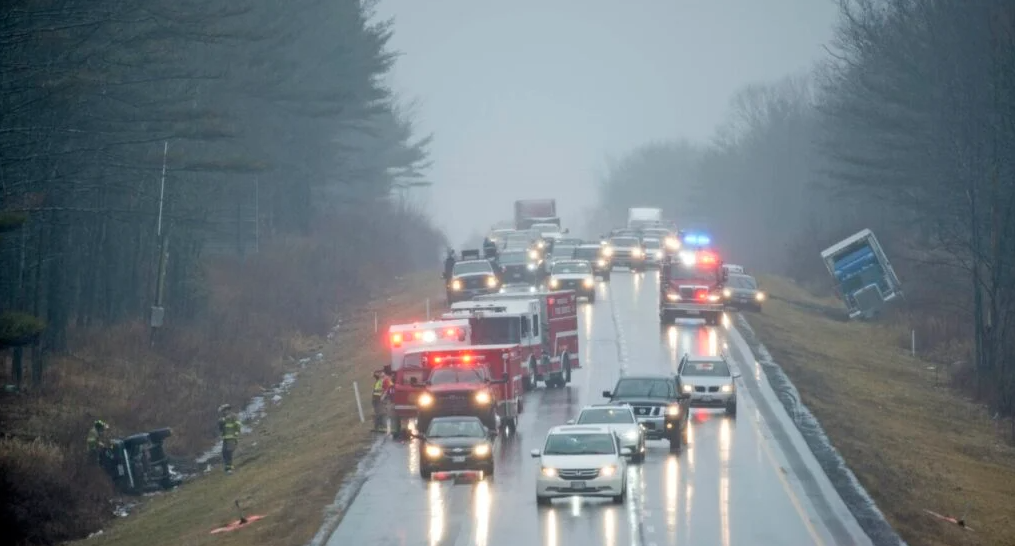
Gather as much information as possible about the accident, including the names and contact information of all parties involved, the make and model of the vehicles, the license plate numbers, and the insurance information. You should also take photos of the accident scene, including the vehicles involved, any damage, and the road conditions.
Contact Your Insurance Company
Notify your insurance company of the accident as soon as possible. Your insurance policy may provide coverage for medical expenses, property damage, and other costs related to the accident. Your insurer may also assign an adjuster to your case who can help you navigate the claims process.
Consult with an Attorney
If you've been injured in a hydroplaning accident, it's important to consult with an attorney who specializes in personal injury law. An attorney can help you understand your legal rights and options and may be able to help you recover compensation for your injuries, lost wages, and other damages.
If you've been involved in a hydroplaning accident, you may be entitled to compensation for your injuries and other losses. A personal injury lawyer can help you navigate the legal process and ensure that you receive the compensation you deserve. Here are some of the legal options available to you:
Filing a Personal Injury Claim
If you've been injured in a hydroplaning accident, you may be able to file a personal injury claim against the at-fault driver. A personal injury claim seeks compensation for your injuries and other losses, including medical expenses, lost wages, and pain and suffering.
Filing an Insurance Claim
If the at-fault driver has insurance, you may be able to file a claim with their insurance company. An insurance claim seeks compensation for your injuries and other losses, but it's important to remember that insurance companies are in the business of making money, and they may try to minimize your compensation.
Frequently Asked Questions
How long do I have to file a lawsuit after a hydroplaning accident in California?
In California, you generally have two years from the date of your hydroplaning accident to file a personal injury lawsuit, under the statute of limitations established by California Code of Civil Procedure Section 335.1. If the accident involved a government entity — such as a city with poorly maintained drainage on a public road — you must file a government tort claim within just six months of the incident before you can sue. Missing either of these deadlines almost always means losing your right to compensation entirely, so it's critical to consult a personal injury attorney as soon as possible after your accident.
What if I was partly at fault for the hydroplaning accident — can I still get compensated in California?
Yes, California follows a pure comparative fault rule under California Civil Code Section 1714, which means you can still recover compensation even if you were partially responsible for the hydroplaning accident. However, your total compensation will be reduced by your percentage of fault — for example, if you're found 30% at fault, you'll receive 70% of your total damages. This makes it especially important to work with an experienced personal injury attorney who can build a strong case to minimize your assigned fault percentage and maximize your recovery.
Can I sue the city or county if bad road drainage caused my hydroplaning accident?
Absolutely — if poor road design, inadequate drainage, or lack of maintenance on a public road contributed to your hydroplaning accident, you may have a valid claim against a California government entity under the California Government Code Section 835, which holds public entities liable for dangerous conditions on public property. The critical catch is that you must file a formal government tort claim within six months of the accident, a much shorter window than the standard two-year personal injury deadline. An attorney can help you gather the engineering records, maintenance logs, and expert testimony needed to prove the government's negligence in these complex cases.
How much money can I realistically expect to get from a hydroplaning accident settlement in California?
Settlement amounts for hydroplaning accidents in California vary widely depending on the severity of your injuries, your medical expenses, lost income, and the degree of the other driver's fault — minor injury cases might settle in the range of $15,000 to $50,000, while serious injuries like traumatic brain injuries or spinal damage can result in settlements of $500,000 or more. California allows recovery for both economic damages (medical bills, lost wages, property damage) and non-economic damages (pain and suffering, emotional distress) under California Civil Code Section 3333. There is no cap on non-economic damages in personal injury cases in California outside of medical malpractice, which works in favor of seriously injured accident victims.
What mistakes do people usually make after a hydroplaning accident that hurt their legal case?
One of the most damaging mistakes is giving a recorded statement to the insurance company before speaking with an attorney — adjusters are trained to ask questions in ways that can minimize or deny your claim, and anything you say can be used against you. Another common mistake is delaying medical treatment, since insurers will argue that your injuries weren't serious or weren't caused by the accident if there's a gap in care. In California, you should also avoid posting anything about the accident or your injuries on social media, as defense attorneys and insurers routinely search for posts that can be used to contradict your claims.
Does California law require drivers to slow down in the rain, and can that be used to prove the other driver was negligent?
Yes — California Vehicle Code Section 22350, known as the Basic Speed Law, requires drivers to drive at a speed that is safe and reasonable for current road and weather conditions, regardless of the posted speed limit. If another driver was traveling at a speed that caused or contributed to a hydroplaning accident on wet roads, that violation of CVC 22350 can be powerful evidence of negligence in your personal injury claim. Your attorney can use the police report, witness statements, and accident reconstruction experts to demonstrate that the driver's speed was unreasonable given the rain conditions, strengthening your case for full compensation.
My car was totaled in a hydroplaning accident that wasn't my fault — who pays for it and how does that process work in California?
If another driver was at fault for the hydroplaning accident, you can file a property damage claim directly against their liability insurance to recover the actual cash value of your totaled vehicle, which is the fair market value at the time of the loss — not what you paid for it or what it would cost to replace it new. If the at-fault driver was uninsured or underinsured, your own uninsured/underinsured motorist (UM/UIM) coverage, which California insurers are required to offer under California Insurance Code Section 11580.2, may cover your vehicle and other losses. If the insurance company offers you a lowball settlement for your vehicle's value, you have the right to negotiate or dispute the valuation, and an attorney can help you push back effectively.