
Common Personal Injury Claims Handled by Los Angeles Lawyers
Whether you've been injured in an accident, are dealing with a personal injury claim, or facing another legal issue, Mendez & Sanchez APC is here to fight for you. Contact us today for a free, no-obligation consultation.
Call Us Now.jpg&w=3840&q=75)
Table of Contents
I. Introduction
II. Car Accidents
III. Slip and Fall Accidents
IV. Medical Malpractice
V. Product Liability
VI. Workplace Accidents
VII. Alarming Statistics
VIII. Conclusion
IX. FAQs
Introduction
Personal injuries can occur in various situations, from car accidents to slip and fall incidents. When individuals suffer harm due to someone else's negligence or wrongdoing, they may be entitled to compensation for their damages. In Los Angeles, lawyers specializing in personal injury claims are well-versed in handling a wide range of cases. This article will explore some of the common personal injury claims handled by Los Angeles lawyers, providing valuable insights into the legal aspects and potential compensation involved in each situation.
1. Car Accidents
.png)
Car accidents are one of the leading causes of personal injury claims in Los Angeles. With heavy traffic and a large number of drivers on the road, accidents can happen due to various factors, such as distracted driving, speeding, or drunk driving.
Causes of car accidents
Car accidents can occur due to several reasons, including:
- Distracted driving, such as texting or using a mobile device while driving.
- Speeding or reckless driving.
- Driving under the influence of alcohol or drugs.
- Failure to obey traffic laws, such as running red lights or stop signs.
- Poor weather conditions or road hazards.
Types of injuries from car accidents
Car accidents can result in a wide range of injuries, including:
- Whiplash and neck injuries.
- Broken bones and fractures.
- Back and spinal cord injuries.
- Head injuries and concussions.
- Internal injuries and organ damage.
Steps to take after a car accident
If you're involved in a car accident, it's crucial to take certain steps to protect your rights and ensure a smooth personal injury claim process:
- Ensure safety: Move to a safe location if possible and call emergency services.
- Gather information: Exchange contact and insurance details with the other driver(s) involved.
- Document the scene: Take photos of the accident scene, vehicle damage, and any visible injuries.
- Seek medical attention: Even if you feel fine, get a medical evaluation to identify any hidden injuries.
- Report the accident: Notify your insurance company about the accident.
- Consult an attorney: Contact an experienced personal injury lawyer to guide you through the legal process.
2. Slip and Fall Accidents
%20(1).png)
Slip and fall accidents can occur on someone else's property due to hazardous conditions, such as wet floors, uneven surfaces, or inadequate lighting. Property owners have a legal duty to maintain their premises and ensure the safety of visitors.
Causes of slip and fall accidents
Slip and fall accidents can happen due to various factors, including:
- Wet or slippery floors.
- Uneven or cracked sidewalks.
- Poorly lit areas.
- Loose rugs or carpets.
- Obstacles or debris in walkways.
Types of injuries from slip and fall accidents
Slip and fall accidents can result in different types of injuries, including:
- Sprains and strains.
- Fractures and broken bones.
- Head injuries and concussions.
- Back and spinal cord injuries.
- Bruises and contusions.
Responsibilities of property owners
Property owners have a legal duty to ensure the safety of visitors on their premises. This includes:
- Regular maintenance and inspection of the property.
- Promptly fixing any hazardous conditions.
- Providing adequate warning signs for potential dangers.
- Exercising reasonable care to prevent accidents.
In case of a slip and fall accident, consulting an experienced personal injury lawyer can help determine liability and pursue appropriate compensation.
3. Medical Malpractice
.jpg)
Medical malpractice occurs when healthcare professionals fail to provide an acceptable standard of care, resulting in harm or injury to patients. These cases require a thorough investigation to establish negligence.
Definition of medical malpractice
Medical malpractice refers to the negligence or misconduct of healthcare professionals that deviates from the accepted standards of care in the medical community. It can involve doctors, nurses, surgeons, pharmacists, or other medical professionals.
Common types of medical malpractice cases
Some common types of medical malpractice cases include:
- Misdiagnosis or delayed diagnosis.
- Surgical errors or wrong-site surgery.
- Medication errors or wrong prescriptions.
- Birth injuries and obstetric malpractice.
- Anesthesia errors.
- Hospital-acquired infections.
Negligence and medical malpractice
To prove medical malpractice, the following elements need to be established:
- The existence of a doctor-patient relationship.
- The healthcare professional's deviation from the accepted standard of care.
- A causal connection between the negligence and the patient's injury.
- The patient's resulting damages and harm.
Medical malpractice claims can be complex, requiring expert testimony and extensive legal knowledge. Engaging a skilled personal injury attorney is crucial to navigate through the intricacies of such cases.
4. Product Liability
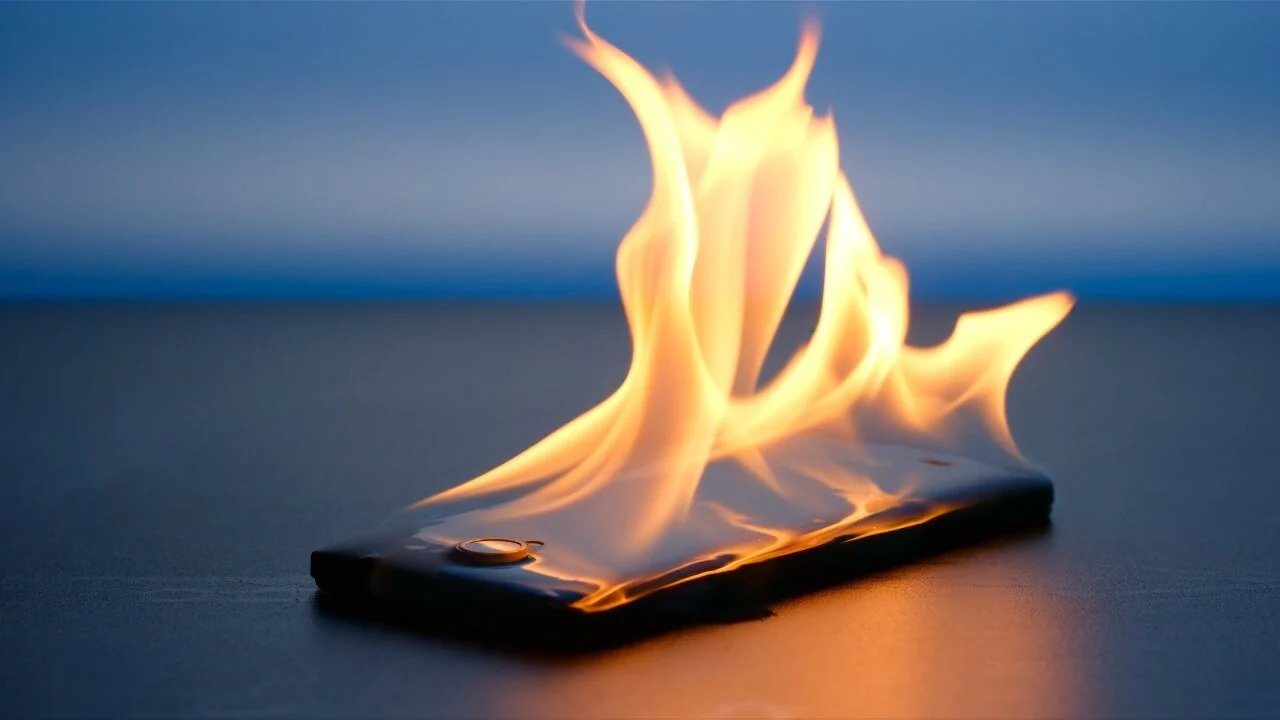
Product liability cases involve injuries caused by defective or dangerous products. Manufacturers, distributors, and sellers can be held accountable for injuries resulting from product defects.
Types of product defects
Product defects can be classified into three main categories:
- Design defects: Flaws in the product's design, making it inherently dangerous.
- Manufacturing defects: Errors that occur during the manufacturing process, making specific units of the product unsafe.
- Marketing defects: Inadequate instructions, warnings, or labeling that fail to provide necessary information or precautions for safe usage.
Injuries caused by defective products
Defective products can cause a wide range of injuries, including:
- Burns and electrical shocks.
- Choking or suffocation.
- Cuts and lacerations.
- Toxic exposure and poisoning.
- Internal injuries or organ damage.
Legal recourse for product liability cases
If you've been injured by a defective product, you may be eligible for compensation through a product liability claim. To pursue a successful claim, it's essential to establish:
- The product's defectiveness or dangerousness.
- That the defect directly caused the injuries.
- The damages and losses suffered due to the product defect.
Consulting an experienced personal injury lawyer specializing in product liability is crucial to navigate the legal complexities and maximize your chances of receiving fair compensation.
5. Workplace Accidents
.jpg)
Workplace accidents can happen in various industries and occupations. Employers have a legal responsibility to maintain a safe working environment and provide adequate training and safety measures for their employees.
Types of workplace accidents
Common types of workplace accidents include:
- Slips, trips, and falls.
- Machinery or equipment accidents.
- Exposure to hazardous substances or chemicals.
- Repetitive motion injuries.
- Construction site accidents.
Employer's responsibility for workplace safety
Employers are legally obligated to:
- Identify and mitigate workplace hazards.
- Provide appropriate safety equipment and protective gear.
- Train employees on safety protocols.
- Regularly inspect and maintain workplace equipment.
- Comply with occupational health and safety regulations.
Workers' compensation for workplace injuries
In case of a workplace injury, employees are generally entitled to workers' compensation benefits. These benefits may include:
- Medical expenses.
- Lost wages and income replacement.
- Rehabilitation and vocational training.
- Permanent disability compensation.
Workers' compensation laws can vary, so it's advisable to consult an experienced personal injury lawyer to understand your rights and ensure you receive the appropriate benefits.
Alarming Statistics
Car Accidents:
- According to the National Highway Traffic Safety Administration (NHTSA), distracted driving accounted for 8.5% of fatal crashes in the United States in 2019.
- Speeding was a contributing factor in 26% of all traffic fatalities in the same year (NHTSA).
- The Centers for Disease Control and Prevention (CDC) reports that alcohol-impaired driving accounted for 28% of all traffic-related deaths in the U.S. in 2019.
Slip and Fall Accidents:
- The National Floor Safety Institute (NFSI) states that slips and falls account for over one million hospital visits in the U.S. each year.
- The Consumer Product Safety Commission (CPSC) reports that floors and flooring materials contribute directly to more than 2 million fall injuries each year.
Medical Malpractice:
- A study published in the Journal of the American Medical Association (JAMA) estimated that medical malpractice is the third leading cause of death in the United States, resulting in over 250,000 deaths annually.
- The National Practitioner Data Bank (NPDB) reported a total of 17,094 medical malpractice payment reports in 2019.
Product Liability:
- The Consumer Product Safety Commission (CPSC) estimated that in 2019, there were approximately 226,100 emergency department-treated injuries associated with toys and nursery products among children under the age of 5.
- According to the Insurance Information Institute (III), defective product injuries and related deaths cost an estimated $2 billion in medical expenses each year.
Workplace Accidents:
- The Occupational Safety and Health Administration (OSHA) reported that in 2019, there were 5,333 workplace fatalities in the United States.
- According to the Bureau of Labor Statistics (BLS), in 2019, overexertion and bodily reaction, slips, trips, and falls, and contact with objects and equipment were among the leading causes of nonfatal workplace injuries.
Conclusion
Personal injury claims in Los Angeles cover a wide range of situations, from car accidents and slip and fall incidents to medical malpractice, product liability, and workplace accidents. Seeking legal representation from experienced personal injury lawyers is crucial to navigate the complexities of these cases and pursue fair compensation for injuries, damages, and losses. Remember, consulting a lawyer early on can provide valuable guidance and increase the chances of a successful claim.
Frequently Asked Questions
What steps should I take immediately after a car accident in Los Angeles to protect my injury claim?
After a Los Angeles car accident, call 911 to file a police report, seek medical attention even if you feel fine — gaps in treatment are one of the most common reasons insurers deny claims — and photograph the scene, vehicle damage, and any visible injuries. California is an at-fault state, meaning the driver who caused the accident is financially responsible, so documenting fault from the start is critical. Exchange insurance information and avoid admitting fault at the scene, then consult a personal injury attorney promptly, because California's statute of limitations under Code of Civil Procedure Section 335.1 gives you only two years from the date of the accident to file a lawsuit.
How long do I have to sue for personal injury in California, and are there exceptions that could shorten my deadline?
California's general personal injury statute of limitations is two years from the date of injury under Code of Civil Procedure Section 335.1, but several important exceptions can significantly shorten that window. If your claim involves a government entity — such as a pothole on a Los Angeles city street or a negligent county employee — you must file a government tort claim with the agency within just six months of the incident under the California Government Claims Act before you can sue. Claims involving minors are tolled until the child turns 18, but medical malpractice cases carry their own separate deadline of three years from the injury or one year from discovery, whichever comes first, under California Code of Civil Procedure Section 340.5, making it essential to consult an attorney as soon as possible.
Can I sue a store in Los Angeles if I slipped and fell on a wet floor and they had no warning sign posted?
Yes — under California premises liability law, store owners owe a duty of care to customers and can be held liable when a dangerous condition like a wet floor causes injury, especially if no warning sign was posted and the hazard was known or should have been discovered through reasonable inspection. To succeed, you will need to show that the store knew or should have known about the dangerous condition and failed to remedy it or warn customers in time, which is established under California Civil Code Section 1714. Critically, California follows a pure comparative fault rule, meaning even if you are found partially responsible — for example, for not watching where you were walking — you can still recover damages reduced by your percentage of fault, so do not assume a shared-fault situation kills your case.
What is the cap on damages in a California medical malpractice case, and does it affect how much I can recover?
California's Medical Injury Compensation Reform Act, known as MICRA, historically capped non-economic damages — things like pain and suffering — at $250,000 in medical malpractice cases, but a major update through AB 35 increased that cap to $350,000 for non-death cases as of January 1, 2023, rising annually until it reaches $750,000 by 2033. Importantly, this cap applies only to non-economic damages; your economic damages — including all past and future medical bills, lost wages, and loss of earning capacity — are uncapped and can be fully recovered. Given the complexity of MICRA's rules, the strict three-year filing deadline under CCP Section 340.5, and the requirement to obtain expert medical testimony, working with a California personal injury attorney experienced in malpractice cases is essential to maximizing your recovery.
How do I prove a product was defective and hold the manufacturer liable for my injuries in California?
California follows strict product liability law established in the landmark case Greenman v. Yuba Power Products, meaning you do not have to prove the manufacturer was negligent — only that the product had a defect, the defect existed when it left the manufacturer's control, and that defect caused your injuries. Defects fall into three categories recognized under California law: design defects, manufacturing defects, and failure to warn, and each requires a different legal strategy and often independent expert analysis. Because the entire supply chain — including manufacturers, distributors, and retailers who sold the product in California — can be held jointly liable under California's strict liability doctrine, an experienced attorney can help identify all responsible parties and build a case that pursues the maximum compensation available for your medical expenses, lost income, and pain and suffering.