
Common Injuries You Face After a Bicycle Accident: A Guide
Whether you've been injured in an accident, are dealing with a personal injury claim, or facing another legal issue, Mendez & Sanchez APC is here to fight for you. Contact us today for a free, no-obligation consultation.
Call Us Now
Cycling has become an increasingly popular mode of transportation and exercise in recent years, but with its rise in popularity comes an increased risk of accidents. Unfortunately, the statistics tell us that in 2020 alone, California reported over 11,000 bicycle accidents, with 9,348 bicycle injuries consequently.
Table of Contents
- The Injuries
- Conclusion
These accidents can have devastating outcomes, ranging from cuts and bruises to broken bones, traumatic brain injuries, and even death. Being involved in a bicycle accident can be a traumatic experience, and it's important to know what you could face and what to do immediately after the accident.
The Injuries
1. Head and Brain Injuries:

Head and brain injuries are among the most severe and dangerous injuries cyclists may experience. According to recent statistics, head injuries account for about 60% of all bicycle accident fatalities. Even if the victim survives, they may suffer from long-term disabilities or cognitive impairments. Wearing a helmet can reduce the risk of head injury by up to 85%, but it cannot completely prevent them. The scary factor of this injury is that it may not be immediately apparent, it could take hours, days or even weeks to show symptoms, which is why it’s so important to always check yourself with trained professionals. If you believe you are suffering a head or brain injury, immediately contact emergency services to check on you, don’t move and avoid any physical strain, ask for help from nearby bystanders to assist you in taking photos or information of the accident.
Common Symptoms: Headache, Loss of consciousness, Nausea, Confusion, Dizziness, Blurred Vision, and Memory Loss.
2. Spinal Cord Injuries:

Spinal cord injuries have a huge impact on your daily life, they can cause paralysis, loss of sensation, and chronic pain. Although spinal cord injuries only account for about 10% of all bicycle accident injuries, it's still a concerning statistic that highlights the severity of these types of injuries. If you suspect you have a spinal cord injury, do not move until medical professionals arrive, they will immobilize your neck and back to prevent further injury. If you are conscious make sure to tell good Samaritans nearby not to move you and to assist in recollecting evidence and contacting medical assistance.
Common Symptoms: Loss of sensation, Paralysis, Chronic Pain, Difficulty breathing, Loss of bowel or bladder control.
3. Fractures:
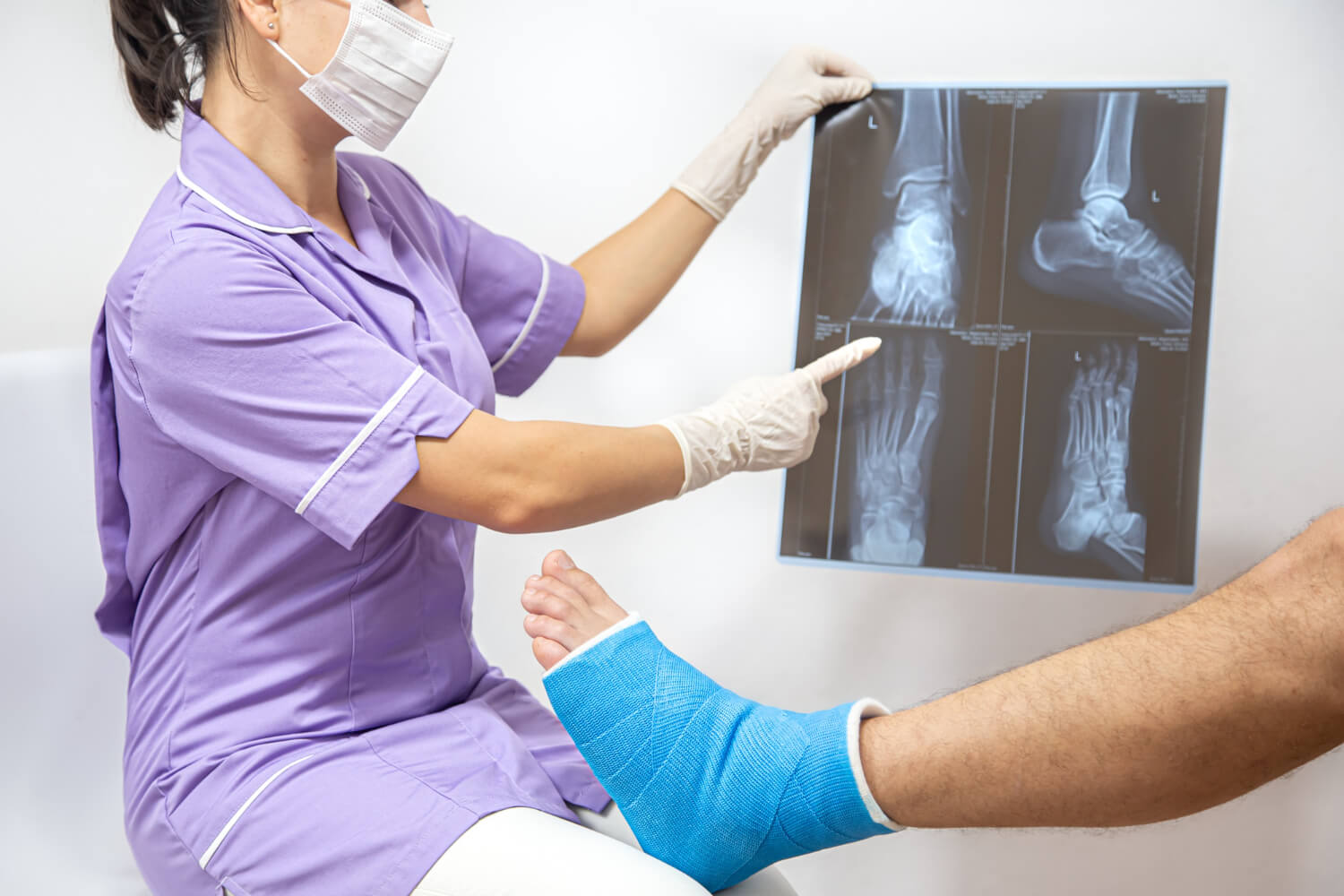
Fractures, or broken bones are present in 30% of all bicycle accidents, and they can occur in different parts of the body. In most cases, fractures occur due to the force of impact during the accident, and they can range from simple fractures to more severe compound fractures. Fractures in the arms and legs are among the most common types of fractures in bicycle accidents. A person may experience a fracture in the upper arm, forearm, wrist, or hand, or in the thigh, shin, or ankle. Fractures in the ribs or pelvis are less common, but can be severe. Fractures and broken bones are very painful, despite this, it can help the victim determine it quickly. Make sure to avoid any physical movement on that body part and seek medical attention to be treated appropriately.
Symptoms: Pain, Swelling, Difficulty Moving, Visible Deformity.
4. Road Rash:
.jpg)
Road rash is a common injury in bicycle accidents, and it is caused by sliding on the pavement. When a cyclist falls off their bike, their skin can come into contact with the rough pavement, resulting in abrasions or cuts. Road rash can occur on any part of the body, but it is most commonly found on the legs, arms, hands, and face. Road rash can range in severity, with some cases causing only minor scrapes and others resulting in deep abrasions that may require medical attention. The severity of the injury depends on various factors, such as the speed of the cyclist, the roughness of the pavement, and the use of protective clothing. Regardless of the severity, make sure to immediately clean the injury with fresh water, if you have a way to disinfect it with alcohol, even better. It’s ideal to do this as soon as possible as it greatly reduces the risk of infection which cam turn this injury into a worst nightmare.
Common Symptoms: Pain, Tenderness, Redness, Bleeding, Swelling, Blister Formation.
5. Soft Tissue Injuries:

Soft tissue injuries are caused by sudden impacts, twists, or jerks that can occur during a bicycle accident. When a cyclist falls off their bike or collides with a vehicle, the impact can cause damage to the soft tissues in their body. Soft tissue injuries may include sprains, strains, and bruises, and can affect various parts of the body, such as the neck, back, shoulders, and limbs. Although it may sound like a light injury, if left untreated it may lead to long-term consequences such as chronic pain and limited mobility, which could have a detrimental impact on your daily living and work. If you feel this injury the most important thing to do is to discard any potential threats and treat yourself accordingly following medical professionals’ advice.
Common Symptoms: Pain, Tenderness, Swelling, Bruising, Weakness, Instability, Difficulty Walking, Numbness, Tingles.
Conclusion
Bicycle accidents can cause a range of injuries that can drastically impact your life, from minor road rash to life-changing spinal cord injuries. Your priority should always be to seek immediate medical attention and focus on your recovery. That's where a personal injury attorney can help.
It's important to remember that prevention is the best medicine. Always wear a helmet when cycling, obey traffic laws, and stay alert to your surroundings. If you're involved in a bicycle accident, seek medical attention immediately, and document your injuries and any expenses associated with your treatment. With the right support and guidance, you can navigate the aftermath of a bicycle accident and move forward with confidence.
With an experienced personal injury attorney by your side, you don't have to face the legal system alone. They can provide you with the guidance and support you need to navigate the complex legal process and obtain the justice and compensation you deserve. By taking on the task of gathering evidence and building a strong case on your behalf, they allow you to focus on what's most important - your recovery and healing. With their help, you can confidently pursue your legal options and hold the responsible parties accountable for their actions. Don't let a bicycle accident derail your life - let an experienced attorney help you get back on track.
Credits: Main Image by prostooleh on Freepik
Frequently Asked Questions
How long do I have to file a lawsuit after a bicycle accident in California?
In California, you generally have two years from the date of your bicycle accident to file a personal injury lawsuit, under California Code of Civil Procedure Section 335.1. However, if your accident involved a government entity — such as a city-owned vehicle or a poorly maintained public road — you must file a government tort claim within just six months of the incident under the California Government Code Section 911.2. Missing either deadline can permanently bar you from recovering compensation, so it's critical to speak with an attorney as soon as possible after your accident.
What compensation can I actually recover after a serious bicycle accident injury in California?
In California, bicycle accident victims can pursue two main categories of damages: economic damages, which cover measurable losses like medical bills, future treatment costs, lost wages, and reduced earning capacity, and non-economic damages, which compensate for pain and suffering, emotional distress, and loss of enjoyment of life. In cases involving traumatic brain injuries or spinal cord injuries, lifetime care costs alone can reach into the millions, and California law does not cap these damages in personal injury cases — only in medical malpractice cases under MICRA. An experienced personal injury attorney can help you work with medical and financial experts to calculate the full value of your claim and fight for every dollar you deserve.
Can I still get money if I was partially at fault for my bicycle accident in California?
Yes — California follows a pure comparative negligence rule, meaning you can still recover compensation even if you were partially at fault for the accident, as established under California Civil Code Section 1714 and reinforced by the landmark case Li v. Yellow Cab Co. (1975). Your total recovery is simply reduced by your percentage of fault — for example, if you were found 30% at fault and your damages totaled $100,000, you would still receive $70,000. Insurance companies often try to inflate your share of fault to minimize payouts, so having a skilled attorney negotiate on your behalf can make a significant difference in your final settlement.
What should I do right after a bicycle accident if I think I have a head injury but I feel fine?
You should seek emergency medical evaluation immediately, even if you feel fine, because traumatic brain injuries are notoriously deceptive — symptoms like confusion, memory loss, nausea, and behavioral changes can take hours or even days to appear after the initial trauma. California courts and insurance adjusters rely heavily on medical records to establish the connection between the accident and your injuries, so a gap in treatment can seriously undermine your legal claim later. While waiting for emergency services, do not move if you suspect a spinal or head injury, ask bystanders to help document the scene with photos, and get the names and badge numbers of any responding officers from the local police or California Highway Patrol.
Does a California driver automatically get in trouble if they hit a cyclist and the cyclist gets hurt?
Not automatically, but California law does hold drivers to a high standard of care around cyclists — under California Vehicle Code Section 21760, drivers must pass cyclists at a safe distance of at least three feet, and violating this law is strong evidence of negligence in a personal injury case. California also recognizes the legal doctrine of negligence per se, meaning that if a driver broke a traffic law — such as running a red light or failing to yield — and that violation caused your injuries, their liability can be much easier to establish in court. An attorney can gather police reports, witness statements, and traffic camera footage to build a compelling case on your behalf.
What's the biggest mistake people make after a bicycle accident that hurts their injury claim?
The single most damaging mistake is delaying or skipping medical treatment — both for your health and your legal case. Insurance companies in California will argue that your injuries were not serious, pre-existing, or unrelated to the accident if there is a gap between the crash and your first medical visit, and this argument is surprisingly effective at reducing settlements. A close second mistake is giving a recorded statement to the at-fault driver's insurance company without an attorney present, because adjusters are trained to ask questions that can be used to minimize your payout or shift blame onto you under California's comparative fault rules.
If my soft tissue injury from a bike accident didn't show up on an X-ray, can I still sue for damages in California?
Absolutely — soft tissue injuries like sprains, strains, and ligament damage are real, painful, and legally compensable in California even though they do not show up on standard X-rays. Your attorney will typically work with your medical providers to obtain MRI results, physical therapy records, and physician testimony that document the injury and its impact on your daily life, all of which carry significant weight in California personal injury cases. Courts and juries in California counties like Los Angeles, San Diego, and Sacramento regularly award substantial damages for soft tissue injuries that result in chronic pain or limited mobility, particularly when medical records consistently support the diagnosis.