
Litigation Cases on Construction and Premises Liability Accidents
Whether you've been injured in an accident, are dealing with a personal injury claim, or facing another legal issue, Mendez & Sanchez APC is here to fight for you. Contact us today for a free, no-obligation consultation.
Call Us Now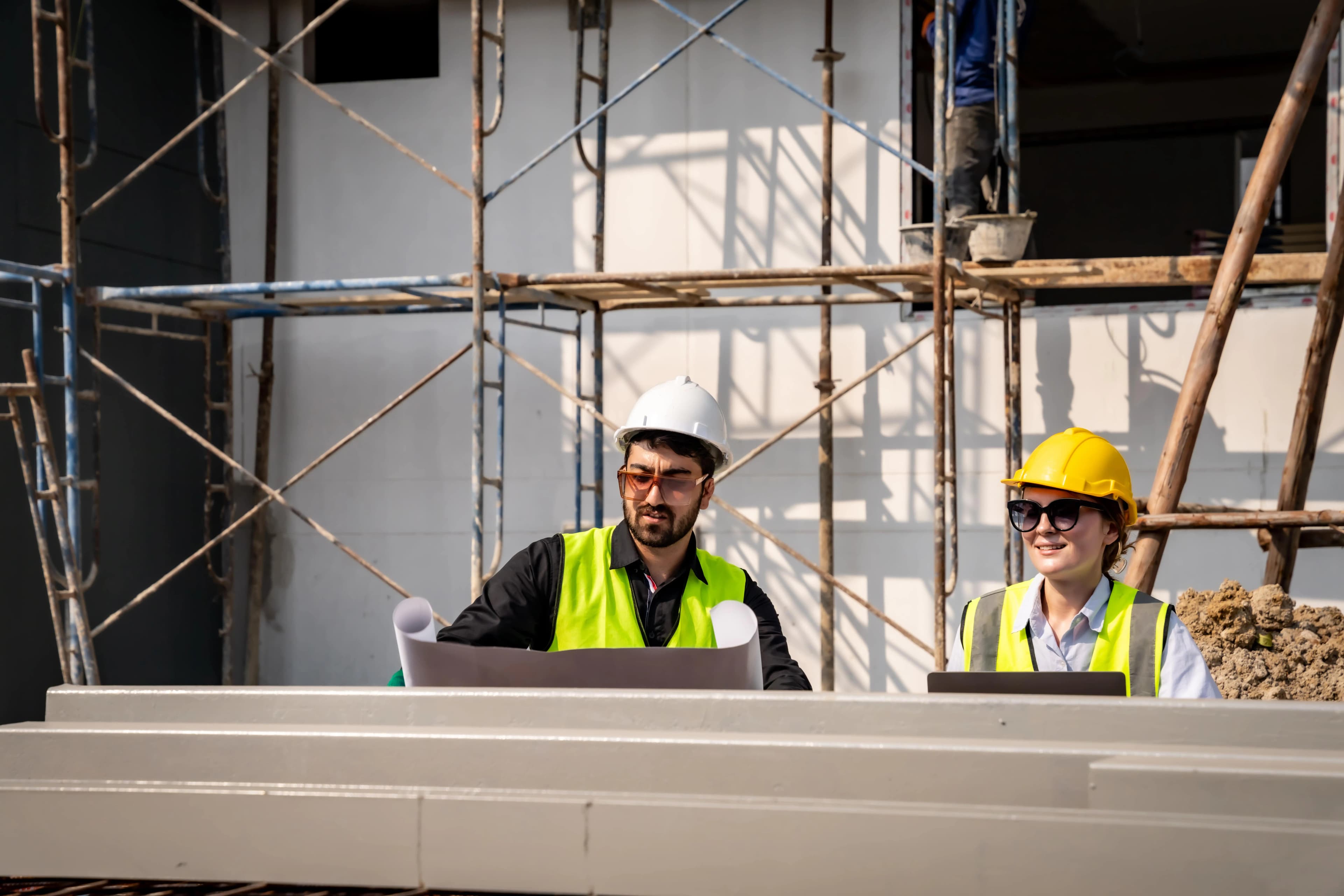
Litigation cases on Construction and Premises liability accidents often involve intricate legal proceedings that revolve around accidents, injuries, and damages occurring on construction sites or within premises such as commercial and residential properties. These cases delve into a wide range of issues, including safety regulations, negligence, liability determination, and compensation claims. In this comprehensive article, we'll guide you through the various aspects of litigation cases on construction and premises liability accidents, shedding light on the legal nuances, responsibilities of parties involved, and key considerations.
Table of Contents
- Conclusion
- Get Informed and Take Action
Litigation cases on Construction and Premises liability accidents involve legal disputes arising from accidents and injuries that occur on construction sites and premises. These cases can encompass a variety of scenarios, including slip and falls, structural failures, electrocutions, and more. Understanding the complexities of these cases is crucial for both legal professionals and individuals seeking insights into their rights and responsibilities.
Defining Premises Liability
Premises liability refers to the legal concept that property owners and occupants are responsible for maintaining safe conditions for visitors and occupants. Accidents occurring on a property due to negligence or hazardous conditions can result in premises liability claims.

| Understanding Premises Liability Accidents Construction accidents encompass a range of incidents, from equipment malfunctions to falls from heights. Negligence plays a significant role in these cases, often determining liability for the accident. | Construction Accidents and Negligence Construction accidents encompass a range of incidents, from equipment malfunctions to falls from heights. Negligence plays a significant role in these cases, often determining liability for the accident. |
| The Role of Negligence in Construction AccidentsProving negligence involves demonstrating that a party breached their duty of care, leading to the accident. This can encompass inadequate safety measures, faulty equipment, or lack of proper training. | Ensuring Worker Safety on Construction SitesConstruction companies must provide proper safety training, maintain equipment, and adhere to Occupational Safety and Health Administration (OSHA) regulations to prevent accidents. |
| Role of Premises Owners in AccidentsProperty owners must maintain their premises in a safe condition to prevent accidents. Failure to do so can lead to premises liability claims. | Establishing Liability in Construction AccidentsDetermining liability in construction accidents requires a thorough investigation to identify the responsible parties, whether it's contractors, subcontractors, or equipment manufacturers. |
| Importance of Regular MaintenanceRegular inspections, repairs, and addressing potential hazards promptly are essential for property owners to prevent accidents and ensuing legal actions. | Investigating and Assigning BlameLegal professionals and investigators work together to gather evidence and determine which parties played a role in causing the accident. |
| Types of Compensation in Premises Liability CasesIn premises liability cases, victims can seek compensation for various damages,including medical expenses, lost wages, pain, and suffering. | Statute of Limitations in Construction and Premises Liability CasesLegal action must be initiated within a specific time frame known as the statute of limitations. This timeline varies based on jurisdiction and the nature of the accident. |
| Seeking Damages in Premises Liability LawsuitsInjured parties can pursue compensation through negotiations or court proceedings, seeking to recover both economic and non-economic damages. | Timely Filing of LawsuitsUnderstanding and adhering to the statute of limitations is crucial, as missing the deadline can result in the dismissal of the case. |
| Mediation and Settlement in Construction CasesMediation and settlement negotiations provide alternatives to trial, allowing parties to reach mutually agreeable resolutions outside the courtroom. | Importance of Expert Witnesses in Construction LitigationExpert witnesses play a crucial role in presenting technical and specialized information to help judges and juries understand complex construction-related matters. |
| Resolving Disputes AmicablyMediation offers a platform for open discussions and negotiations, potentially leading to faster and less costly resolutions. | Presenting Complex InformationExperts, such as engineers and safety specialists, provide insights that can sway the outcome of a case by explaining technical details in layperson's terms. |

| Factors Influencing Premises Liability Claims Several factors can impact the outcome of premises liability claims, including the visitor's legal status, the owner's knowledge of hazards, and the level of care exercised. | Legal Status of Visitors Visitors' status can vary from invitees (owed highest duty) to trespassers (owed minimal duty), affecting the level of care premises owners must provide. |
| Construction Industry Regulations and ComplianceConstruction sites are subject to numerous regulations and codes aimed at ensuring safety. Failure to comply with these regulations can result in legal consequences. | Adhering to Building CodesConstruction companies must follow building codes and regulations to create safe environments, and deviations can lead to accidents and liability. |
| Common Defenses in Construction and Premises Liability CasesDefendants in these cases often employ various defenses to mitigate their liability, including contributory negligence, assumption of risk, and lack of notice. | Challenging Plaintiff AllegationsDefendants may argue that the plaintiff's actions contributed to the accident or that the plaintiff was aware of the risks involved. |
| Litigation Process: From Filing to ResolutionThe litigation process involves multiple stages, including filing the lawsuit, discovery, trial, and potential appeals. | Navigating the Legal JourneyUnderstanding the sequence of events in a lawsuit helps both plaintiffs and defendants prepare for the legal process. |
| Role of Insurance in Construction and Premises LiabilityInsurance coverage can significantly impact the outcome of these cases, as insurance policies may cover defense costs, settlements, or judgments. | Mitigating Financial Burdensnsurance coverage can provide financial relief to defendants and plaintiffs, ensuring that compensation is available to the injured party. |
| Expert Testimonies and Their ImpactExpert testimonies provide valuable insights into technical matters, but their effectiveness depends on their credibility and ability to communicate clearly. | Presenting Convincing TestimoniesExperts who can simplify complex concepts and maintain credibility under cross-examination are more likely to sway the jury's opinion. |
| Compensation for Construction Workers' InjuriesInjured construction workers may be entitled to workers' compensation benefits, which provide medical coverage and partial wage replacement. | Protecting Injured WorkersWorkers' compensation helps injured laborers recover without the burden of medical bills and lost wages. |
| Comparative Negligence in Premises LiabilityComparative negligence allows for the allocation of fault between the plaintiff and defendant, impacting the amount of compensation awarded. | Determining Shared BlameCourts assess the degree to which the plaintiff's actions contributed to the accident and adjust the compensation accordingly. |
| Third-Party Liability in Construction AccidentsIn some cases, third parties, such as equipment manufacturers or subcontractors, may share responsibility for construction accidents. | Identifying Additional CulpritsThird-party liability claims expand the scope of potential compensation and may lead to more comprehensive resolutions. |
| Emotional Distress Claims in Premises LiabilityIn premises liability cases, plaintiffs can seek compensation for emotional distress resulting from the accident. | Beyond Physical InjuriesEmotional distress claims acknowledge the psychological impact of accidents, aiming to provide holistic compensation. |
| Document Preservation and Its Legal SignificancePreserving documents related to construction projects and premises maintenance is vital for ensuring a successful legal outcome. | Maintaining Evidence IntegrityProper documentation can validate claims and defenses, preventing spoliation of evidence accusations. |
| Factors Influencing Compensation AmountsThe compensation awarded in these cases varies based on factors such as the severity of injuries, medical expenses, and long-term impacts. | Calculating Fair CompensationQuantifying damages involves assessing tangible costs, like medical bills, alongside intangible losses, like pain and suffering. |
| Expert Witnesses in Premises LiabilityExperts in premises liability cases can shed light on safety standards, hazard assessments, and property maintenance practices. | Demonstrating NegligenceExpert testimonies help establish whether the premises owner fulfilled their duty of care or if negligence led to the accident. |
| Ongoing Developments in Construction SafetyAdvancements in construction safety practices, equipment, and technology impact the litigation landscape, influencing liability and defenses. | Embracing InnovationStaying current with industry advancements can enhance construction safety, potentially reducing accidents and legal disputes. |
| Seeking Legal RepresentationNavigating the complexities of litigation cases on construction and premises liability accidents often requires the expertise of experienced attorneys. | Legal Advocates for JusticeConsulting legal professionals with a track record in handling these cases can significantly impact the outcome of litigation. |

Conclusion
Litigation cases on Construction and Premises liability accidents involve intricate legal considerations, ranging from proving negligence to determining liability. Understanding the various aspects of these cases is essential for all parties involved. By adhering to safety regulations, maintaining premises, and seeking legal representation when needed, individuals and entities can navigate the legal complexities and ensure just outcomes.
Get Informed and Take Action
Litigation cases on Construction and Premises liability accidents require a comprehensive understanding of legal processes, responsibilities, and rights. By staying informed and seeking legal guidance when necessary, individuals and entities can navigate these cases effectively, ensuring fair outcomes for all parties involved.
Frequently Asked Questions
Can a construction worker in California sue their employer directly if they were hurt on the job?
In most cases, California's workers' compensation system under Labor Code Section 3600 is the exclusive remedy against your direct employer, meaning you generally cannot sue them in civil court for a workplace injury. However, you may still file a personal injury lawsuit against third parties — such as subcontractors, equipment manufacturers, or property owners — whose negligence contributed to your accident. This distinction is critical because a third-party lawsuit can recover damages like pain and suffering that workers' comp does not cover. An experienced California construction accident attorney can help identify all liable parties beyond your employer.
How long do I have to file a premises liability lawsuit in California after I was injured on someone's property?
California law gives most injury victims two years from the date of the accident to file a premises liability lawsuit, as established under Code of Civil Procedure Section 335.1. If the property is owned by a California government entity — such as a city, county, or the state — you must first file an administrative claim within just six months of the injury under the California Government Claims Act (Government Code Section 911.2), and the lawsuit deadline is shorter after a claim rejection. Missing either of these deadlines typically means losing your right to any compensation, no matter how serious your injuries. If you are unsure which deadline applies to your situation, consult a California personal injury attorney as soon as possible.
What does comparative negligence mean in California, and will it reduce my settlement if I was partly at fault for my accident?
California follows a 'pure comparative negligence' rule under Civil Code Section 1714, which means you can recover compensation even if you were partially — or even mostly — at fault for your accident. Your total damages are simply reduced by your percentage of fault; for example, if you were 30% responsible and your damages total $100,000, you would recover $70,000. This is more favorable than many other states that bar recovery if you are more than 50% at fault. Insurance adjusters often try to inflate your share of the blame to reduce their payout, so having strong legal representation to dispute fault assignments is essential.
What types of compensation can I actually recover in a California construction accident case?
In a California construction accident lawsuit, you can pursue two broad categories of damages: economic and non-economic. Economic damages include quantifiable losses such as current and future medical bills, lost wages, reduced earning capacity, and rehabilitation costs. Non-economic damages cover intangible harm such as pain and suffering, emotional distress, and loss of enjoyment of life — and in California, these are uncapped in most personal injury cases (unlike medical malpractice cases, which are subject to MICRA limits). In cases involving extreme recklessness or intentional misconduct, punitive damages under Civil Code Section 3294 may also be available.
How does an expert witness actually change the outcome of a construction or premises liability case in California?
In California construction and premises liability litigation, expert witnesses are often the deciding factor because these cases turn on highly technical questions that juries cannot evaluate on their own. A structural engineer might testify that a scaffolding collapse violated California OSHA (Cal/OSHA) safety orders under Title 8 of the California Code of Regulations, while a medical expert can establish the long-term impact of your injuries on your ability to work and live normally. Under California Evidence Code Section 801, an expert's opinion must be based on facts or data reasonably relied upon by experts in the field, and courts scrutinize their qualifications closely. A well-credentialed, clearly communicating expert can transform complex safety violations into compelling evidence that resonates with a jury.
What are the biggest mistakes California property owners make that lead to premises liability lawsuits?
The most common mistake California property owners make is failing to conduct and document regular inspections — courts and juries view undocumented properties as properties where hazards were ignored. Under California Civil Code Section 1714, property owners owe a duty of reasonable care to all visitors, and failing to repair known hazards like broken flooring, poor lighting, or wet surfaces within a reasonable time is a direct path to liability. Another critical error is neglecting to post adequate warnings about temporary dangers, such as freshly mopped floors or uneven pavement under repair. In California, landlords and commercial property owners can also face liability for hazardous conditions they 'should have known' about even if they had no direct notice, making proactive maintenance documentation your strongest legal protection.