
Cargo Accidents in Highways: Causes and Prevention
Whether you've been injured in an accident, are dealing with a personal injury claim, or facing another legal issue, Mendez & Sanchez APC is here to fight for you. Contact us today for a free, no-obligation consultation.
Call Us Now
Cargo accidents in highways can have devastating consequences, resulting in loss of lives, property damage, and traffic disruptions. Understanding the causes, consequences, and prevention measures associated with these accidents is crucial to promoting road safety and minimizing risks. In this comprehensive guide, we will delve into the world of cargo accidents in highways, exploring their impact, highlighting preventive strategies, and providing essential tips for safe transportation. Let's embark on this informative journey to create awareness and ensure safer highways for everyone.
Cargo Accidents in Highways
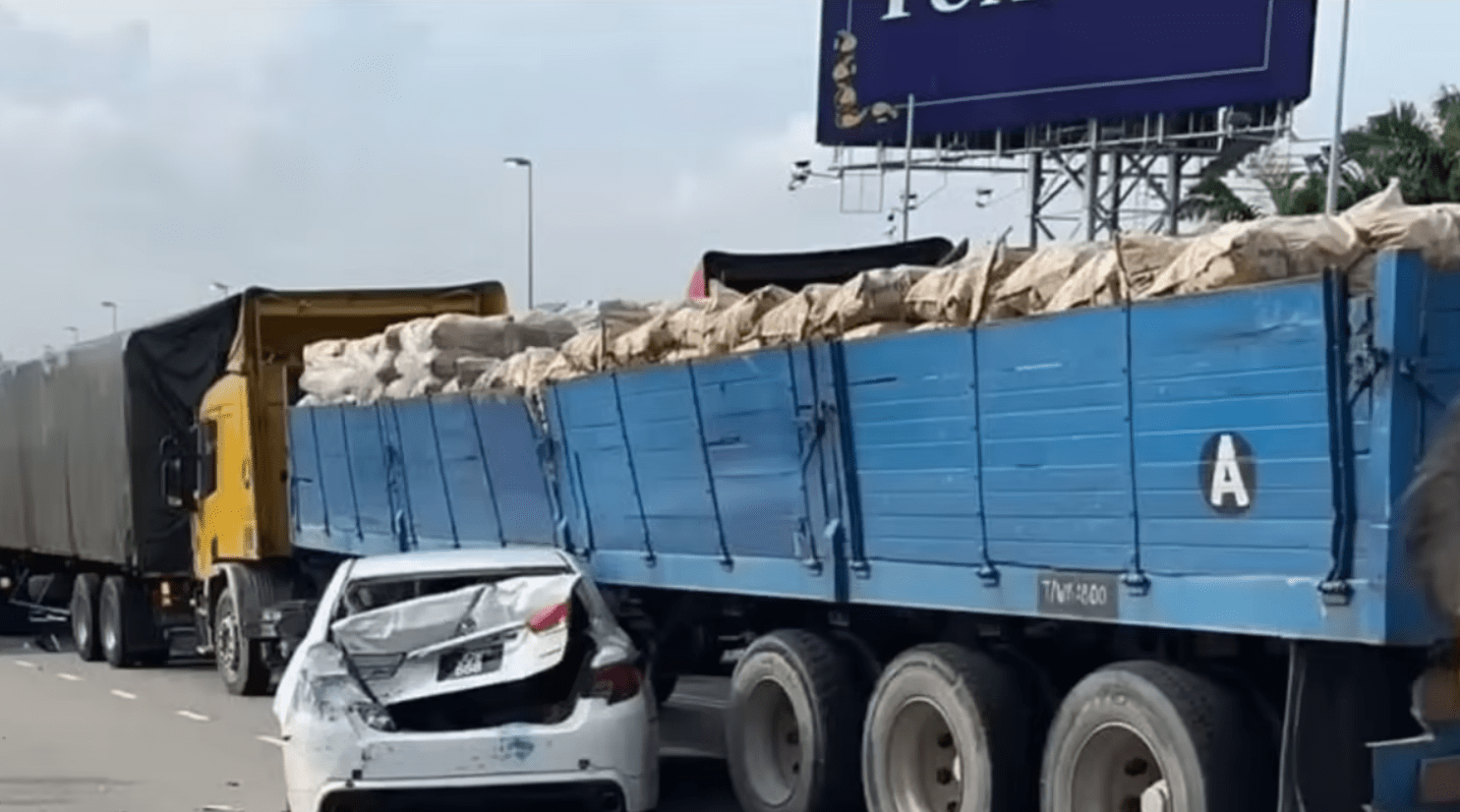
Cargo accidents in highways refer to mishaps involving commercial vehicles transporting goods on major roadways. These accidents often occur due to a combination of factors, including human error, mechanical failures, adverse weather conditions, and inadequate infrastructure. Understanding the key causes can help in formulating effective preventive measures.
Human Error: A Leading Cause
Human error remains one of the primary factors contributing to cargo accidents in highways. Fatigue, distracted driving, speeding, and impaired driving are some common human-related causes. When drivers are tired, distracted, or under the influence of substances, their ability to react to changing road conditions diminishes, increasing the likelihood of accidents.
Mechanical Failures: Technical Challenges
Mechanical failures in commercial vehicles pose significant risks on highways. Faulty brakes, tire blowouts, engine malfunctions, and transmission issues can result in sudden loss of control and accidents. Regular maintenance, inspections, and timely repairs are crucial in preventing such failures.
Adverse Weather Conditions: Nature's Challenge
Unfavorable weather conditions, such as heavy rain, snow, fog, or strong winds, create hazardous driving conditions. Reduced visibility, slippery roads, and decreased vehicle traction make it challenging for drivers to maintain control over their vehicles. Staying informed about weather forecasts and adapting driving habits accordingly can help minimize accidents in adverse weather.
Inadequate Infrastructure: Roadway Hazards
Poorly designed or maintained highways can contribute to cargo accidents. Lack of signage, inadequate lighting, narrow lanes, and inadequate barriers increase the risk of collisions and accidents. Governments and relevant authorities should prioritize infrastructure improvements to ensure safer highways.
Consequences of Cargo Accidents in Highways
Cargo accidents in highways have far-reaching consequences that extend beyond the immediate incident. These consequences impact individuals, businesses, and the overall community, necessitating effective accident prevention strategies.
Loss of Lives and Injuries: Human Tragedy
Cargo accidents often result in the loss of lives or severe injuries to drivers, passengers, and bystanders. These tragic outcomes have a profound emotional and social impact on families and communities. Proper training, awareness campaigns, and strict adherence to traffic regulations can help mitigate such incidents.
Property Damage and Economic Losses
Cargo accidents frequently cause significant property damage, including damage to vehicles, cargo, and public infrastructure. Repair costs, insurance claims, and the disruption of business operations can lead to substantial economic losses. Stringent safety protocols and robust insurance coverage can provide some level of protection against these financial setbacks.
Traffic Congestion and Delays
Cargo accidents in highways can result in traffic congestion and long delays, affecting not only the immediate accident area but also adjacent routes. Traffic disruptions have a cascading effect, leading to lost productivity, increased fuel consumption, and inconvenience to commuters. Efficient accident response and clear communication with motorists can help minimize traffic congestion and restore normalcy swiftly.
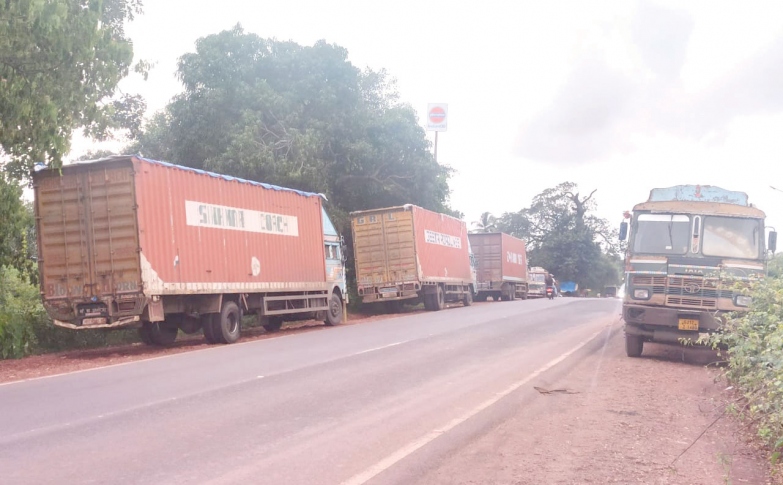
These FAQs provide insights into some of the key aspects surrounding cargo accidents in highways. By addressing these concerns and implementing effective preventive measures, we can strive to minimize the occurrence of such accidents and ensure safer transportation of goods on our highways.
Conclusion
Cargo accidents in highways pose significant challenges to the safety and efficiency of transportation systems. By understanding the causes and consequences of these accidents, we can work towards implementing preventive measures that safeguard both lives and cargo. Through driver education, improved maintenance practices, and regulatory compliance, we can reduce the occurrence of accidents on our highways. By prioritizing safety and adopting proactive measures, we can pave the way for a future where cargo transportation is not only efficient but also safe for everyone involved.
Frequently Asked Questions
What actually causes most cargo truck accidents on California highways like the I-5 or Highway 99?
Most cargo truck accidents on California highways are caused by a combination of driver fatigue, improper load securement, and mechanical failures — particularly brake and tire failures. Under California Vehicle Code Section 24002, commercial vehicles must be maintained in safe operating condition, and violations of Federal Motor Carrier Safety Administration (FMCSA) Hours of Service rules — which limit drivers to 11 hours of driving within a 14-hour window — are frequently cited in crash investigations. California's high-volume freight corridors like I-5 through the Central Valley and Highway 99 see disproportionate numbers of these incidents due to long haul distances and limited rest stops. If a cargo truck injured you, the driver's logbook, electronic logging device (ELD) data, and vehicle inspection records are critical pieces of evidence your attorney should demand immediately.
How long do I have to file a lawsuit after being hurt in a cargo truck accident in California?
In California, you generally have two years from the date of the accident to file a personal injury lawsuit against a private trucking company or driver, under California Code of Civil Procedure Section 335.1. However, if a government entity — such as Caltrans — contributed to the accident through poorly maintained roads or missing signage, you must file a government tort claim within just six months of the incident under the California Government Claims Act (Government Code Section 911.2). Missing either deadline almost always bars you from recovering any compensation, no matter how serious your injuries. Contact a California personal injury attorney as soon as possible so that evidence is preserved and these strict deadlines are not missed.
Who can be held liable for a cargo spill accident on a California freeway — just the truck driver, or others too?
Liability in a California cargo spill accident can extend well beyond the driver and may include the trucking company, the cargo loading company, the freight broker, and even the vehicle manufacturer if a mechanical defect contributed to the spill. Under California Labor Code Section 2750.5 and FMCSA regulations (49 CFR Part 390), motor carriers bear direct responsibility for ensuring loads are properly secured and their drivers are qualified and compliant. California also follows a pure comparative fault system under Civil Code Section 1431.2, meaning multiple parties can share liability in proportion to their negligence — so even if the driver was at fault, you can still pursue the company that negligently loaded the cargo. An experienced attorney will investigate all potentially liable parties to maximize your recovery.
What kind of compensation can a victim realistically recover after a serious cargo accident on a California highway?
Victims of serious cargo accidents in California can recover both economic and non-economic damages, including medical expenses, lost wages, loss of earning capacity, vehicle repair or replacement costs, and pain and suffering. California places no cap on non-economic damages in personal injury cases (unlike medical malpractice under MICRA), meaning severe injuries — such as spinal trauma or traumatic brain injuries common in large truck collisions — can yield substantial pain and suffering awards. In cases where the trucking company acted with conscious disregard for safety, California Civil Code Section 3294 allows for punitive damages on top of compensatory damages. Settlements in serious California commercial truck accident cases routinely reach six or seven figures, particularly when a major carrier's federal Hours of Service violations or falsified maintenance records are uncovered.
What are the biggest mistakes people make after a cargo truck accident in California that hurt their injury claim?
The most damaging mistakes California cargo accident victims make include: giving a recorded statement to the trucking company's insurance adjuster without legal counsel, waiting too long to seek medical treatment (which insurers use to argue your injuries were not serious), and failing to preserve evidence like dashcam footage, photographs of cargo debris, and witness contact information. Trucking companies are required under FMCSA regulations to retain driver logs, inspection reports, and black box data for varying periods — often as short as six months — so acting quickly to send a legal preservation letter is critical. In California, comparative fault rules under CCP Section 1431.2 mean insurers will aggressively look for any reason to shift blame onto you to reduce their payout. Consulting a California personal injury attorney within days of the accident significantly improves your ability to build a strong, evidence-backed claim.
Does California have specific rules about how cargo must be secured on commercial trucks, and can a violation help my case?
Yes — California Vehicle Code Section 23114 prohibits the spilling of cargo onto public roads, and California Code of Regulations Title 13 incorporates FMCSA cargo securement standards (49 CFR Part 393, Subpart I), which set detailed requirements for tie-downs, load weight limits, and securement by cargo type such as logs, steel coils, or vehicles. A violation of these standards is considered negligence per se under California law, meaning if a truck driver or company broke a cargo securement rule and that violation caused your accident, you do not need to separately prove that their conduct was unreasonable — the legal violation itself establishes fault. California Highway Patrol (CHP) commercial vehicle inspectors document these violations in post-crash reports, which become powerful evidence in personal injury litigation. Our attorneys at Mendez & Sanchez routinely use CHP inspection records, weigh station violation histories, and expert witness testimony to prove cargo securement negligence in court.