
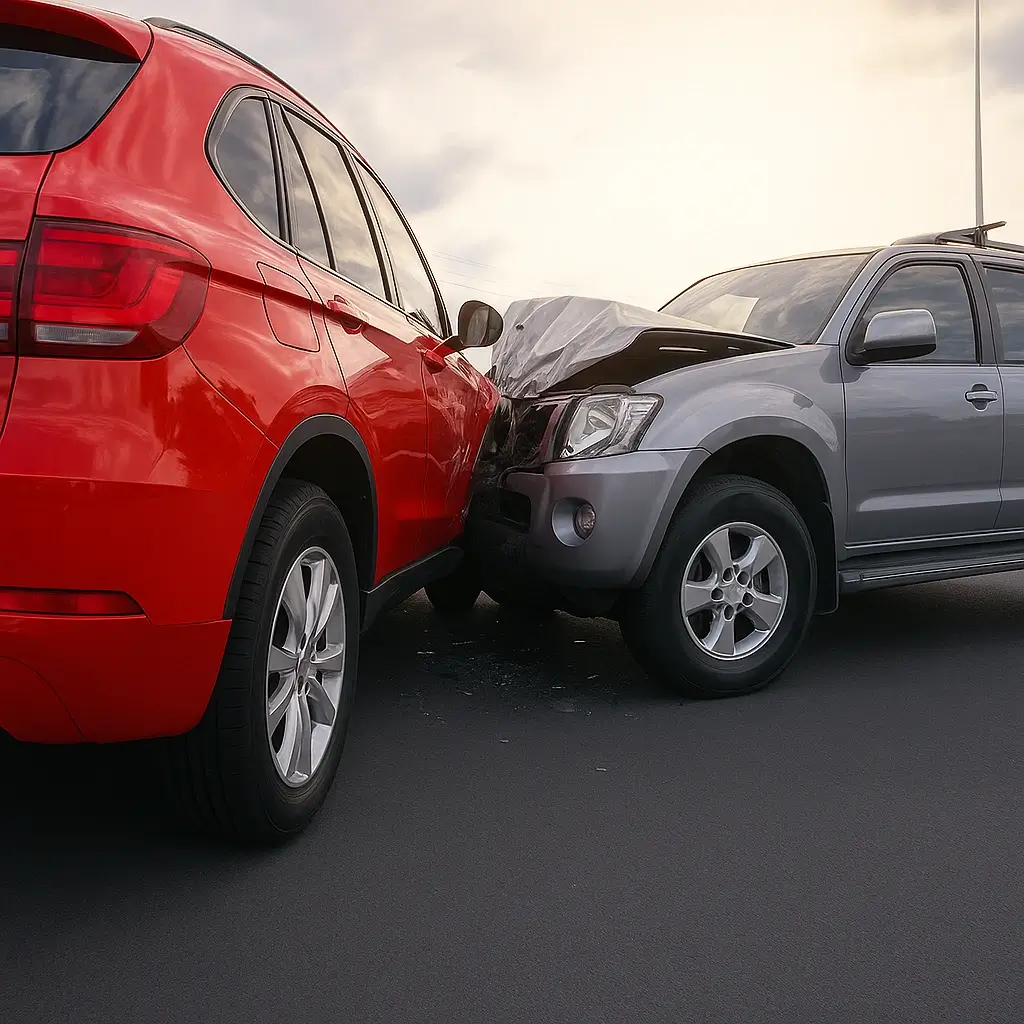
If an uninsured driver hit you in California, you are not left with nothing. California law gives you several ways to recover money for your medical bills, lost wages, and pain and suffering — even when the other driver carries zero insurance. The right path depends on your own auto policy, whether you can sue the driver directly, and how quickly you act.
Your Own Insurance May Cover This — Here Is How
California does not require drivers to carry uninsured motorist (UM) coverage, but most standard auto policies include it unless you specifically signed a waiver. If you have UM coverage, your own insurance company steps in and pays your damages up to your policy limit, just as if the at-fault driver had insurance. This is usually the fastest and most reliable path to compensation after an uninsured driver crash.
Your UM coverage can pay for:
- Emergency room bills and ongoing medical treatment
- Wages you lost while recovering
- Pain and suffering
- Future medical care if your injuries are serious
Check your policy declarations page or call your insurer right now to confirm whether UM coverage is on your policy. If you are not sure, an attorney can pull that information for you quickly.
Can You Sue an Uninsured Driver Directly?
Yes — and sometimes it is worth doing. California law allows you to file a personal injury lawsuit against any driver who caused an accident, insured or not. You have two years from the date of the crash to file under California's statute of limitations (Code of Civil Procedure § 335.1). Miss that deadline and your claim is gone.
The practical challenge with suing an uninsured driver is collecting on a judgment. Many uninsured drivers do not have significant assets. But that is not always true. Some uninsured drivers own property, have bank accounts, or earn regular income that can be garnished. Before writing off a lawsuit, it is worth having an attorney investigate the driver's financial situation. We do this as a standard part of evaluating your case.
There is also a California-specific rule to know: if you were found partially at fault, the state's pure comparative negligence system still lets you recover. Even if you were 30% responsible for the crash, you can collect 70% of your total damages.
What If You Were Hit by an Uninsured Driver Who Fled?
A hit-and-run by an uninsured or unknown driver is treated similarly under most UM policies. California Insurance Code § 11580.2 requires UM coverage to apply to hit-and-run crashes, provided you report the accident to law enforcement within 24 hours and cooperate with your insurer's investigation. If the driver is never identified, your UM coverage is still your primary source of compensation — which is exactly why carrying it matters.
What Happens to the Uninsured Driver?
California takes driving without insurance seriously. Under Vehicle Code § 16029, an uninsured driver faces fines starting at $100 for a first offense and up to $500 or more for repeat violations. More significantly, California operates a proof of financial responsibility system — an uninsured driver who causes an accident can have their license suspended and face a civil judgment that follows them for years.
You are not responsible for enforcing those penalties — that is the DMV's job. Your focus should be on getting compensated for what you lost.
Government Vehicles and Special Deadlines
If the uninsured driver was operating a government vehicle — a city bus, a county truck, a school district van — different rules apply. You must file a formal government claim within six months of the accident before you can sue. This deadline is much shorter than the standard two-year limit, and missing it almost always bars your claim entirely. If a government employee was involved, contact an attorney immediately.
Steps to Take Right Now
- Get the police report. Call 911 at the scene if you have not already. A police report documents that the other driver had no insurance and establishes fault.
- Photograph everything. Take pictures of both vehicles, the scene, road conditions, the other driver's license plate, and any visible injuries.
- Notify your own insurer. Report the crash to your insurance company promptly. California insurers can deny a UM claim if you wait too long to report.
- Get medical attention. Even if you feel okay, see a doctor the same day or the next morning. Injuries from car crashes — especially whiplash and soft tissue damage — often appear hours or days later. A gap in medical care gives insurers a reason to reduce what they pay.
- Do not accept a fast settlement. If your own insurer or anyone else offers you a quick check, do not sign anything until you know the full extent of your injuries. Once you settle, you cannot go back for more.
How Mendez & Sanchez Can Help You
Uninsured driver cases involve more moving parts than a standard accident claim — your own UM policy, possible litigation against the driver, coordination between your health insurance and auto insurance, and strict California deadlines. Getting it wrong costs you money you are owed.
Our attorneys have spent years working specifically on California car accident cases. We handle the insurer negotiations, gather the evidence, and fight for the full value of what you lost — not a quick lowball number. You pay nothing unless we recover for you. If you were hit by an uninsured driver, call us today. The sooner we start, the better your position.