
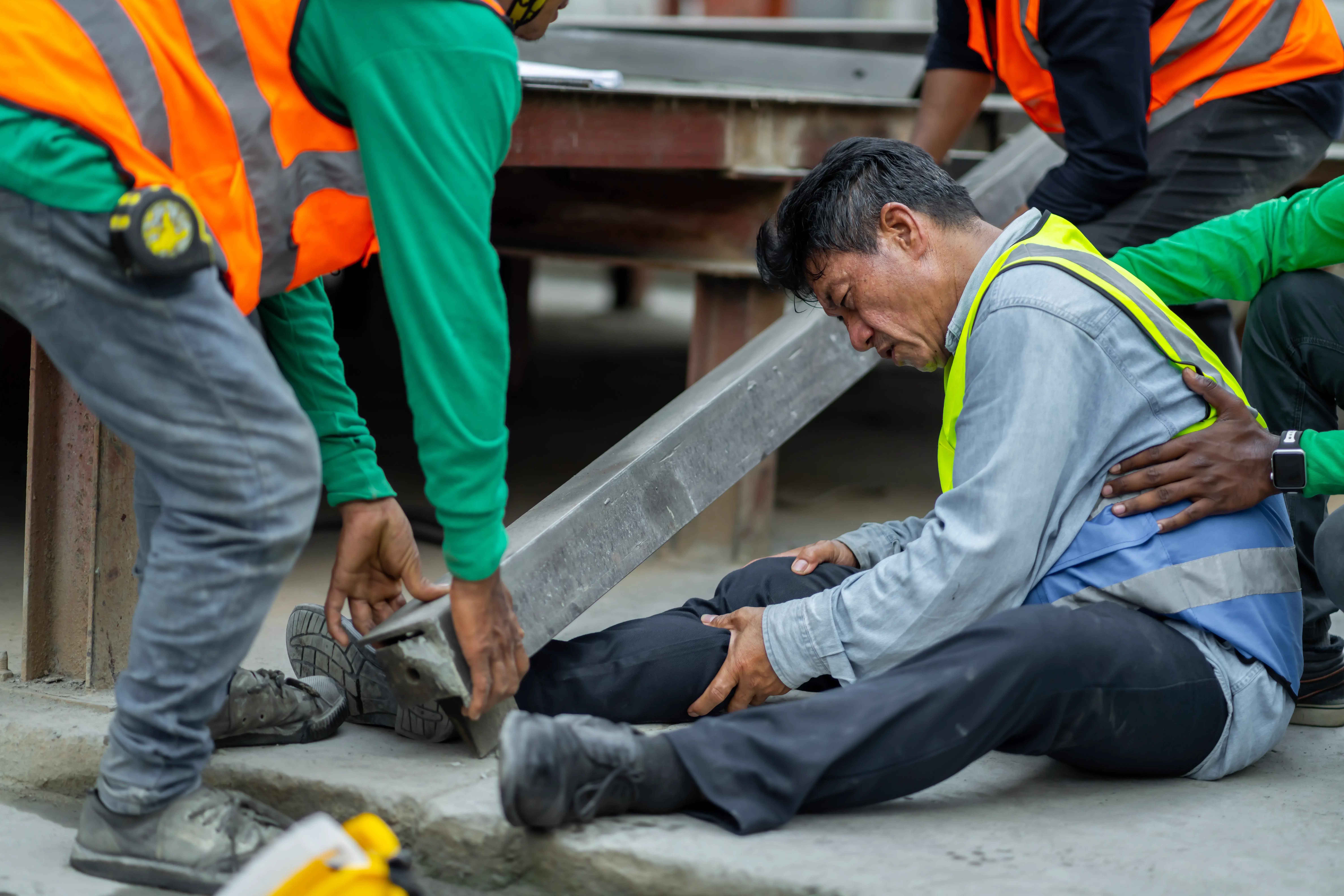
Construction sites are among the most dangerous workplaces in California and Nevada. Falls from scaffolding, machinery accidents, electrical injuries, and being struck by heavy equipment can leave workers with injuries that take months or years to recover from, if they recover fully at all. If you were hurt on a construction site, you likely have more legal options than you realize, and workers' compensation may be only one of them.
Who Can Be Held Responsible for a Construction Site Accident?
Construction sites involve multiple parties at once: general contractors, subcontractors, property owners, equipment manufacturers, and others. When an accident happens, more than one of them may share legal responsibility. Depending on the circumstances of your case, you may have claims against:
- The general contractor, who is responsible for overall site safety under California and federal OSHA regulations
- A subcontractor whose crew or equipment caused the hazard
- The property owner, if they knew about a dangerous condition and failed to address it
- An equipment manufacturer, if a defective tool or machine contributed to the accident
- A materials supplier, if faulty materials were involved
Identifying all responsible parties matters because it determines the total amount of compensation available to you. An attorney investigates who was on site, who controlled what, and who violated safety rules.
Workers' Comp vs. a Third-Party Lawsuit
If you were hurt while working, workers' compensation is usually your first option. It covers medical bills and a portion of your lost wages without requiring you to prove fault. But workers' comp has limits. It does not pay for pain and suffering, and it only replaces part of your wages.
If someone other than your direct employer caused or contributed to your injury, you may also be able to file a separate personal injury lawsuit against that party. These third-party claims can recover your full lost wages and compensation for pain and suffering, which workers' comp alone does not cover. Many construction accident victims are eligible for both at the same time.
Common Types of Construction Accidents We Handle
- Falls from heights. Scaffolding collapses, unsecured ladders, unprotected floor openings, and falls from roofs are among the most common and most severe construction injuries.
- Struck by objects. Falling tools, materials, or equipment can cause traumatic brain injuries, broken bones, and worse, especially on multi-story job sites.
- Electrocution and electrical burns. Contact with live wires, improperly grounded equipment, or unmarked electrical lines is a leading cause of construction fatalities.
- Caught-in and caught-between accidents. Clothing, limbs, or the whole body caught in machinery or between heavy equipment causes some of the most catastrophic construction injuries.
- Trench and excavation collapses. Unshored trenches and excavation walls can collapse without warning, burying workers under tons of soil.
- Toxic exposure. Asbestos, silica dust, lead, and chemical fumes on older or industrial job sites can cause serious long-term illness.
How OSHA Violations Strengthen Your Case
California has its own occupational safety authority (Cal/OSHA) with strict regulations that govern how construction sites must be maintained. When a contractor or employer violates those regulations, that violation is powerful evidence in a personal injury claim. Our attorneys review OSHA inspection records, site safety logs, and incident reports to document what rules were broken and who was responsible for enforcing them.
How Long Do You Have to File?
In California, the general statute of limitations for a personal injury lawsuit is two years from the date of injury. For a workers' comp claim, you must report the injury to your employer within 30 days and file the formal claim within one year. If a government entity was involved, the deadlines can be as short as six months. Do not wait to get legal advice. Evidence on construction sites disappears quickly, and delays can cost you your right to recover.
What If You Are an Undocumented Worker?
You have rights regardless of your immigration status. California law protects undocumented workers under workers' compensation, and you can still pursue a personal injury claim against responsible parties. Your immigration status cannot be used against you in a workers' comp case. Our firm handles cases in both English and Spanish, and all consultations are confidential.