
Legal Consequences of Distracted Driving
Whether you've been injured in an accident, are dealing with a personal injury claim, or facing another legal issue, Mendez & Sanchez APC is here to fight for you. Contact us today for a free, no-obligation consultation.
Call Us Now.jpg&w=3840&q=75)
Introduction
Distracted driving has become a major concern in recent years, posing a significant risk to road safety. Engaging in activities that divert attention from the primary task of driving can lead to accidents, injuries, and even fatalities. Recognizing the seriousness of this issue, governments around the world have implemented various laws and regulations to address distracted driving. In this blog, we will explore the legal consequences associated with distracted driving and highlight the importance of adhering to safe driving practice
Table of Contents
- Introduction
- What is a Distracted Driving
- The Role of Technology in Combating Distracted Driving
- Initiatives and Awareness Campaigns
- Legal Frameworks for Distracted Driving
- Personal Injury Claims and Insurance Considerations
- Conclusion
What is a Distracted Driving
Distracted driving refers to any activity that diverts a driver's attention away from the task of operating a vehicle having some consequences on the people involved at that moment generally having severe and considerable damage.
Common types of distractions
These distractions can be for example:
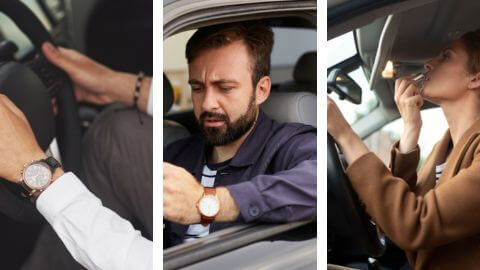
1. Visual: visual distractions take the driver's eyes off the road and lead to a different situation that goes from little accidents to wrongful death situations.
2. Manual: Manual distractions involve taking hands off the steering wheel that supposed to not happen since all the drivers must be responsible since they are in their vehicles.
3. Cognitive in nature: cognitive distractions impair the driver's mental focus for example if you start to think about some argument, you just had or you start to have some daydreaming or even if you become multitasking behind the wheel it could lead you to severe consequences.
The Role of Technology in Combating Distracted Driving
Recognizing the pervasive nature of distracted driving, many jurisdictions have enacted laws specifically targeting the use of electronic devices while driving. These laws typically prohibit texting, talking on the phone without a hands-free device, and other activities that require drivers to take their hands off the steering wheel or their eyes off the road.
Distracted driving prevention technologies
Moreover, technological advancements have played a significant role in combating distracted driving. Various devices and applications have been developed to prevent or minimize distractions while driving, these include :
1. hands-free calling systems
2. voice-activated commands
3. Smartphone apps that can disable certain functions while the vehicle is in motion
Initiatives and Awareness Campaigns
Governments, law enforcement agencies, and advocacy groups have launched numerous initiatives and awareness campaigns to combat distracted driving. These efforts aim to educate the public about the dangers of distracted driving and promote responsible behavior on the road. They often include public service announcements, educational programs in schools, and targeted advertising campaigns to raise awareness about the potential consequences of distracted driving.
Educational programs and campaigns
To prevent accidents caused by distracted drivers, educational programs and campaigns can play a crucial role in raising awareness and promoting safe driving habits. Here are some educational initiatives that can be implemented:
- Public Awareness Campaigns: Develop comprehensive campaigns targeting various media platforms (television, radio, social media, billboards) to educate the public about the dangers of distracted driving. Use impactful messages, real-life stories, and statistics to emphasize the risks and consequences.
- School-Based Programs: Collaborate with schools to introduce educational programs on distracted driving. Offer interactive workshops, presentations, and discussions to educate students about the dangers and consequences. Encourage them to take a pledge to avoid distractions while driving.
- Driver's Education Programs: Enhance driver's education curricula to include dedicated modules on distracted driving. Provide comprehensive information about the different types of distractions, their impact on driving performance, and strategies to minimize distractions. Include practical exercises and simulations to demonstrate the dangers firsthand.
- Community Outreach: Engage with local communities through events, workshops, and seminars. Partner with local law enforcement agencies, civic organizations, and businesses to spread the message about the importance of focused driving. Offer resources, such as brochures, flyers, and infographics, that highlight the risks and provide tips for staying focused on the road.
- Mobile Applications and Technology: Develop smartphone applications that can be used to raise awareness and provide tools for minimizing distractions while driving. These apps can include features like automatic do-not-disturb mode, voice-activated controls, and educational resources accessible on the go.
Protecting Yourself and Others
To minimize the risk of distracted driving accidents, it is crucial for all drivers to adopt safe driving practices. This includes refraining from using electronic devices while driving, keeping both hands on the steering wheel, and maintaining focus on the road at all times. Additionally, drivers should encourage their passengers to avoid activities that may distract the driver and contribute to unsafe conditions on the road.
Legal Frameworks for Distracted Driving
To address the issue of distracted driving, governments have implemented specific laws and regulations. These laws vary across jurisdictions but generally prohibit activities that contribute to driver distraction. They often specifically target the use of electronic devices while driving, as this has become a prevalent and dangerous distraction. Violating these laws can result in fines, penalties, and other legal consequences.
.jpg)
Consequences of Distracted Driving
Increases the risk of accidents
Distracted driving significantly increases the risk of accidents and injuries on the road. When drivers take their attention away from the task of driving, their reaction times become slower, and their ability to make informed decisions diminishes. This can lead to collisions, property damage, severe injuries, and even fatalities.
Legal Repercussions
In addition to the physical consequences, distracted drivers may also face legal repercussions. If a distracted driver causes an accident resulting in injuries or property damage, they can be held civilly liable for the damages. This means they may be required to compensate the victims for medical expenses, lost wages, and pain and suffering.
Criminal Charges
In more severe cases, where the driver's distraction was particularly egregious or resulted in a serious accident, criminal charges may be filed. These charges can range from misdemeanors to felonies, depending on the jurisdiction and the specific circumstances of the case. If convicted, the driver may face fines, probation, license suspension, or even imprisonment.
Personal Injury Claims and Insurance Considerations
Seeking Compensation for damages in distracted driving cases
In the event of a distracted driving accident, victims may pursue personal injury claims against the at-fault driver. These claims seek compensation for medical expenses, property damage, lost wages, and other damages resulting from the accident. It is important for victims to consult and understand their rights and navigate the legal process effectively.
Every legal case is unique, and it is crucial to consult with a qualified attorney to receive personalized advice based on your specific circumstances since they can help you with:
- Gather Evidence: Collect as much evidence as possible to support your claim. This includes photographs of the accident scene, any visible injuries, and property damage. Obtain copies of the police report, medical records, and any other relevant documents. Eyewitness testimonies and video footage, if available, can also be valuable evidence.
- Document the Incident: Keep a detailed record of the accident. Write down the date, time, and location of the incident, as well as the weather and road conditions. Note any statements made by the distracted driver or witnesses. Record your injuries, medical treatments, and any expenses incurred as a result of the accident.
- Report the Accident: Notify your insurance company about the accident promptly. Provide them with accurate and detailed information. However, it is advisable to consult with your attorney before making any statements to the insurance company of the distracted driver involved.
- Preserve Evidence: Preserve any physical evidence related to the accident, such as damaged vehicles or personal belongings. If possible, take photographs or videos of the evidence before repairs are made or items are discarded.
- Consult with Medical Professionals: Seek medical attention immediately, even if you believe your injuries are minor. Follow your healthcare provider's instructions and attend all recommended appointments. This documentation will strengthen your case and ensure your injuries are properly treated.
- Maintain Communication: Stay in touch with your attorney throughout the legal process. They will handle communication with the insurance companies and any legal proceedings on your behalf. Provide your attorney with updates regarding your medical treatment, expenses, and any new developments related to the accident.
- Settlement Negotiations: Your attorney will guide you through the negotiation process with the insurance company or the responsible party's legal representation. They will advocate for fair compensation based on the extent of your injuries, medical expenses, property damage, lost wages, and other relevant factors.
.jpg)
Impact on insurance rates and coverage
Furthermore, distracted driving incidents can have implications for insurance coverage and rates. Insurance companies may view distracted driving convictions or accidents as indicators of increased risk. This can result in higher insurance premiums or, in some cases, denial of coverage altogether.
Conclusion
Distracted driving poses serious risks to the safety of drivers, passengers, and pedestrians. Understanding the legal consequences associated with distracted driving is essential to promote responsible behavior on the road. By adhering to safe driving practices and avoiding distractions, we can help create a safer and more secure environment for everyone.
Here at Mendez and Sanchez understand the physical and emotional consequences you may face after an accident. Our compassionate personal injury lawyers are here to provide the support you need during this difficult time. From guiding you through the legal process to connecting you with trusted medical professionals, we'll ensure you receive comprehensive care. Let us fight for your rights while you focus on healing. Reach out to us today for personalized assistance.
Credits: Main Image by Freepik
Frequently Asked Questions
What actually counts as distracted driving under California law, and does it only apply to phone use?
California law addresses distracted driving through several statutes, but the most commonly enforced is California Vehicle Code Section 23123, which prohibits handheld cell phone use while driving, and CVC Section 23123.5, which specifically bans reading, writing, or sending text-based messages. However, distracted driving is broader than phone use — visual distractions (looking away from the road), manual distractions (taking hands off the wheel), and cognitive distractions (mental inattention) can all form the basis of negligence in a California personal injury claim, even if no phone was involved. If a distracted driver injures you, their behavior doesn't need to violate a specific statute to be considered negligent under California's reasonable care standard.
How much is the fine for distracted driving in California, and does it go on my record?
A first-offense handheld cell phone violation in California starts at a base fine of $20 under CVC 23123, but once mandatory state and county penalty assessments are added, the total typically reaches $150 to $162 for a first offense and $260 or more for subsequent violations. As of July 1, 2021, California also added a violation point to your DMV record for a second distracted driving offense within 36 months of a prior conviction under the same statute. Accumulating too many points can trigger a negligent operator designation by the DMV, which can lead to license suspension — and in a civil lawsuit, that DMV record can be used as evidence of a pattern of unsafe driving.
Is it actually legal to use a hands-free device or GPS while driving in California?
Yes, California law under CVC Section 23123 permits the use of a hands-free Bluetooth or speakerphone system while driving, provided the device is not held in your hand. Drivers are also allowed to use GPS navigation apps, but only if the phone is mounted on the windshield or dashboard in a manner that doesn't obstruct the view of the road, as outlined in CVC Section 26708. Drivers under 18 are held to a stricter standard — California's minor driver law under CVC Section 23124 prohibits all wireless device use, including hands-free, regardless of the situation.
If a distracted driver hit me in California, how long do I have to file a lawsuit against them?
In most California car accident cases involving a distracted driver, you have two years from the date of the accident to file a personal injury lawsuit under the statute of limitations established by California Code of Civil Procedure Section 335.1. If the distracted driver was a government employee operating a government vehicle — for example, a city bus driver or county worker — you must file a government tort claim within just six months of the incident before you can sue, under California Government Code Section 911.2. Missing either of these deadlines almost always results in losing your right to compensation entirely, which is why contacting a California personal injury attorney as soon as possible after the accident is critical.
Can I sue a distracted driver for more than just my medical bills in California?
Absolutely — under California personal injury law, victims of distracted driving accidents can pursue both economic and non-economic damages, which go well beyond medical bills. Economic damages include lost wages, future medical treatment, property damage, and rehabilitation costs, while non-economic damages cover pain and suffering, emotional distress, and loss of enjoyment of life, which California courts calculate based on the severity and permanence of your injuries. In cases where the distracted driver's behavior was especially reckless — such as texting at high speed in a school zone — California Civil Code Section 3294 may allow a jury to award punitive damages on top of compensatory damages, which are designed to punish the defendant and deter similar conduct.