
Government Vehicle Accidents: Unique Challenges in Personal Injury Cases
Whether you've been injured in an accident, are dealing with a personal injury claim, or facing another legal issue, Mendez & Sanchez APC is here to fight for you. Contact us today for a free, no-obligation consultation.
Call Us Now
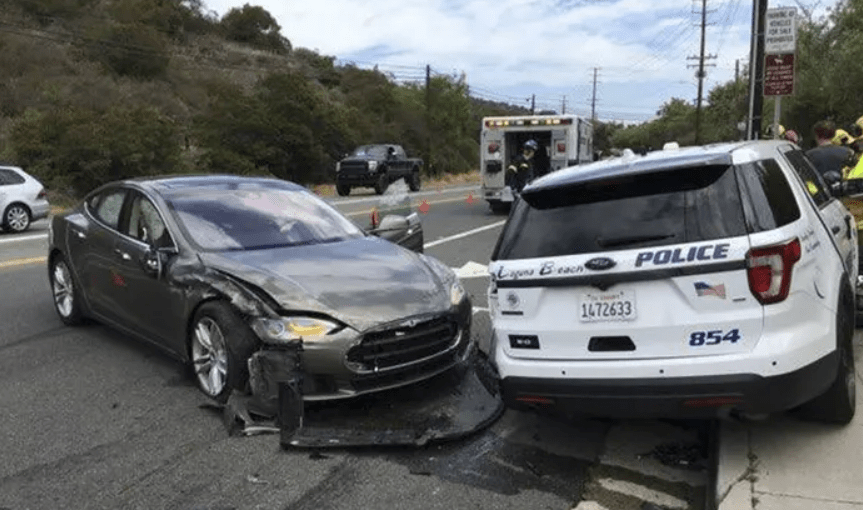
Car accidents involving government vehicles, such as police cars, fire trucks, or other government-owned vehicles, present unique challenges in personal injury cases. These accidents can occur during emergency responses, routine patrols, or other official duties, and can result in serious injuries to other drivers, passengers, or pedestrians. If you have been involved in a car accident involving a government vehicle, it's crucial to understand the specific legal considerations and challenges that may arise in your personal injury case.
In this detailed article, we will explore the unique challenges in personal injury cases for car accidents involving government vehicles. We will discuss the potential liability of government entities, the special rules and procedures that apply, and the steps you need to take to protect your rights and seek fair compensation for your injuries.
Liability of Government Entities
One of the primary challenges in personal injury cases involving government vehicles is determining the liability of government entities. In many cases, government entities enjoy certain protections and immunities that can limit their liability and make it more challenging for injured parties to seek compensation.
In general, government entities are immune from liability for actions taken by their employees in the course of their official duties, known as sovereign immunity. However, this immunity may be waived in certain circumstances, such as when the government vehicle was being operated in a negligent or reckless manner. Determining whether sovereign immunity applies and whether it has been waived can be complex and requires a thorough understanding of the applicable laws and regulations.
Moreover, government entities may also be shielded from liability under the doctrine of discretionary immunity, which protects them from liability for discretionary decisions made by their employees in the performance of their duties. This can further complicate the process of establishing liability in personal injury cases involving government vehicles.
Special Rules and Procedures
In addition to potential immunity, personal injury cases involving government vehicles may be subject to special rules and procedures that differ from standard car accident cases. For example, there may be shorter deadlines for filing a claim or lawsuit against a government entity, and failure to comply with these deadlines can result in losing the right to pursue compensation.
Furthermore, government entities may have specific notice requirements that injured parties must comply with, such as providing written notice of the claim within a certain timeframe. Failure to adhere to these notice requirements can also result in losing the right to seek compensation.
Moreover, government vehicles may be subject to different regulations and standards compared to private vehicles. For example, police cars or fire trucks may have special exemptions from certain traffic laws or may be allowed to operate in a manner that would be considered negligent for private vehicles. Understanding these unique regulations and standards is critical in personal injury cases involving government vehicles, as they may impact the determination of liability and the amount of compensation that can be sought.
Steps to Protect Your Rights
If you have been injured in a car accident involving a government vehicle, it's essential to take certain steps to protect your rights and increase your chances of obtaining fair compensation. These steps may include:
- Seek Medical Attention: Your health and well-being should be your top priority. Seek prompt medical attention for your injuries, and keep records of all medical treatment received.
- Document Evidence: Collect as much evidence as possible from the accident scene, including photos, videos, witness statements, and any available data from the government vehicle, such as dashcam footage or event data recorders.
- Follow Special Notice Requirements: Be aware of any special notice requirements that may apply to government entities, and ensure that you comply with them within the specified timeframe.
- Consult with an Experienced Personal Injury Lawyer: Personal injury cases involving government

In conclusion, car accidents involving government vehicles present unique challenges in personal injury cases. Determining the liability of government entities, navigating special rules and procedures, and protecting your rights require careful consideration and legal expertise.
It's crucial to understand that government entities may enjoy immunity from liability, and determining whether sovereign immunity applies or has been waived can be complex. Additionally, discretionary immunity may also shield government entities from liability for discretionary decisions made by their employees. These immunity protections can make it more challenging for injured parties to seek compensation for their injuries.
Moreover, personal injury cases involving government vehicles may be subject to special rules and procedures, including shorter deadlines for filing claims or lawsuits, and specific notice requirements that must be complied with. Failure to comply with these requirements can result in losing the right to seek compensation. Additionally, government vehicles may be subject to different regulations and standards compared to private vehicles, and understanding these unique regulations is crucial in determining liability and seeking compensation.
To protect your rights and increase your chances of obtaining fair compensation in personal injury cases involving government vehicles, it's essential to take certain steps. Seeking prompt medical attention for your injuries, documenting evidence from the accident scene, following any special notice requirements, and consulting with an experienced personal injury lawyer can all be crucial in building a strong case.
An experienced personal injury lawyer can provide you with valuable guidance throughout the legal process. They can help you understand your rights, determine the liability of government entities, navigate special rules and procedures, and advocate for your best interests. They can also negotiate with insurance companies on your behalf and represent you in court if necessary.
If you have been involved in a car accident involving a government vehicle, it's crucial to be aware of the unique challenges that may arise in your personal injury case. Understanding the potential liability of government entities, navigating special rules and procedures, and taking steps to protect your rights are all critical in seeking fair compensation for your injuries. Consulting with an experienced personal injury lawyer can be invaluable in ensuring that your rights are protected and that you receive the compensation you deserve.
Frequently Asked Questions
How long do I have to file a claim after being hit by a government vehicle in California?
In California, you must file a government tort claim with the responsible agency within just 6 months of the date of your accident, as required by the California Government Claims Act (Government Code Section 911.2) — this is far shorter than the standard 2-year statute of limitations under CCP 335.1 that applies to private vehicle accidents. If you miss this 6-month window, you will almost certainly lose your right to seek any compensation, regardless of how serious your injuries are. Acting quickly and consulting a personal injury attorney as soon as possible after the accident is critical.
What is sovereign immunity and does it mean I can't sue the city if a police car hit me?
Sovereign immunity is a legal doctrine that historically protected government entities from being sued without their consent, but California has significantly watered this down through the California Tort Claims Act (Government Code Section 810 et seq.), which allows injured people to sue government agencies under many circumstances. If a police officer or other government employee was driving negligently — for example, running a red light during a non-emergency situation — the city or county can be held liable for your injuries. However, if the officer was making a discretionary emergency decision, certain immunities under Government Code Section 820.2 may still apply, which is why having an experienced attorney evaluate your specific facts is so important.
Can I still get compensation if I was hit by a fire truck responding to an emergency?
Yes, you may still be entitled to compensation even if the fire truck was responding to an emergency, but the legal analysis is more complex than a standard car accident case. California Vehicle Code Section 21055 grants emergency vehicles exemptions from certain traffic laws only when they are using their sirens and lights, and even then, Government Code Section 17001 holds public agencies liable if their employee's negligent operation of a vehicle causes injury. If the driver was operating the fire truck recklessly or without due regard for public safety, the agency can still be found liable despite the emergency exemption.
What's the biggest mistake people make after getting into an accident with a government vehicle?
The single most costly mistake people make is missing California's 6-month government claims filing deadline under Government Code Section 911.2, often because they assume the 2-year personal injury statute of limitations under CCP 335.1 applies — it doesn't when a government entity is involved. Many injured people spend weeks recovering from their injuries, dealing with insurance, or simply not realizing a government vehicle was at fault until it's too late to file a valid claim. Consulting a personal injury attorney within the first few weeks of your accident ensures you don't inadvertently forfeit your right to compensation.
How much money can I realistically recover from a government vehicle accident claim in California?
The compensation available in a California government vehicle accident claim can include medical expenses, lost wages, pain and suffering, and property damage — similar categories to a standard personal injury claim — but there is no blanket cap on damages for most vehicle negligence claims against public entities under Government Code Section 17001. However, if your claim involves a public employee's discretionary act, portions of your claim may be limited or barred by immunity provisions. Settlements and verdicts vary widely depending on injury severity, liability clarity, and the specific agency involved, so speaking with an attorney who handles government claims in your county is the best way to get a realistic estimate of what your case may be worth.
Does a dashcam or police bodycam video count as evidence in a government vehicle accident case and how do I get it?
Yes, dashcam footage, bodycam video, and event data recorder information from a government vehicle can be powerful evidence in your personal injury case, and California Public Records Act (Government Code Section 7920.000 et seq.) gives you the right to request these records from the agency. You should submit a formal public records request as soon as possible because footage is often overwritten or deleted within days or weeks following an incident. An experienced personal injury attorney can also send a litigation hold letter to the agency demanding preservation of all electronic evidence before it is destroyed.
If a city bus ran a red light and hit my car, is the city automatically responsible or do I have to prove negligence?
You do still need to establish negligence — the city is not automatically liable just because a government vehicle was involved — but California Government Code Section 17001 establishes that a public entity is liable for injuries caused by the negligent operation of a motor vehicle by its employee acting within the scope of employment. Running a red light is a violation of California Vehicle Code Section 21453 and is strong evidence of negligence that can be used to hold the city accountable. Gathering witness statements, traffic camera footage, and a police report immediately after the accident will help build a solid liability case against the transit agency.